
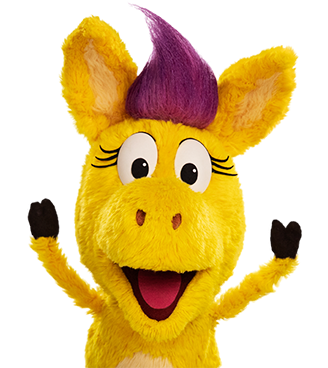
5 Ways to Help Kids Handle Disagreements With Friends


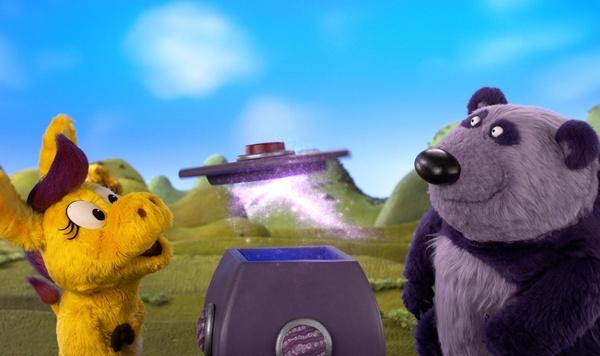
“Can two friends disagree?” asks Donkey in the “Donkey Hodie” episode, “Super Duper Magic Fun Box.”
We can’t escape conflict, even if we want to (and most of us probably do). Disagreements are a normal part of life for both kids and adults, but they don’t have to be a dealbreaker. According to Positive Psychology, disagreements in any kind of relationship — friendship included — can make the relationship stronger and encourage better understanding between two people.
To answer Donkey Hodie’s question about friendship: Yes, friends can disagree, and they often do! With guidance, your child can recognize that a disagreement doesn't have to mean the end of a friendship. You can increase your child’s confidence and capability to handle the ups and downs of friendships by helping them understand that conflict is normal, and by providing them with tools to handle disagreements when they arise.
1 Consider what friendship means — and what it doesn’t mean.
Talk with your child about what it looks and feels like to be a friend, and to have a friend. “Donkey Hodie” models that “a friend is someone who can say the way they feel” and “a friend is someone who listens, too.” Do these concepts ring true for your child?
It’s important that your child understands that there is much more to friendship than liking the same things. Good friends should care about each other, like each other, and be able to share their feelings with one another. Of course, it’s nice to share your favorite music, toys, and activities with your friends. But no one agrees on what they like all the time, and that’s OK.
As Grampy Hodie says, “Friends can like all different stuff. Can they still be friends? Well sure enough!”
2 Try a perspective shift on disagreements.
“Donkey Hodie” helps kids discover a hidden superpower when disagreements arise — they’re opportunities to understand our friends better. We can do this through listening and being curious about someone else’s feelings. The key here is active listening — listening to understand the other person instead of trying to prove you’re right.
The Early Childhood Development program at Michigan State University Extension suggests helping children form a “both/and” attitude during disagreements. Lots of situations don’t have just one right answer or solution. You can encourage your child to approach disagreements from this perspective.
Rather than jumping to “I’m right, so you’re wrong!” challenge your child to try saying “I like this toy/character/game, and it seems like you don’t. I wonder what you like?” This shift can help disagreements remain respectful, and teaches your child to be curious about a friend’s perspective.
Does the conflict need further resolution? Try these five strategies.
3 Explore why differences are important.
“What does a friend have to be? Do they have to be just like me and see the world the way I see?” asks Donkey Hodie. Donkey and Purple Panda learn from Grampy Hodie that best friends don’t have to like the same things.
You can take this concept a step further with your child and explore the ways that differences between friends can actually be great! Like Donkey and Panda, a disagreement with a friend might help your child learn something new about how others see the world. You can discuss with your child how different people’s perspectives, skills, and ideas make your community and our world stronger.
Creating space for your child to think and talk about the positive sides of having differences from others is a big step toward fostering inclusivity and helping your child learn to honor diversity.
4 Model healthy disagreement.
Our kids are learning how all kinds of relationships work. And they’re taking their cues from the important adults in their lives. One of the best ways we can support healthy friendships for our kids is to show them what healthy disagreement looks like in our own relationships.
Whether it’s struggling to agree with your partner on what to have for dinner, or an argument with your best friend about canceled plans, it isn’t always necessary to hide your own healthy conflict with the people you love. The most impactful lesson for your child will be seeing the way you react to disagreements by managing your feelings, listening to others, and working things out in a respectful way.
5 Start the conversation.
You don’t have to save conversations about conflict for times when your child is already experiencing a disagreement. It’s helpful and healthy to get a jump start on these conversations, so that when your child does have an argument with a friend, they already have the tools they need to manage the disagreement.
Here are some questions you can ask today to get the conversation started:
- What are some of your favorite things about your friends?
- Do you think friends have to like all of the same things?
- When someone you love disagrees with you, what does that feel like for you?
- What do you wish would happen when you and a friend have an argument?
- Is there anything good about disagreements?
- How might you be a good friend to someone even when you disagree?
 Author:
Here comes Donkey Hodie! With a hee and a haw, this little donkey can do big things.