

Why Coding Matters for Young Kids (and Why It’s Easier Than You Think)


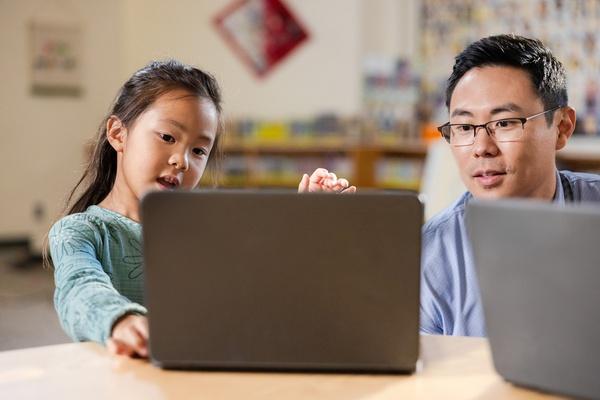
Have you ever wondered how your family’s favorite video games or apps are made? At first, coding might sound like something for teens or grown-ups, but it’s actually a simple and exciting way to support lifelong learning for young kids.
Coding is more than just learning how to work with computers — it’s a way to build essential skills like problem-solving, creativity, and resilience. In fact, research shows that kids who study computer science early on do better in other classes, too. Coding helps kids learn how to break down problems and find solutions — skills that are helpful in every area of life.
One of the most important lessons coding teaches is how to handle mistakes. Messing up can feel frustrating, especially for kids. But coding flips that mindset, turning mistakes into opportunities to learn. When kids code, mistakes aren’t failures — they’re clues. If something doesn’t work, it’s a chance to ask, “What could I try next?” This kind of trial-and-error learning process is the same one that helps scientists and engineers solve big problems. The sooner kids learn that mistakes are just stepping stones to success, the more confident and determined they’ll be in any challenge.
Coding is Fun (And Easier than You Think!)
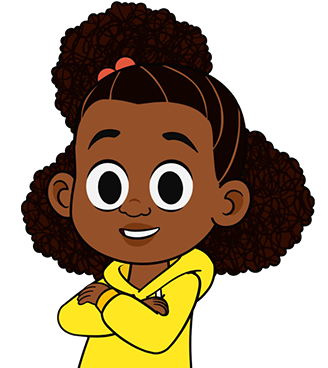
Starting to code at an early age doesn’t have to be complicated. PBS KIDS shows like “Lyla in the Loop” make the ideas behind coding simple and fun. Lyla and her trusty friend Stu tackle problems by thinking logically, breaking them down into steps, and trying out solutions. In the “Kibbles and Coins” episode, for example, Lyla accidentally drops Everett’s coin into a hard-to-reach place and tries to get it back before Everett comes home. She talks through different ideas with Stu and Luke — and then tests them out. When her ideas don’t work, she tries out what was working with new materials. This is similar to coding, where you often have to continuously test your code and improve it using the design process. The show reminds kids (and grown-ups!) that mistakes are a natural — and important — part of the learning process.
Playing games is another way to introduce kids to coding. One great (and free!) option is Lyla and Stu’s Snack Chase, where kids can explore coding concepts in a playful, low-pressure environment by dragging blocks into a workspace to create their own multiplayer game. Even parents can join the fun! (Educator materials are included on the PBS LearningMedia website.) Games like this build confidence and show kids that learning something new (like coding!) can be exciting and rewarding.
How to Get Started
Encouraging young children to start coding gives them tools to succeed in school and beyond. At its heart, coding is about curiosity and persistence — two things kids are naturally great at. Resources like “Lyla in the Loop” make it easy, and you can explore coding together in other ways, too:
Explore coding books together, like “My First Coding Book” or “How to Be a Coder”
Play with simple toy coding kits (many public libraries have these available to borrow)
Look for local coding clubs or workshops, like Code Ninjas, where kids can explore creating games with friends
By starting early, you’re helping your child gain skills that they’ll have for a lifetime. Who knows — you might just be inspiring the next great innovator!
 Author:
Lyla and Stu solve everyday problems in their city using coding skills in this preschool STEM series.