Wonder, Observe, Experiment: Building Science Skills with The Cat in the Hat


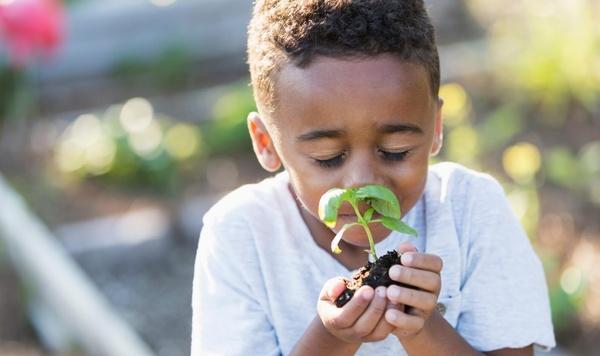
When Sally and Nick go on adventures with The Cat in the Hat, they get to practice three basic science skills: they wonder, they observe and they experiment. These habits are essential to the work of real scientists, and they build upon children’s natural desire to understand how the world works.
Wonder
Kids are naturally curious. A one-year-old child’s first question is usually: “What’s that?” (or simply “Dat?”). They want help naming their world — what they see, hear, taste, smell and feel. As they get older, they enter the “Why?” phase of questioning, a marvelous time that can sometimes test parents’ patience!
- Why can’t I drink water and breathe at the same time?
- Why do slugs make slime?
- Why is the sky blue?
- Why can’t I fly like a bird?
Join your children in wondering out loud. Model your curiosity of the natural world for them. When you are stumped by a question, perhaps the best response you can give is simply this: “What a good question. Let’s find out!”
Observe
When kids have a question about how something works, the first step to answering it is careful observation. Try using this phrase with children: “What do you notice?” What do you notice about the sky today? What do you notice about this tree? What do you notice about how that dog is behaving?
Careful observation can take time. Curious about the phases of the moon? Keep a moon journal and draw what it looks like each night for a month. Curious about spider webs? Spend 20 minutes watching a spider weave a new home. Go on walks and look for evidence of natural life: what creatures share your neighborhood or city block? Where do they live? What do they eat?
Cameras are a great tool for kid scientists and their parents. If you are curious about the name of a particular insect or bug, study it closely — its size, shape, and color — then snap a picture and use books or online resources to identify the creature.
Experiment
Kids are fascinated by cause and effect. That’s why toys with buttons and lift-the-flap books are so enticing. They provide an immediate response to the question: What will happen if . . . ? What will happen if I press this button? What will happen if I lift this flap?
Children’s instinct to experiment can sometimes seem like mischief. What will happen if I drop this egg on the floor? What will happen if I press this button on the washing machine? Sometimes you will need to redirect their curiosity for their own safety.
You can help nurture their instinct to experiment by modeling your own “What will happen if?” questions.
- What will happen if we mix paint colors together?
- What will happen if we pour water on this dirt and stir it around?
- What will happen if we drop food coloring into the whipped cream?
- What will happen if we add a paperclip to the paper airplane?
- What will happen if we drop this block into the bathtub: Will it sink or float?
Don’t be surprised if your child responds to your questions the same way you do to theirs: “Let’s find out!”
 Author: