In 1914, the Panama Canal connected the world’s two largest oceans. American ingenuity and innovation had succeeded where the French had failed disastrously, but the U.S. paid a price for victory.
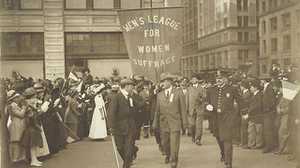
One hundred years after the passage of the 19th Amendment, The Vote tells the dramatic culmination story of the hard-fought campaign waged by American women for the right to vote, a transformative cultural and political movement that resulted in the largest expansion of voting rights in U.S. history.
Forever enshrined in myth by an assassin's bullet, Kennedy's presidency long defied objective appraisal. Part of the award-winning Presidents collection.
In 1931, two white women made a shocking accusation: they had been raped by nine black teenagers on a train. The trial of the nine falsely accused teens would draw North and South into their sharpest conflict since the Civil War.
On January 3, 1959, a column of victorious young rebels advanced along Cuba's main highway towards Havana. At the head of the column rode 33-year-old Fidel Castro Ruz.
Just days after the Civil War ended, President Abraham Lincoln was assassinated at Ford's Theatre. As a fractured nation mourned, a manhunt closed in on his assassin, the twenty-six-year-old actor, John Wilkes Booth.
Scottish emigrant and abolitionist Allan Pinkerton founded America's first detective agency and brought down some of the country's most ruthless criminals.
The Poison Squad tells the story of government chemist Dr. Harvey Wiley who, determined to banish these dangerous substances from dinner tables, took on the powerful food manufacturers and their allies.
Slow to speak, a deliberate thinker, Stanford was characterized by a plodding nature that repeatedly vexed his railroad partners. However, he relished public life, and it was in this capacity that he best served the Central Pacific.
The chief prosecutors for the trial of Nazi war criminals at Nuremberg came from four nations: The United States; The United Kingdom; The Soviet Union; and France.
President Woodrow Wilson led America during World War I, created the Federal Reserve, and helped create the League of Nations. Part of the award-winning collection The Presidents.
The underappreciated genius who laid the groundwork for the nation's modern economy — including the banking system, Wall Street, and an "opportunity society" in which talent and hard work, not birth, determined success.