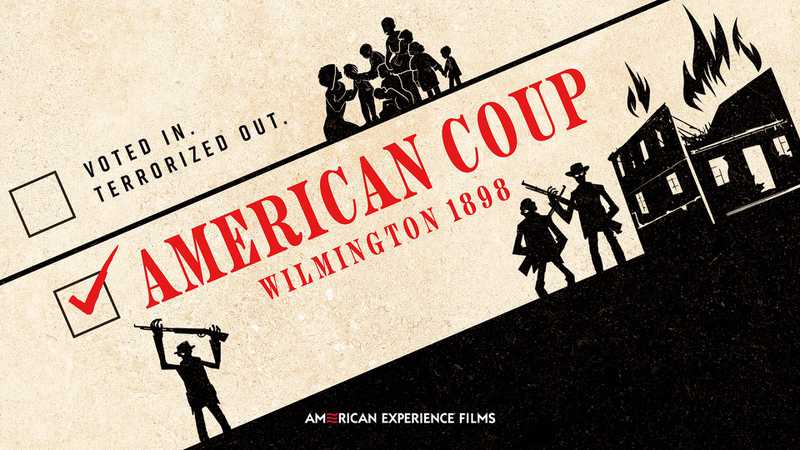
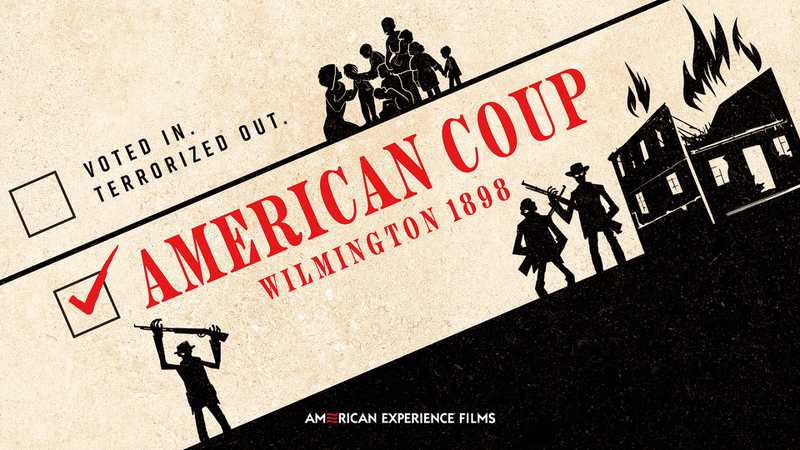
The little-known story of a deadly 1898 race massacre and coup d’état in Wilmington, North Carolina, when white supremacists overthrew the multi-racial government of state’s largest city through a campaign of violence and intimidation.
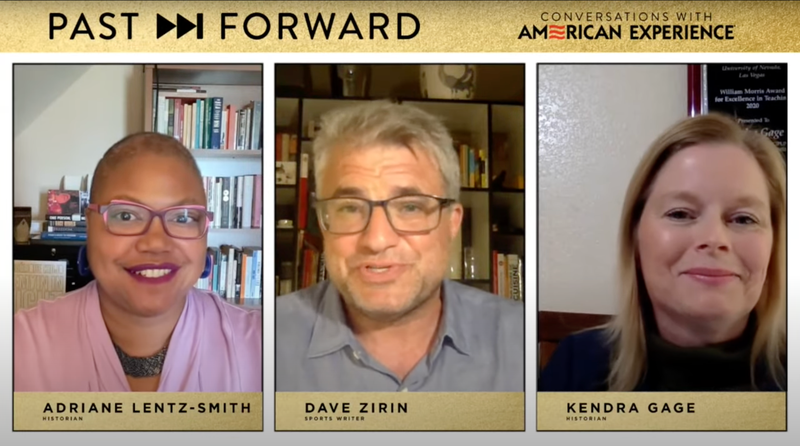
Sportswriter Dave Zirin and Assistant Professor Kendra Gage examine the political motives behind competing at and hosting the Olympics with historian Adriane Lentz-Smith.
LBJ exploited his mastery of the legislative process to shepherd a collection of progressive programs through Congress with astounding success, but his visions of a Great Society were swallowed up in the quagmire of Vietnam.
Cuando una ola de violencia se apoderó de barrios negros por todo Estados Unidos en el verano de 1967, el presidente Johnson nombró una comisión para encontrar la causa de los disturbios. Sus hallazgos ofrecieron una evaluación honesta de las relaciones raciales estadounidenses.
When Black neighborhoods across America erupted in violence in the summer of 1967, President Johnson appointed a commission to find the cause for the unrest. Their findings offered an unvarnished assessment of American race relations.
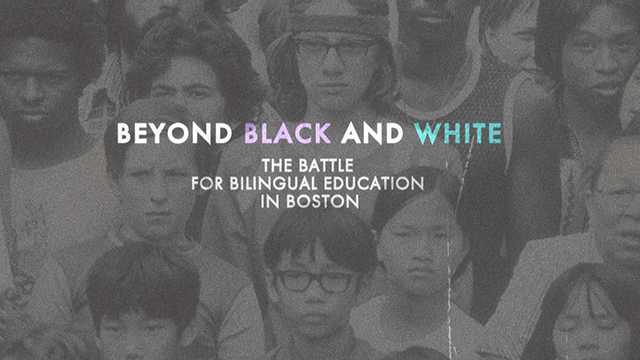
Most histories about the integration of Boston’s schools in the 1970s focus on the tension between the city’s Black and white residents—but there’s another narrative that goes beyond black and white. This is the little-known story of how Latino and Asian activists took on the education system, and won.
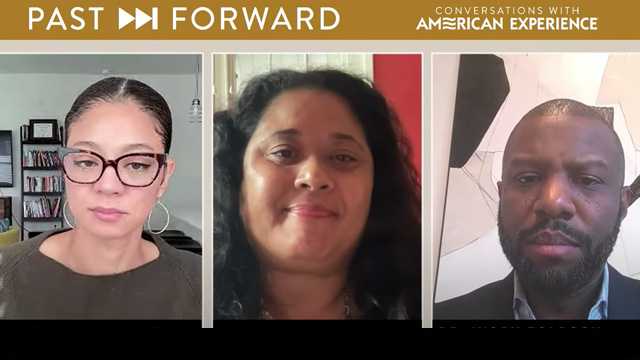
National director of Education Innovation and Research for the NAACP Dr. Ivory Toldson and executive director of the Education and Civil Rights Initiative Dr. Adrienne Dixson speak with professor of education leadership at Teachers College, Columbia University, Sonya Douglass about the state of educational equity in America nearly seventy years after Brown vs Board of Education.