After the worst act of domestic terrorism in the nation's history, Bill Clinton went to Oklahoma City to comfort the community and reassure the nation.
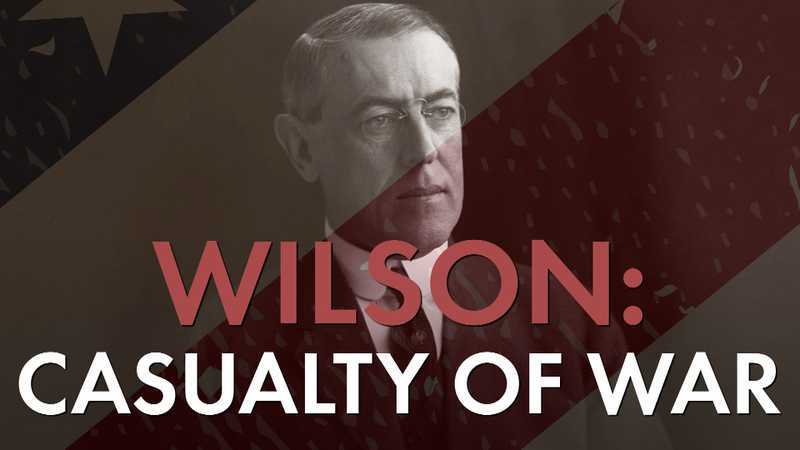
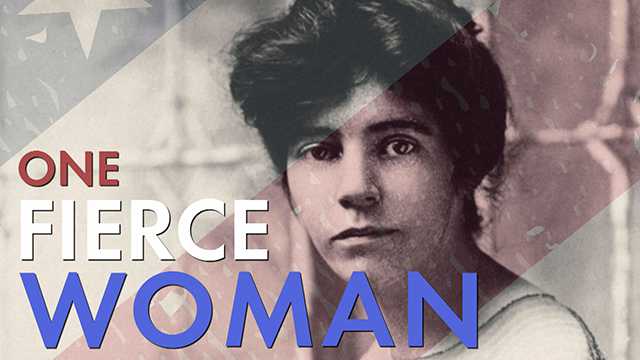
How could President Wilson call for democracy abroad while suppressing it at home? Filmmaker Amanda Pollak discusses the radical suffragist Alice Paul.
Engendering both admiration and scorn, FDR exerted unflinching leadership during the most tumultuous period in U.S. history since the Civil War and was the most vital figure in the nation during his 13 years in the White House.
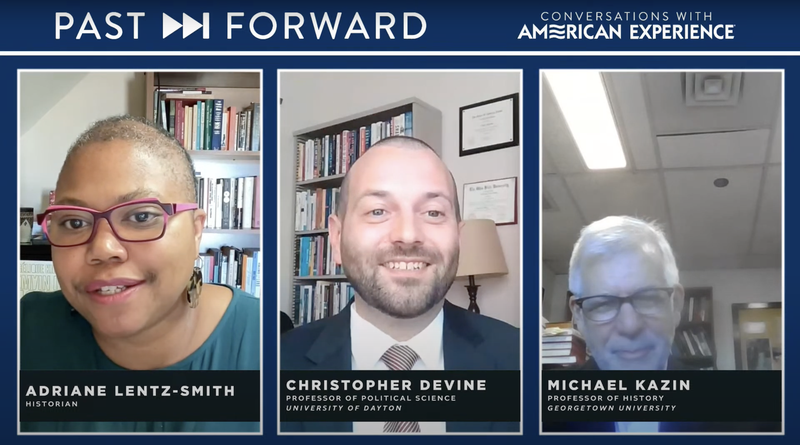
Historian Michael Kazin, political scientist Christopher Devine and historian Adriane Lentz-Smith explore how the choice of a vice presidential candidate can shape a presidential campaign and a presidency itself.
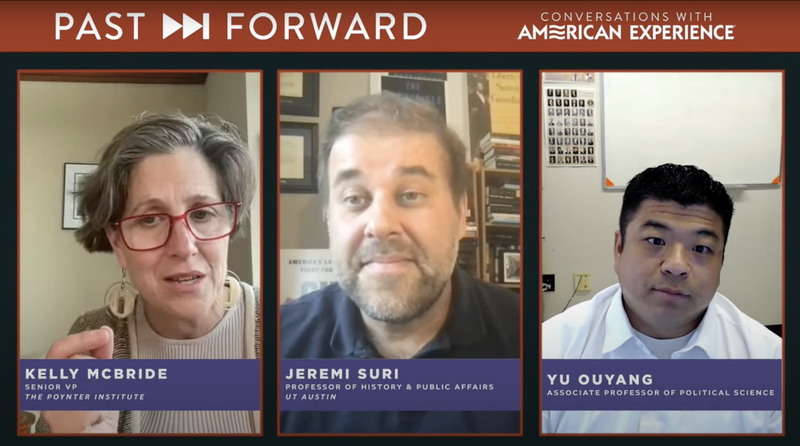
Political scientist Yu Ouyang and professor Jeremi Suri speak with Kelly McBride, Senior Vice President at The Poynter Institute for Media Studies, about how politicians and the press compete for public attention.
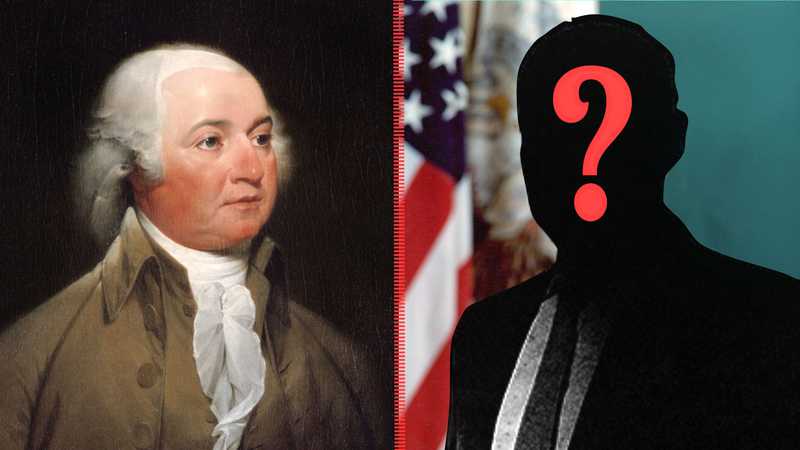
America’s first vice president, John Adams, called his job “the most insignificant office that ever the invention of man contrived.” But that would change dramatically over the next two and a half centuries. Discover how the vice presidency has evolved over time.
LBJ exploited his mastery of the legislative process to shepherd a collection of progressive programs through Congress with astounding success, but his visions of a Great Society were swallowed up in the quagmire of Vietnam.