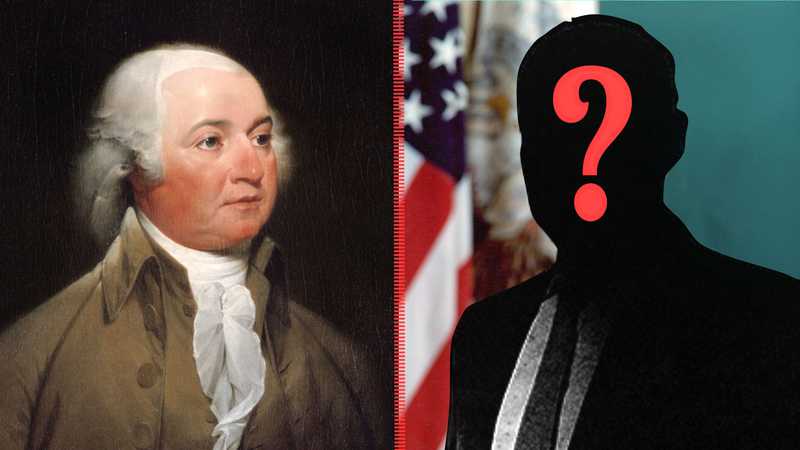
America’s first vice president, John Adams, called his job “the most insignificant office that ever the invention of man contrived.” But that would change dramatically over the next two and a half centuries. Discover how the vice presidency has evolved over time.
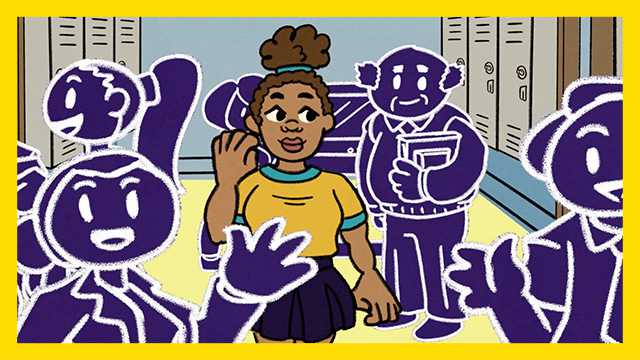
Dr. Gina Tillis grew up in a multiracial, bilingual household in California. In high school, she moved to Texas where, generations earlier, her family helped start an all-Black school. Gina came to StoryCorps with Sheri Neely — her friend and fellow board member of the Memphis 13 Foundation, a nonprofit that advocates for educational equity to honor the thirteen African American students who were the first to integrate the public schools in Memphis, Tennessee, in 1961. Together, they reflect on Gina’s educational experience and the legacy of desegregation.
Elisabeth "Biz" Lindsay-Ryan and Suni Kartha were strangers in Evanston, Illinois who believed that there were serious inequities in the way that the parent-teacher associations (PTA) were able to raise and spend money for schools in their district. They remember how they eventually galvanized the rest of their community to rethink that approach.
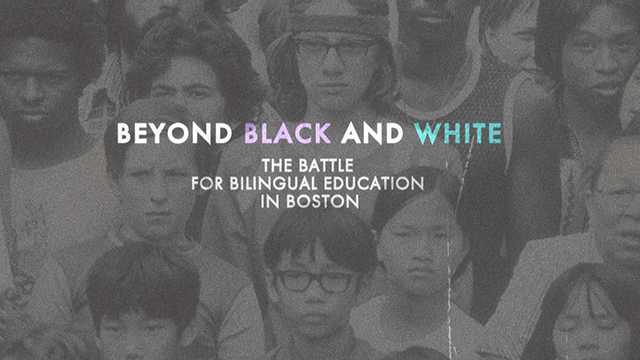
Most histories about the integration of Boston’s schools in the 1970s focus on the tension between the city’s Black and white residents—but there’s another narrative that goes beyond black and white. This is the little-known story of how Latino and Asian activists took on the education system, and won.
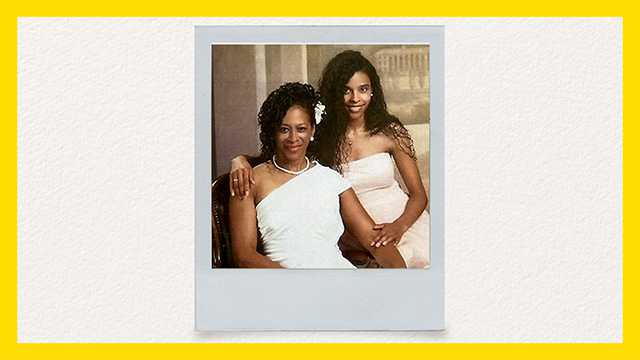
Diane Hayes Powers tells her daughter Destiny McLurkin about growing up in segregated Seattle and how her experiences during school desegregation inspired her to advocate for young people in her community.