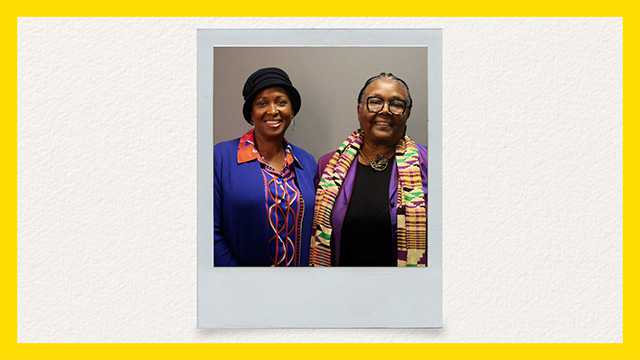
LueRachelle Brim-Atkins grew up in Naples, Texas, where strict segregation was a part of everyday life. Years later she moved to Seattle, Washington. There, she spoke with her friend, Jacquelyn Howard, about her early life, and how her family’s legacy led her to becoming an educator.
Chris Horan tells his daughter Katie Wetsell about his recollections of school desegregation as a white student in McGehee, Arkansas in the 1960s. The two reflect on what they have learned through his experiences and stories, and how that informs how they move through the world today.=
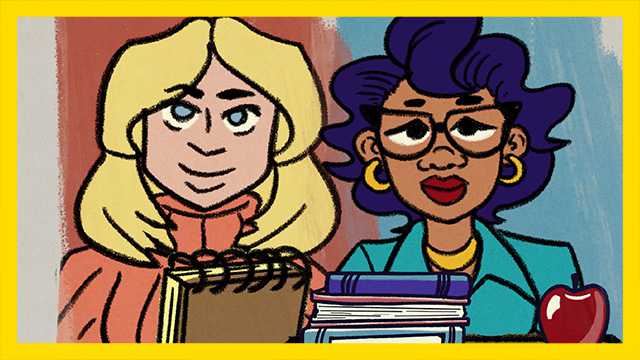
When the Chicago Board of Education voted to close 50 elementary schools, the majority of students affected were Black, who were being bused to new schools in sometimes rival gang territories. Community organizer Jeanette Taylor and teacher Angela Ross talked about the impact of the school closures on their community.
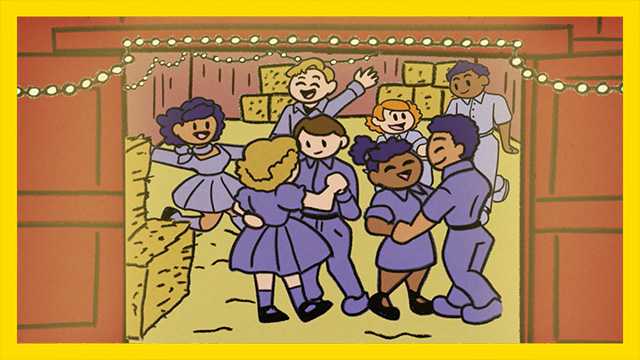
Louis Jordan grew up on a farm in Americus, Georgia during the late 1950's. He spoke with his son, Andrew about the racial tensions and unrest that marked his childhood and how desegregating his high school helped shape the man he would become.
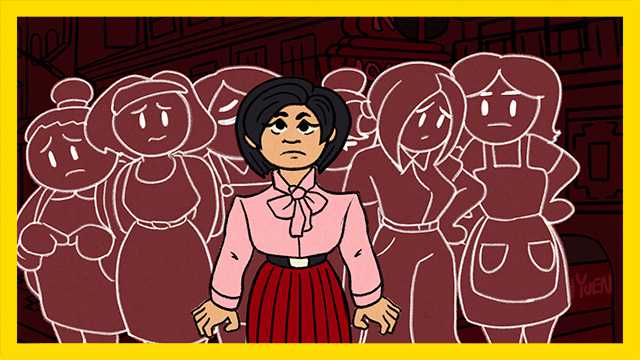
In the summer of 1974, Suzanne Lee was a first-year teacher living in Boston’s Chinatown and Howard Wong was an 11-year-old middle schooler. They remembered when the notice for desegregation first came, and how it eventually led to a Chinese student boycott of Boston schools.
Judy Stoia first met Patricia Kelly when Pat knocked on her door and asked if she was interested in selling her home. It was 1976, and many whites were fleeing Boston's Jamaica Plain neighborhood because of school desegregation. Now, nearly 50 years later, they remember that tumultuous time…
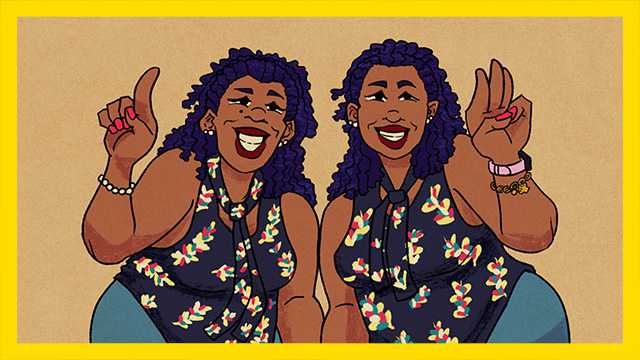
In 1961, identical twin sisters Sheila Malone-Conway and Sharon Malone were part of a group of students in Memphis, Tennessee, who integrated previously all-white schools. Known as the “Memphis 13,” these African American students were all enrolled as first graders. From Nashville, Tennessee, Sheila Malone-Conway and Sharon Malone talked about their experience.
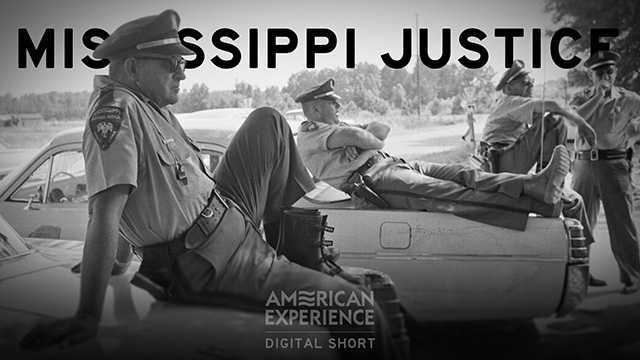
A new telling of the story of the 1964 murders of three civil rights workers in Neshoba County, Mississippi—carried out by the Klan and enabled by police collusion and a Mississippi state spy agency.
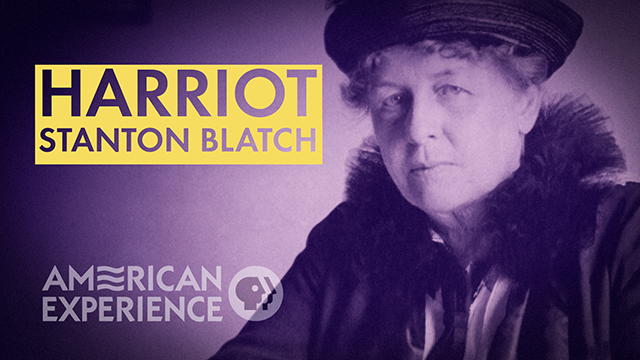
A veteran of the suffrage wars, Harriot Stanton Blatch organized labor activists, spoke to crowds of voting men and lobbied Albany for a suffrage bill.
Ida B. Wells was a prominent journalist who exposed racial violence in the South. In 1913, she led a trip to Washington, D.C. to march in the national suffrage parade.