Derrion Albert: The Death that Riled the Nation

February 14, 2012
Share
On Sept. 24, 2009, Derrion Albert, a 16-year-old honors student, was walking home from Fenger High School when he found himself amidst a violent confrontation between two rival groups from the school. Though the authorities and eyewitnesses say Albert was an innocent bystander, he was pulled into the fight and severely beaten. He died a short time later.
Albert was the third teenager killed in Chicago that month, and his death ignited a firestorm because it was captured in a cell phone video. The gruesome footage, which shows Albert kicked, stomped on and hit over the head with a wooden plank, went viral across the country, drawing attention to Chicago’s youth violence problem.
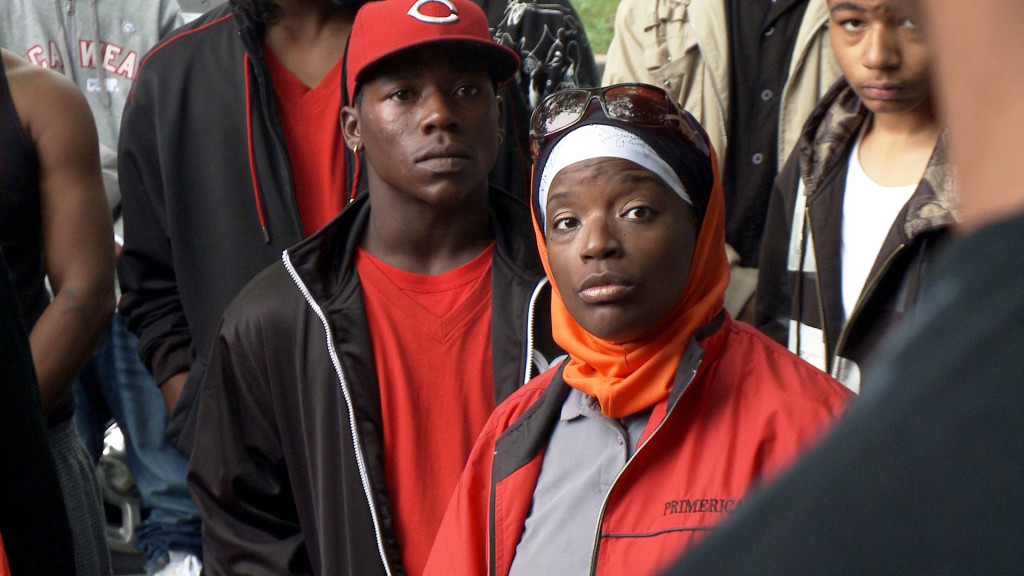
In The Interrupters, filmmaker Steve James (Hoop Dreams) takes you inside Chicago’s inner-city violence and gang problems, profiling three “violence interrupters” who work for the innovative program CeaseFire, which is the brainchild of epidemiologist Gary Slutkin. Slutkin, who for 10 years battled the spread of cholera and AIDS in Africa, believes that the spread of violence mimics that of infectious diseases, and so the treatment should be similar: Go after the most infected, and stop the infection at its source.
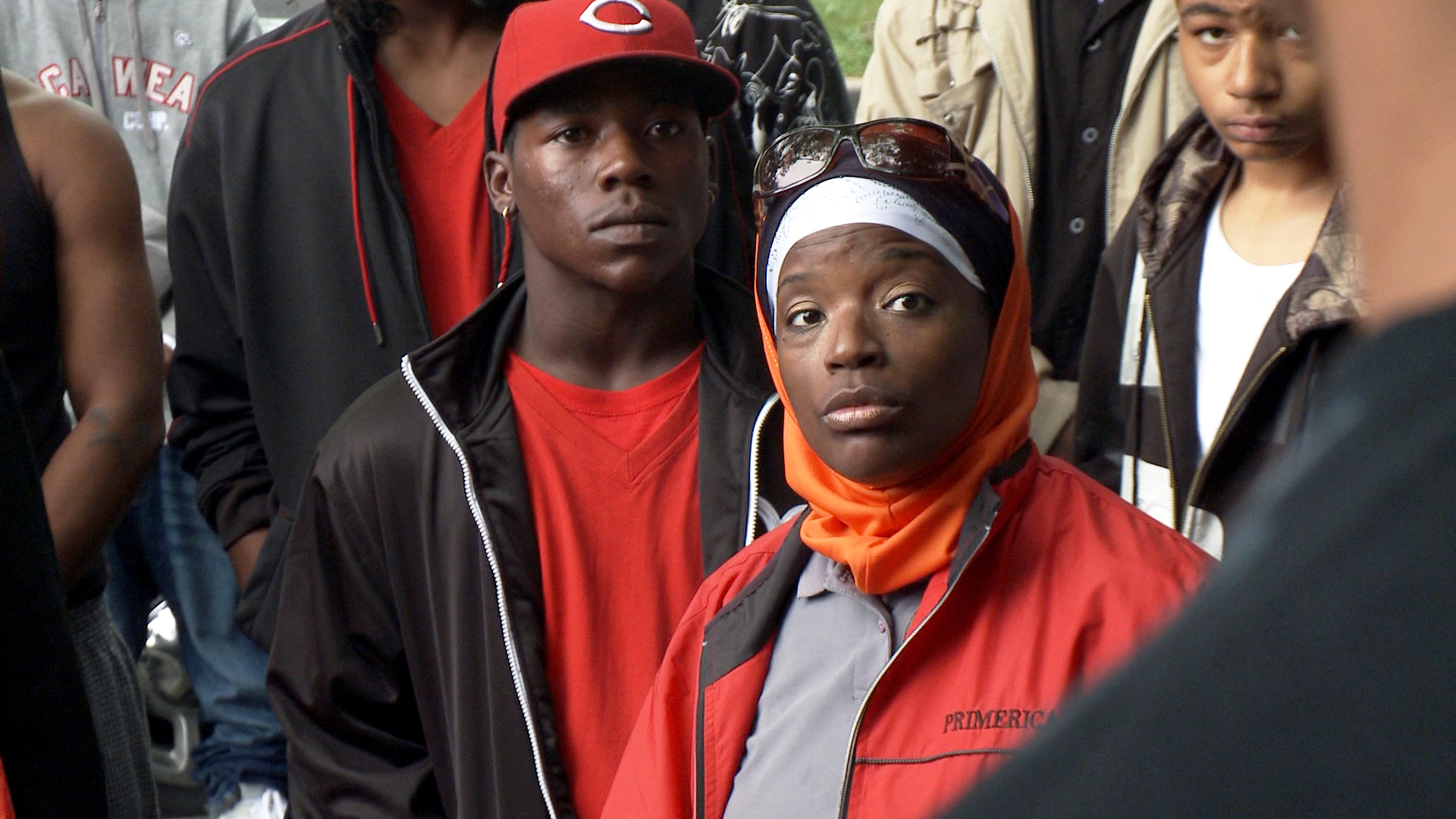
In an excerpt from the film embedded above, interrupter Ameena Matthews helps Derrion’s mother, Anjanette Albert, and his sister Rhaea, as they plan a vigil and funeral for him.
“Ameena is very, very important to us, “Anjanette says. “Everything I went through, she was right there with me.”
It has been more than three years since Albert was killed, and the five young men who were charged with his murder — identified with the help of the video — are all serving between 15 and 32 years in prison. The youngest of them was 15 years old at the time of the beating.
But for Albert’s family, the pain doesn’t stop.
After Albert’s death, Secretary of Education Arne Duncan announced a $500,000 grant for after school student support programs and transportation for students to and from Fenger High School.
“This is not about the money. Money alone will never solve this problem. It’s about our values,” Duncan said. “It’s about who we are as a society. And it’s about taking responsibility for our young people, to teach them what they need to know to live side-by-side and deal with their differences without anger or violence.”
Support provided by:
Learn More
Related Documentaries
Latest Documentaries





Related Stories
The Interrupters
Related Stories
The Interrupters
Explore
Policies
Teacher Center

Jon and Jo Ann Hagler on behalf of the Jon L. Hagler Foundation
Corey David Sauer
Koo and Patricia Yuen
FRONTLINE is a registered trademark of WGBH Educational Foundation. Web Site Copyright ©1995-2025 WGBH Educational Foundation. PBS is a 501(c)(3) not-for-profit organization.
Funding for FRONTLINE is provided through the support of PBS viewers and by the Corporation for Public Broadcasting, with major support from Ford Foundation, and Fialkow Family Foundation. Additional funding is provided the Abrams Foundation, John D. and Catherine T. MacArthur Foundation, Park Foundation, Heising-Simons Foundation, and the FRONTLINE Trust, with major support from Jon and Jo Ann Hagler on behalf of the Jon L. Hagler Foundation, and Corey David Sauer, and additional support from Koo and Patricia Yuen. FRONTLINE is a registered trademark of WGBH Educational Foundation. Web Site Copyright ©1995-2026 WGBH Educational Foundation. PBS is a 501(c)(3) not-for-profit organization.