Documenting the Alliance Between Trump and Saudi Crown Prince MBS
Filmmaker Martin Smith talks about making the documentary ‘The Crown Prince & the President,’ an examination of the U.S.-Saudi relations during the Trump era.
July 1, 2026
Share
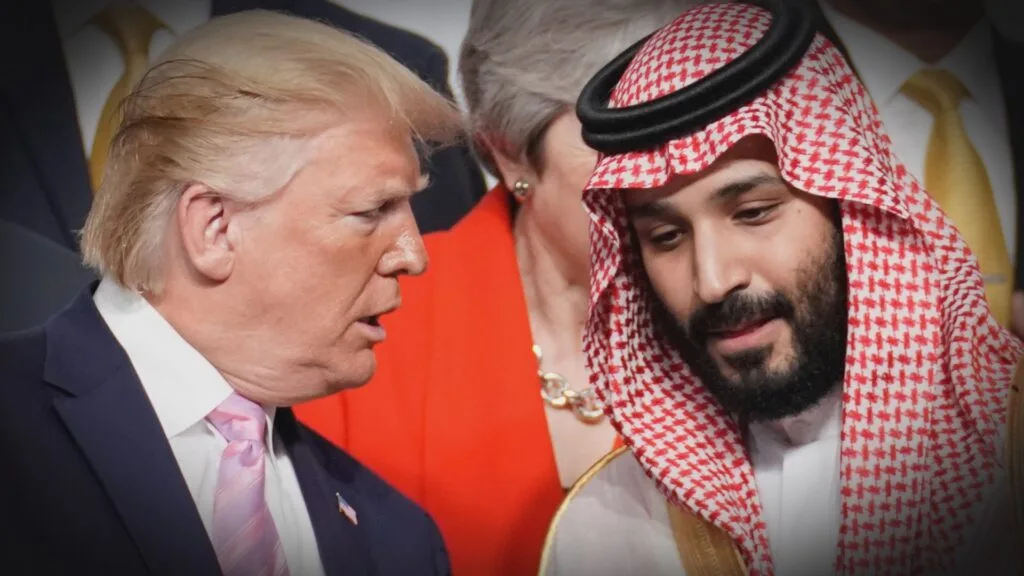
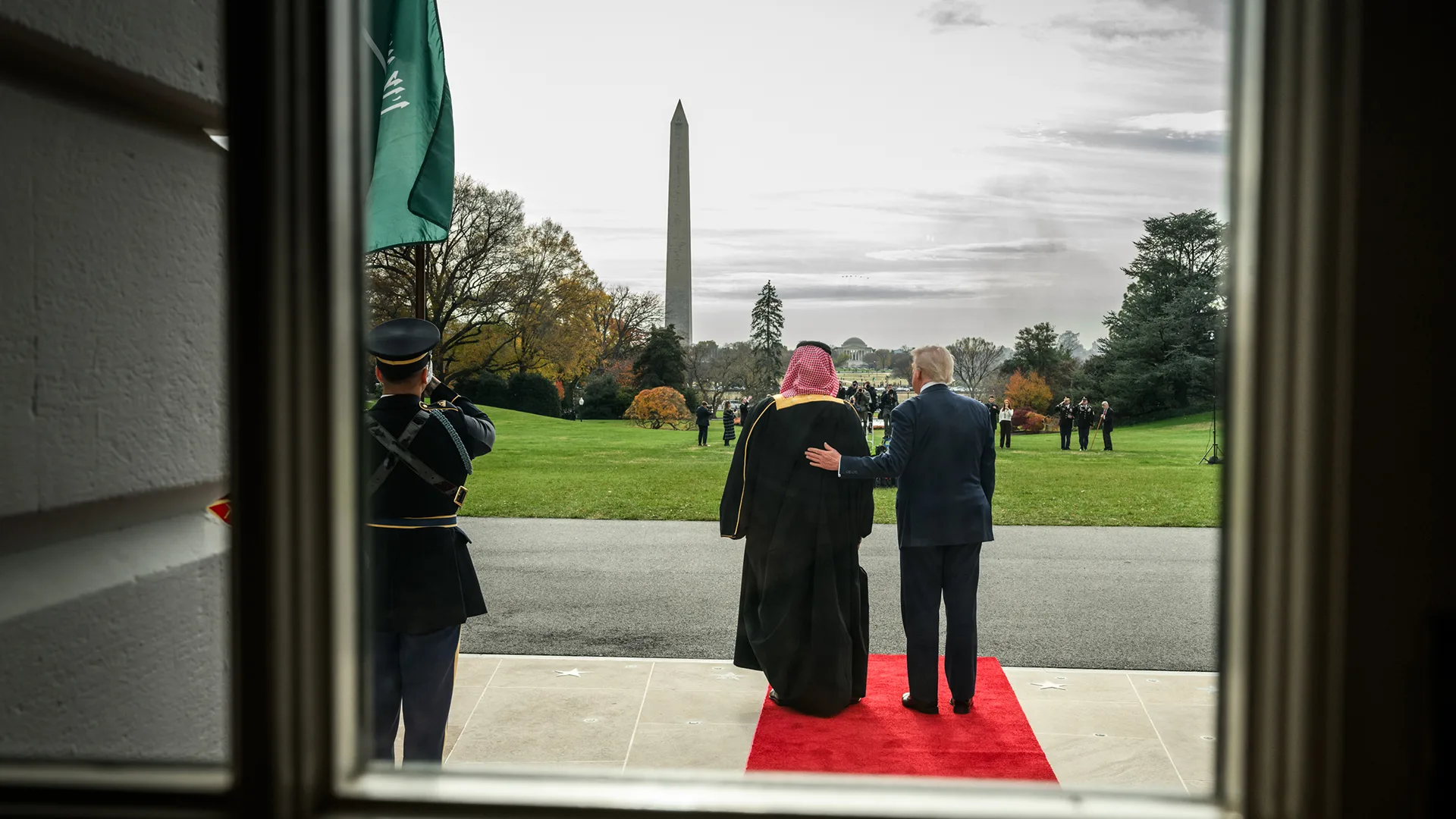
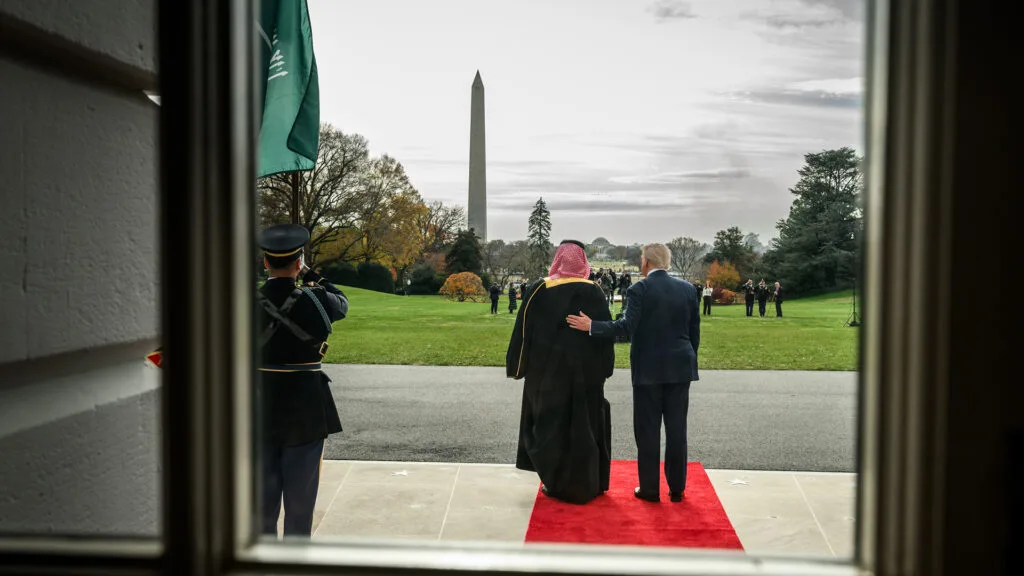
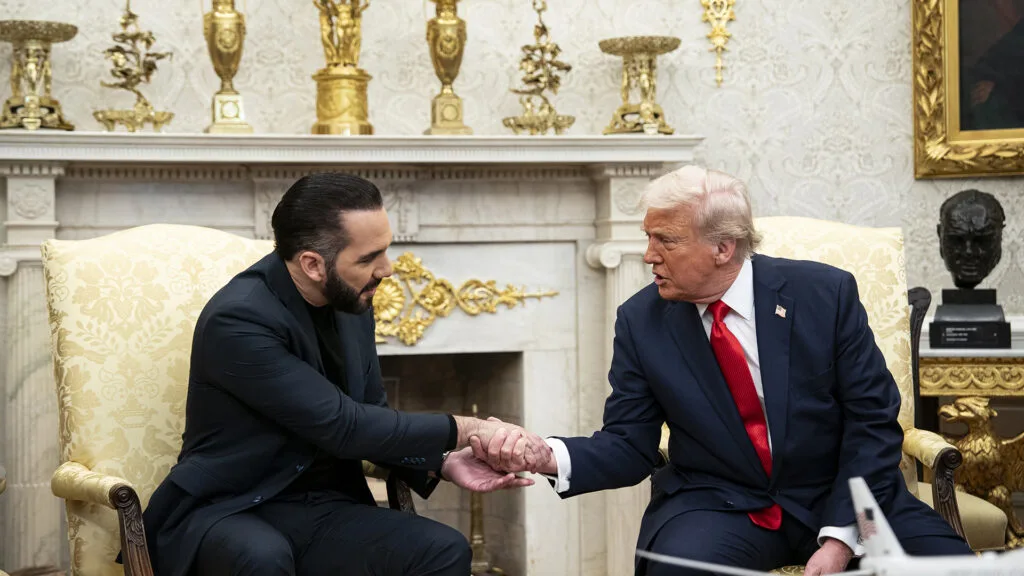
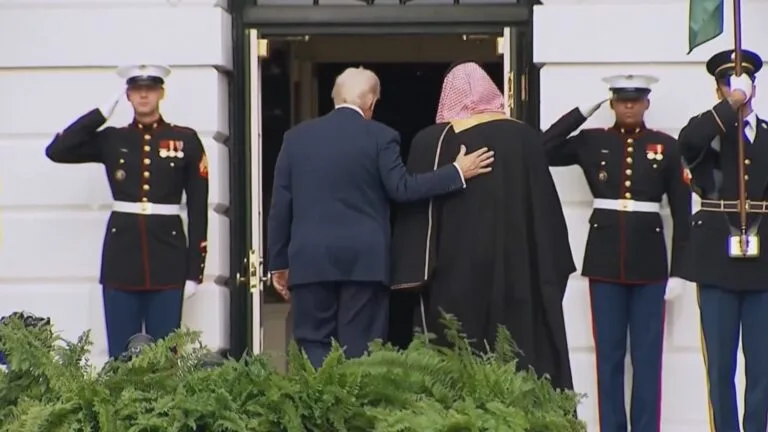
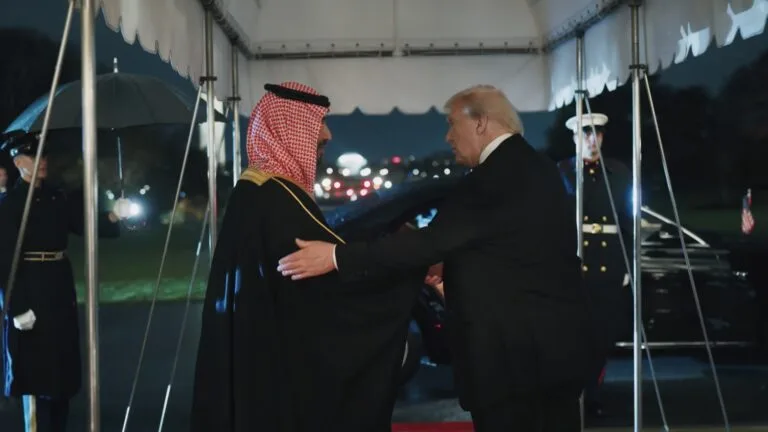
When President Donald Trump welcomed Crown Prince Mohammed bin Salman to the White House in November 2025, he praised the de facto ruler of Saudi Arabia as an “extremely respected man” and a “friend of mine for a long time.”
The Saudi ruler — known widely by his initials, MBS — was visiting the United States for the first time since the 2018 murder of Saudi journalist Jamal Khashoggi in an operation that U.S. intelligence assessed MBS had approved. MBS has denied involvement.
At the meeting, which included MBS announcing Saudi plans to invest nearly one trillion in the U.S., the president brushed aside questions about his family’s business ties to Saudi Arabia, and said that what MBS had “done is incredible in terms of human rights.”
A new documentary from FRONTLINE, The Crown Prince & the President investigates the relationship between the two leaders, leveraging years of reporting, interviews with former U.S. and Saudi officials, Saudi dissidents, journalists, human rights and foreign policy experts to trace the political and economic dealings between the Trump administration and Saudi Arabia, and their wider repercussions.
In conversation with FRONTLINE, veteran correspondent Martin Smith — who directed, produced and wrote the documentary with Marcela Gaviria — discussed key takeaways from the film, including why the U.S. has formed this close alliance with Saudi Arabia, how decades of reporting on the region informed this documentary and Smith’s interactions with the Saudi crown prince.
This interview has been edited for clarity and length.
How did this project begin? Why now?
I’ve covered Saudi Arabia for a long time and I had produced a film in 2019 called The Crown Prince of Saudi Arabia, which was about his rise to power and then the trouble with Jamal Khashoggi, some of which is also in this new film.
But after the crown prince’s visit in November of ‘25 to the White House — the first visit that he had made since the murder of Khashoggi to the U.S. — there was an interest in getting the original film back on the air. And we were asked to update it.
As we thought about it, we weren’t sure what we could update because we pretty much covered all the bases. So, we hit upon the idea that what was more interesting and more relevant at this point was the relationship between the crown prince and the president. So it’s an examination of that: U.S.-Saudi relations during the Trump era.
You start the film with Crown Prince Mohammed bin Salman visiting the White House in 2025. Why did you choose to start the story there?
In one sense, it was where the story began for us, because that visit inspired us to look harder at that relationship. It’s quite a bromance, if you will, between the crown prince and the president. And we thought that scene spoke volumes about the way in which Trump honored the crown prince, and spoke volumes about how he’d dismissed criticism about human rights.
In fact, remarkably to me, in that Oval Office meeting, the president praises the crown prince for his record on human rights. Saudi Arabia, for all its reforms, is still an authoritarian state with a horrible human rights record.
This meeting about Saudi Arabia seemed a good place to start. And then we roll back after that to the beginning of Trump’s first administration and really zero in on the nature of the relationship.
What are some of the key findings you’d want the audience to take away from watching this documentary?
I think what we would like them to understand is why we, the U.S., have formed this close relationship with Saudi Arabia.
It was in some ways the brainchild of the son-in-law of the president, Jared Kushner, who thought that Saudi Arabia could be the key to Middle East peace — Saudi Arabia being a large country in the Middle East, a leader in the Middle East, home to the cities of Mecca and Medina, so, very important to Muslims. If they could get Saudi Arabia to recognize Israel, that would then lead to other states wading into those waters.
"All of the spending that Saudi Arabia was doing and was promising to continue to do meant that the crown prince had a lot of wiggle room in terms of how he ran the country internally."
What you get from the film is how that was important to the president, as was the amount of money that was coming into the U.S. to purchase arms, to make investments in infrastructure. All of the spending that Saudi Arabia was doing and was promising to continue to do meant that the crown prince had a lot of wiggle room in terms of how he ran the country internally.
You’ve covered the U.S.-Saudi relationship now for more than 20 years for FRONTLINE. What drew you to cover it then?
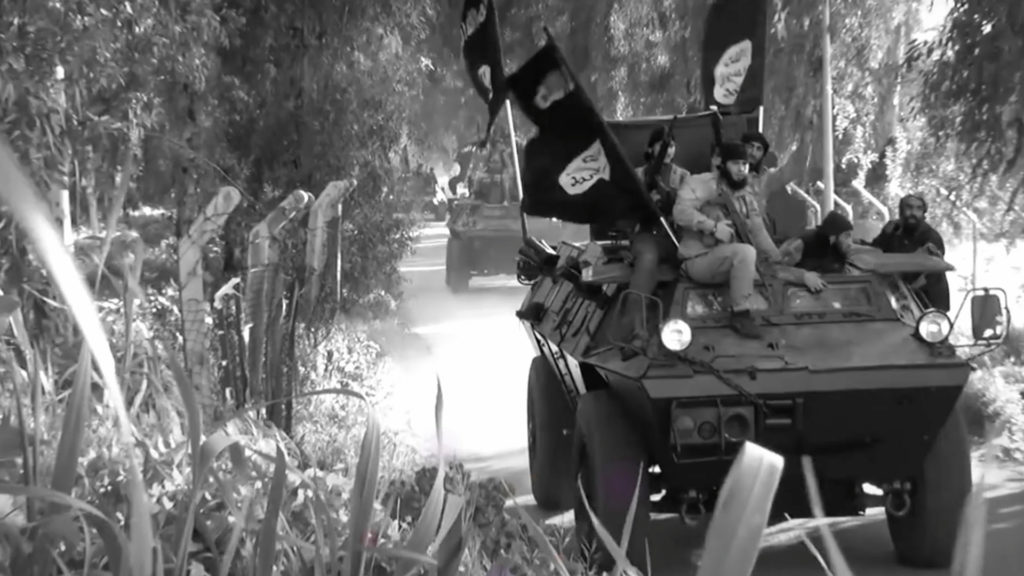
Well, it was right after 9/11. I was making a film called In Search of Al Qaeda. I was up in the tribal areas of Pakistan, where Al Qaeda fought their last battles against the U.S. And then it took me into Saudi Arabia, where many of the members of Al Qaeda had fled to go back home.
And even before 9/11, I had come across the work of the Wahhabis in Africa and the radicalization that was taking place in mosques even years before 9/11. I had an interest, particularly, in Saudi Arabia, being the home of 15 of the 19 hijackers.
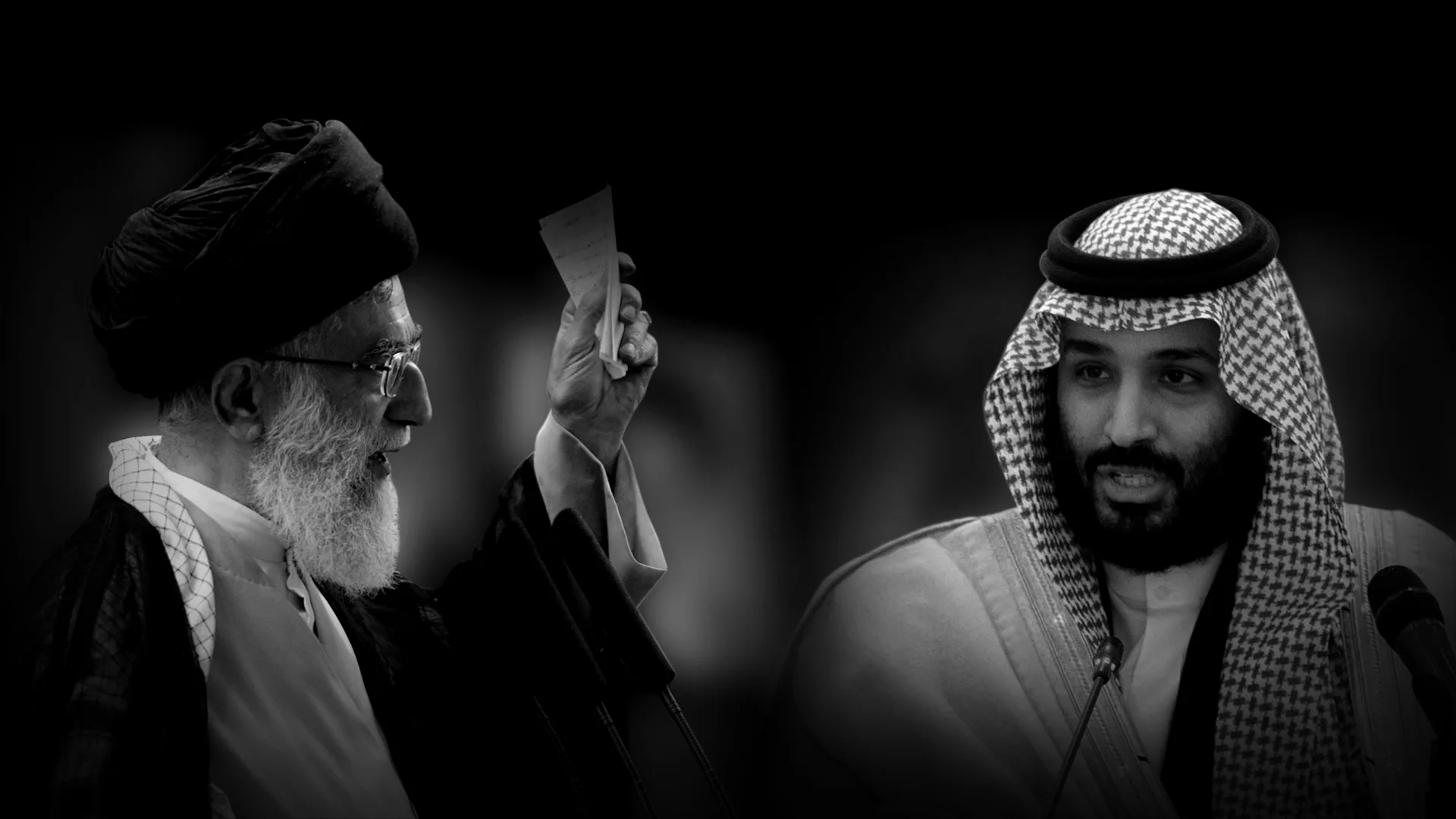
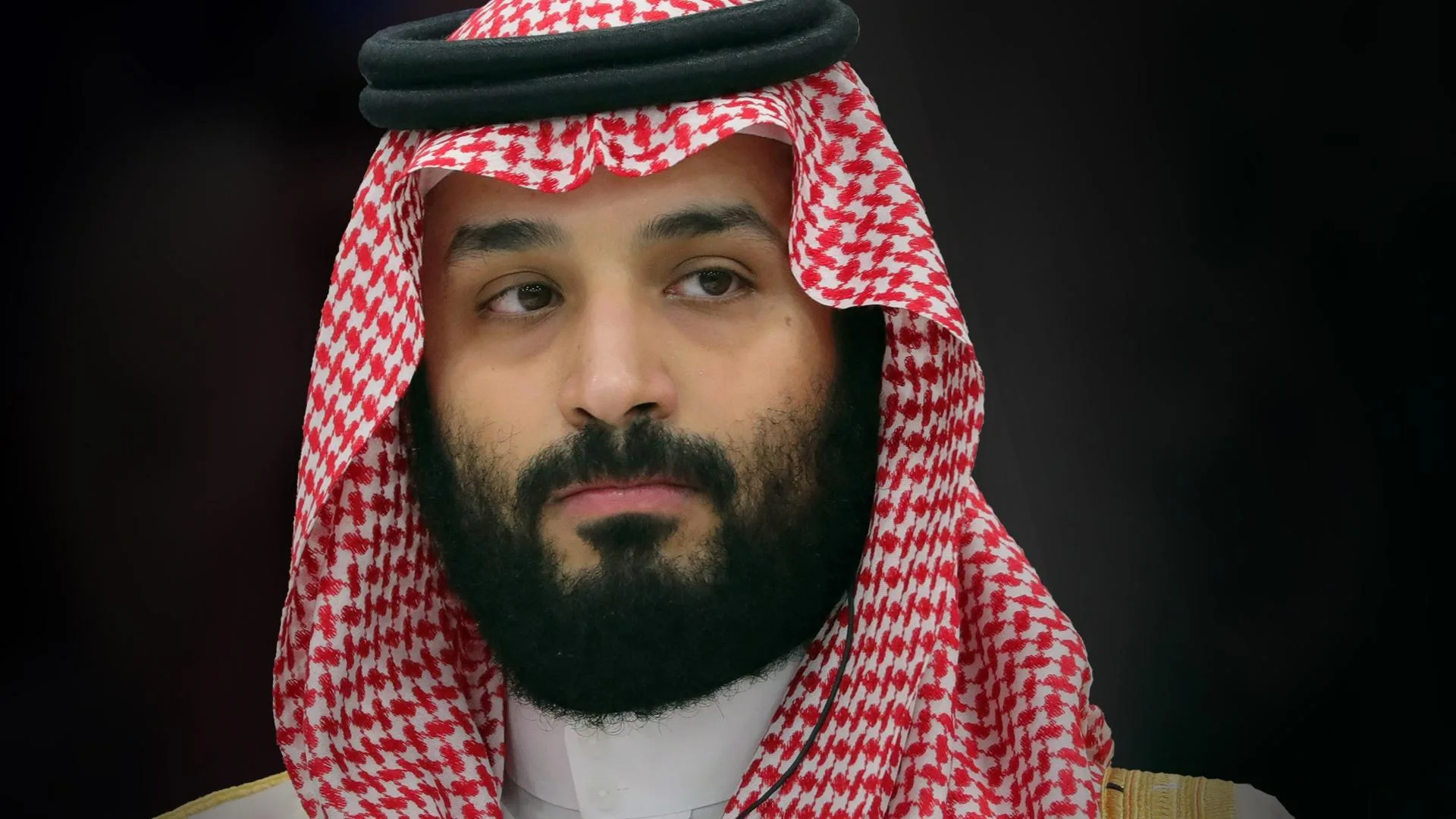
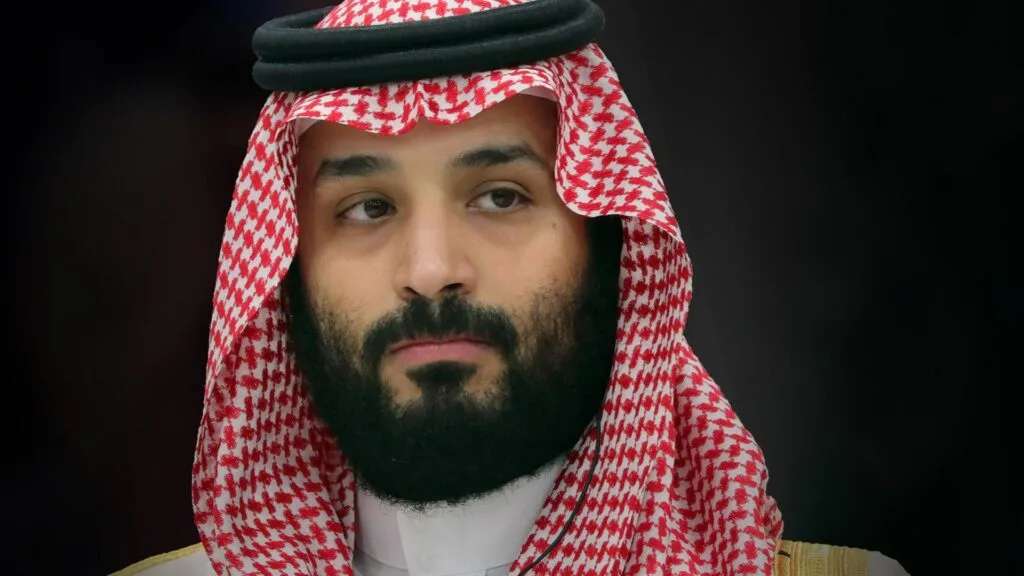
Then, I also was involved in a film called House of Saud, and that was a history of the Saudi royal family. Crown Prince Mohammed bin Salman — well, when I met him, he was not yet the crown prince — told me he loved that film, and that’s why he wanted to meet me. I was in Saudi Arabia at the time, working on a film called Bitter Rivals about the rivalry between Iran and Saudi Arabia. And by networking with a number of people, I was able to get myself into his palace office. We sat and talked for about an hour, maybe more.
You talk about how you have this texting relationship with MBS. And you try to contact him a few times, especially after Khashoggi’s murder, to no avail. You haven’t been able to contact him since that time period?
Well, I’m able to contact him, but he doesn’t seem to want to respond. I have texted him many, many times, long texts, trying to explain why I’d like to speak to him. He doesn’t respond. Maybe after this film I can get him back on the line.
Was there anything surprising that you learned while reporting this documentary?
Well, one interesting moment in the film is when I asked Jason Greenblatt, a Trump advisor who worked with Kushner, what the Abraham Accords had in them for the Palestinian people. And there’s quite a pause there. And he says, something like, “specifically nothing.” And he then blamed them for not dealing.
And it is difficult to deal with the Palestinians when they had two governments, Hamas and [President of the Palestinian Authority Mahmoud] Abbas, so that was interesting to me.
And I wasn’t aware of the current thought that the Abraham Accords were in a sense being blamed for the events of October 7, that basically Hamas was feeling up against a wall. I mean, they have been for years. And that they struck out as if to say, we’re here. And you have to deal with us. But I was surprised by that.
The documentary touches on the role of MBS and Trump’s relationship with regard to the U.S.-Israeli war on Iran. How have you seen Saudi Arabia’s way of wielding global influence change?
As we report in the film, the crown prince didn’t want to get into this war with Iran. But then, once he was in it, he encouraged the president to finish the job and get it over with. MBS denies he ever urged Trump to continue. But that meant escalating the thing. And then, he saw what it was doing to his own country.
"One thing about covering the Middle East: it's always changing. Even as you write your documentary script, it's changing and alliances are shifting."
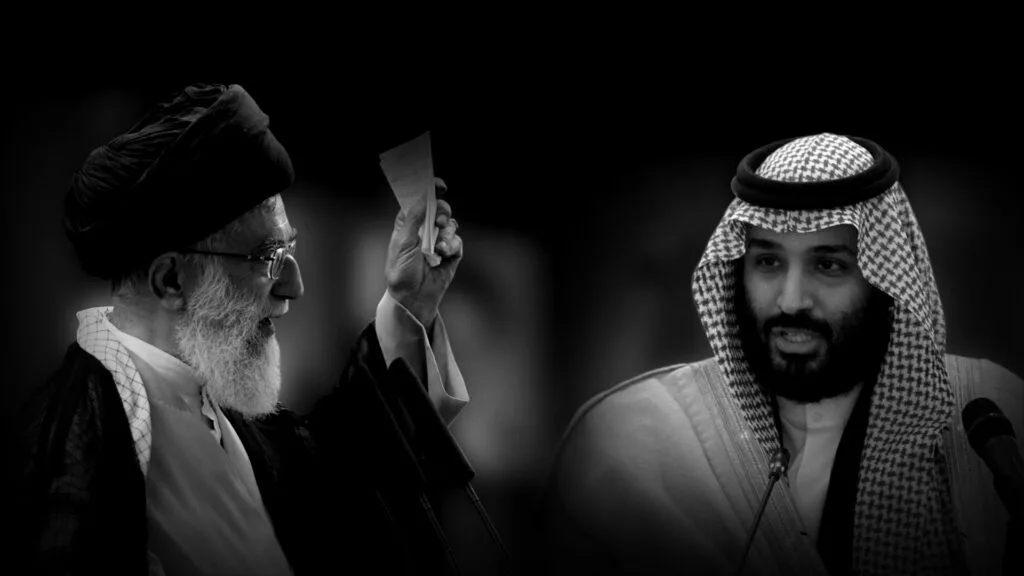
I think that the sobering reality for the crown prince is that their neighbor, Iran, with whom they had come some distance to making some kind of accommodation and peace, was a powerful force that could and did hurt them: bombed their airport, bombed a refinery. So, that sobered him up.
One thing about covering the Middle East: it’s always changing. Even as you write your documentary script, it’s changing and alliances are shifting. And I think that’s been the consequence for the crown prince. He’s had to rethink his relationship with the U.S.
What do you wish people understood about the U.S.-Saudi relationship today?
That is a big question. For so many years, it’s been a transactional relationship of us providing security and them providing money and investment. And I think that’s going to continue, but I think it’s in choppy waters right now.
The closeness of the relationship, the transactional nature of the relationship, certainly I want people to understand that. It’s, I think, illuminating about the way that Kushner and Trump have navigated these last years.
These fairly inexperienced people, Kushner and Greenblatt and Trump himself, were businessmen. And they thought that they had a better take — that they could get peace through prosperity. That got blown out of the water on October 7 and then [Israeli Prime Minister Benjamin] Netanyahu’s reaction to October 7.
I think that, to some degree, they succeeded. They got a few countries to sign in. But then reality came into play, and that was blown out of the water.
Watch the documentary
The Crown Prince & the President
FRONTLINE examines the alliance between Saudi Crown Prince Mohammed bin Salman and President Donald Trump
Journalism powered by your support — and accessible to all.
Watching our “Scammed” documentary revealing how the global scam industry operates? Exposing the truth is where accountability begins. Help keep reporting like this paywall-free for everyone with a gift of $5 or $10 today.

Tow Journalism Fellow, FRONTLINE/Newmark Journalism School Fellowship, FRONTLINE
Email:
leo_miranda@wgbh.orgSupport provided by:
Learn More
Related Documentaries
Latest Documentaries


Related Stories
National Interest vs. Human Rights: John Bolton on U.S.-Saudi Ties
Inside the Trump-MBS Alliance
Where to Watch FRONTLINE’s Documentary on the Trump Administration & Saudi Arabia
The Crown Prince & the President
Related Stories
National Interest vs. Human Rights: John Bolton on U.S.-Saudi Ties
Inside the Trump-MBS Alliance
Where to Watch FRONTLINE’s Documentary on the Trump Administration & Saudi Arabia
The Crown Prince & the President
Explore
Policies
Teacher Center

Jon and Jo Ann Hagler on behalf of the Jon L. Hagler Foundation
Corey David Sauer
Koo and Patricia Yuen
FRONTLINE is a registered trademark of WGBH Educational Foundation. Web Site Copyright ©1995-2025 WGBH Educational Foundation. PBS is a 501(c)(3) not-for-profit organization.
Funding for FRONTLINE is provided through the support of PBS viewers and by the Corporation for Public Broadcasting, with major support from Ford Foundation, and Fialkow Family Foundation. Additional funding is provided the Abrams Foundation, John D. and Catherine T. MacArthur Foundation, Park Foundation, Heising-Simons Foundation, and the FRONTLINE Trust, with major support from Jon and Jo Ann Hagler on behalf of the Jon L. Hagler Foundation, and Corey David Sauer, and additional support from Koo and Patricia Yuen. FRONTLINE is a registered trademark of WGBH Educational Foundation. Web Site Copyright ©1995-2026 WGBH Educational Foundation. PBS is a 501(c)(3) not-for-profit organization.