Documentaries on Ebola Outbreaks and Lessons Learned
Explore documentaries and reporting that provide background and lessons from past Ebola outbreaks in West Africa and beyond.
July 31, 2026
Share
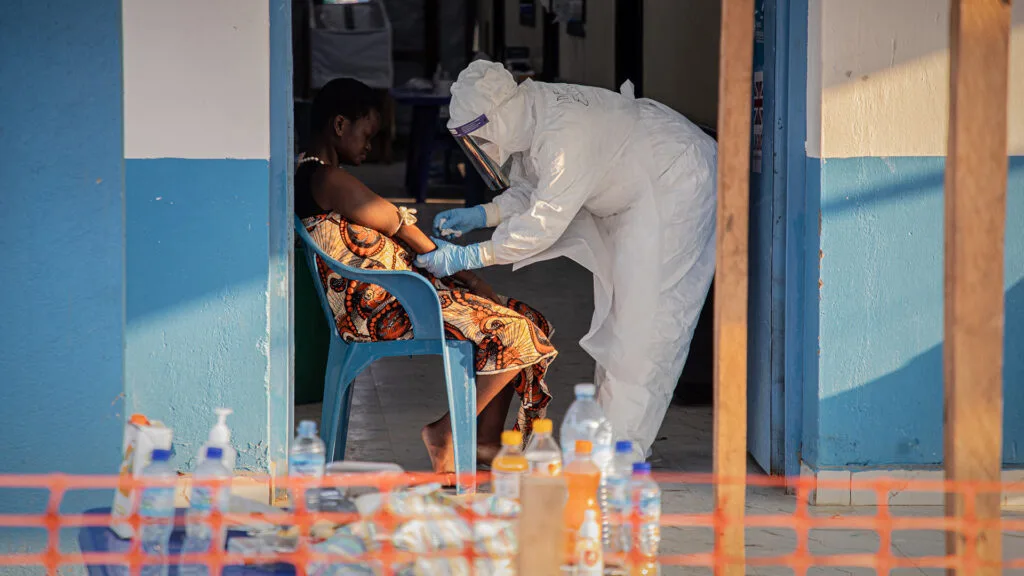
An outbreak of Ebola that began in the Democratic Republic of Congo has killed more than 1,600 people, according to health authorities. More than 3,700 people have been infected since late April, making this outbreak the second largest on record. Neighboring Uganda, which saw 20 infections and two deaths, declared itself free of Ebola in late July.
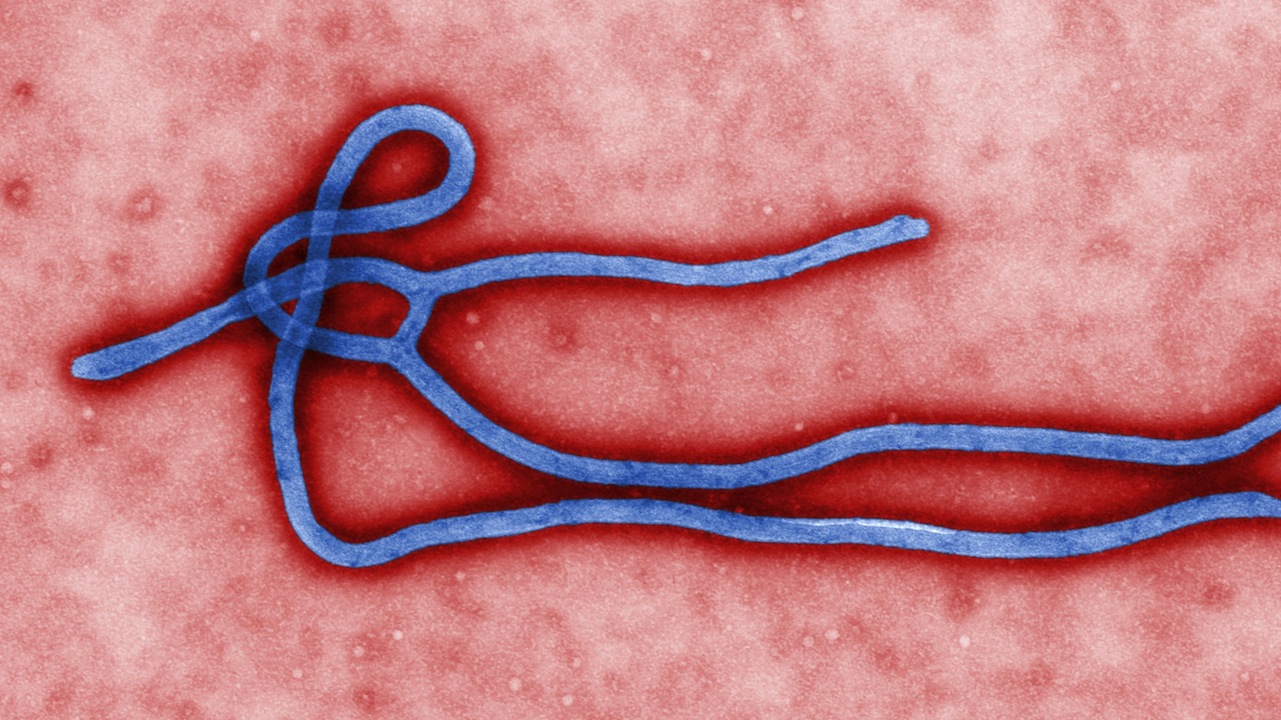
First identified in 1976, Ebola, which is considered a hemorrhagic fever virus, can result in internal bleeding and cause damage to tissues and inflammation all over the body, and ultimately death, according to Johns Hopkins Medicine.
In past outbreaks, health authorities have tried to contain the spread of Ebola by isolating those infected, monitoring anyone who has been in contact with them, and safely burying the dead. Contact tracing has been challenging during this outbreak, as many people who recently died from Ebola had not visited a health care facility or received care. This was “the most alarming finding” of the current outbreak, said Chikwe Ihekweazu, executive director of the World Health Organization’s Health Emergencies Programme, according to a July statement. Ihekweazu explained that “80% of new cases are outside our contact lists,” which has made it challenging to trace and interrupt the paths of disease transmission.
What has further complicated efforts is that there isn’t a vaccine or specific course of treatment for Bundibugyo currently, the species of Ebola driving this outbreak which has a fatality rate ranging from 30 to 50%, according to the WHO. Four vaccines are being developed and a human trial for one of those started in Oxford, United Kingdom, this month.
The WHO has noted that this outbreak is the fastest growing one in history.
“We need the world to come together, not just out of charity or out of support for the DRC, but in our own enlightened best interest,” Ihekweazu said. “The more we do right now, the better placed we will be in the future.”
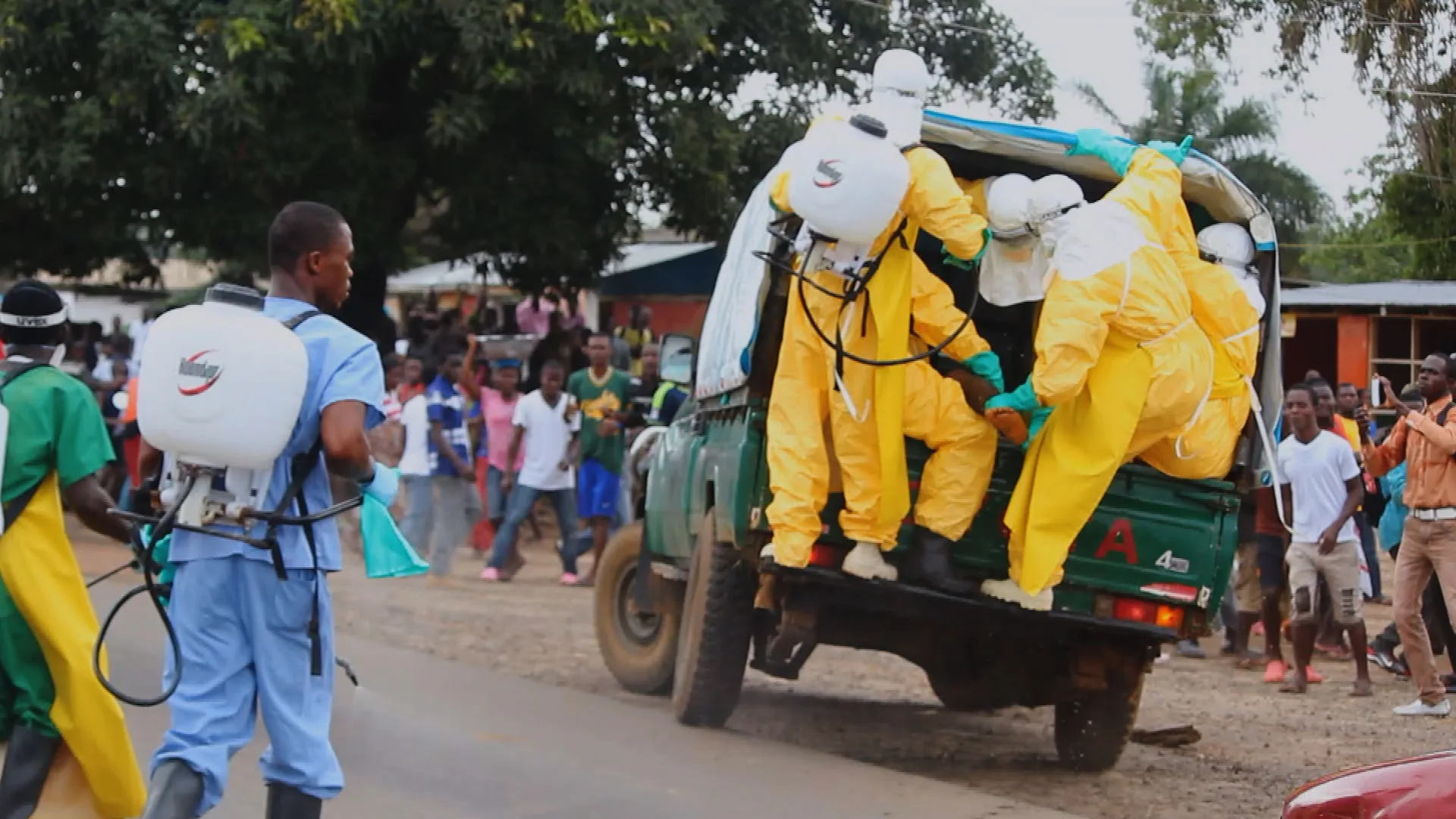
The largest Ebola outbreak on record began over 12 years ago in Guinea. It then tore through Sierra Leone and Liberia, and spread to Mali, Senegal, Nigeria and parts of the U.S. and Europe. By the time it ended in 2016, it had infected more than 28,600 people and taken more than 11,000 lives.
FRONTLINE has reporters on the ground covering the current outbreak and ongoing response. Below, explore the series’ deep archive of coverage of past outbreaks, including the 2014-2016 West Africa epidemic, and a more recent one in DRC in 2018, examining the impact on health workers and communities, and the consequences for public and global health.
Watch the documentary
Outbreak
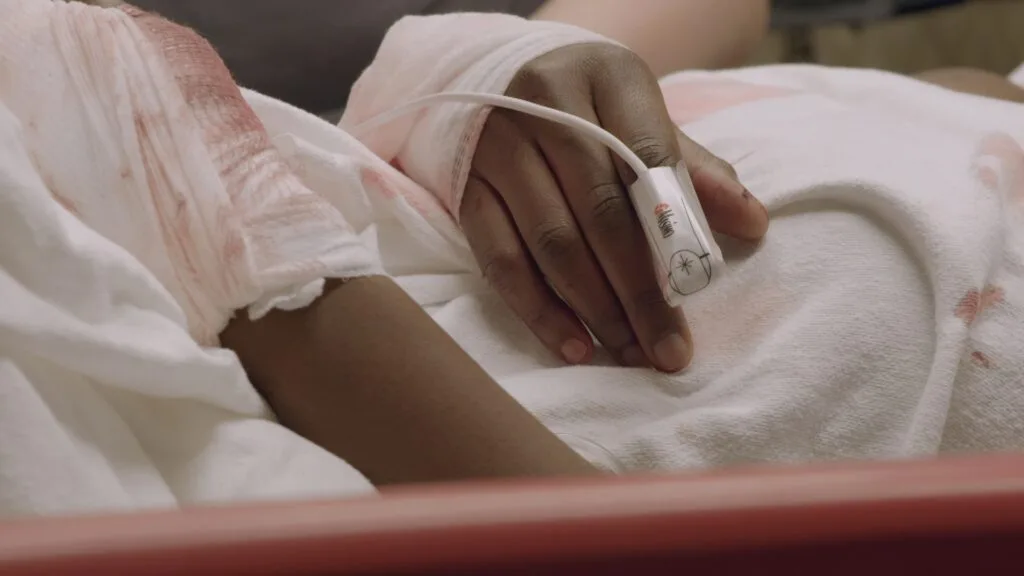
The vivid, inside story of how the 2014-2016 Ebola outbreak began, and why it wasn't stopped before it was too late
Ebola: Sounding the Alarm | Interactive | May 2015
When people started dying of a mysterious illness in Guinea’s forest region in early 2014, no one knew it was the beginning of the deadliest Ebola outbreak that the world had ever experienced. How did it get so bad? What were the warning signs? This interactive timeline of the crisis explored those questions.
Watch the documentary
Ebola in Congo
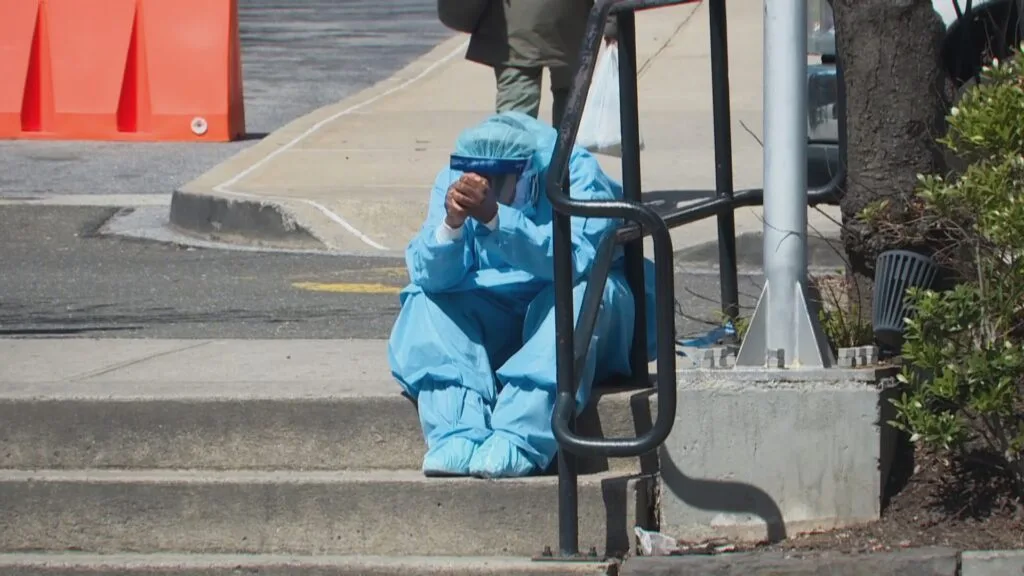
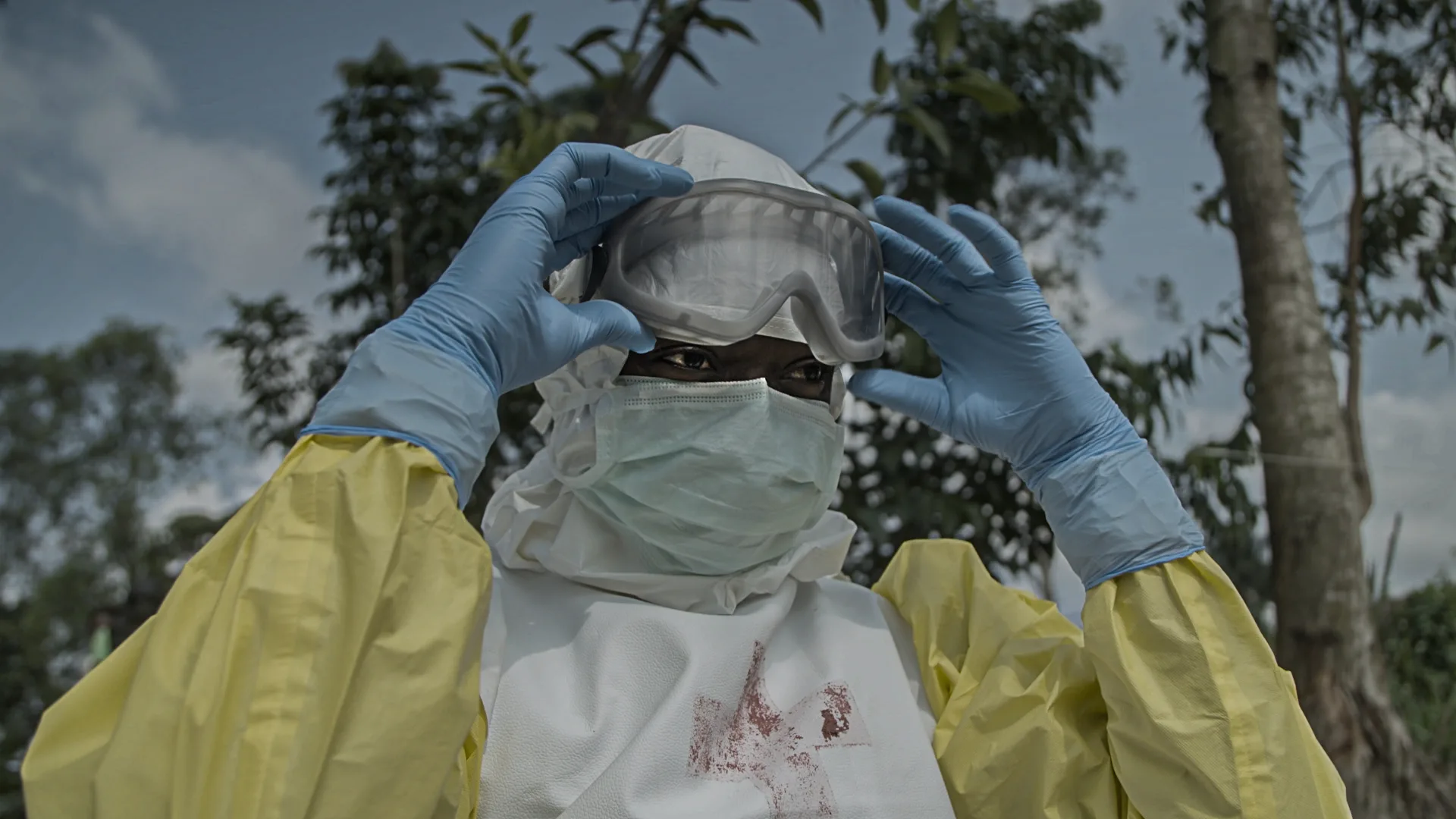
Three health workers risk their lives to battle Ebola in a war zone
How Building Community Trust Can Help Fight Ebola in the Democratic Republic of Congo | Article | August 2019
Why international organizations working on the ground focused on building community trust.
What the Failures of the Last Ebola Outbreak Can Teach Us About the Future | Article | August 2019
Global health experts weighed in on the lessons that were learned in West Africa and what was being done to avoid making similar mistakes in the 2019 outbreak — and future ones.
How Are We Preparing For the Next Pandemic? | Article | March 2026
A snapshot of preparedness for disease outbreaks at a time of global health funding cuts, policy shifts and the continued spread of misinformation.
Editor’s note: This story has been updated to reflect that this is now the second-largest Ebola outbreak and to include updated totals of infections and deaths.
Journalism powered by your support — and accessible to all.
Watching our “Scammed” documentary revealing how the global scam industry operates? Exposing the truth is where accountability begins. Help keep reporting like this paywall-free for everyone with a gift of $5 or $10 today.
Support provided by:
Learn More
Related Documentaries


Latest Documentaries





Related Stories
Outbreak
Related Stories
Outbreak
Explore
Policies
Teacher Center

Jon and Jo Ann Hagler on behalf of the Jon L. Hagler Foundation
Corey David Sauer
Koo and Patricia Yuen
FRONTLINE is a registered trademark of WGBH Educational Foundation. Web Site Copyright ©1995-2025 WGBH Educational Foundation. PBS is a 501(c)(3) not-for-profit organization.
Funding for FRONTLINE is provided through the support of PBS viewers and by the Corporation for Public Broadcasting, with major support from Ford Foundation, and Fialkow Family Foundation. Additional funding is provided the Abrams Foundation, John D. and Catherine T. MacArthur Foundation, Park Foundation, Heising-Simons Foundation, and the FRONTLINE Trust, with major support from Jon and Jo Ann Hagler on behalf of the Jon L. Hagler Foundation, and Corey David Sauer, and additional support from Koo and Patricia Yuen. FRONTLINE is a registered trademark of WGBH Educational Foundation. Web Site Copyright ©1995-2026 WGBH Educational Foundation. PBS is a 501(c)(3) not-for-profit organization.