‘It’s Like Being Buried Alive’: The Experience of Solitary Confinement
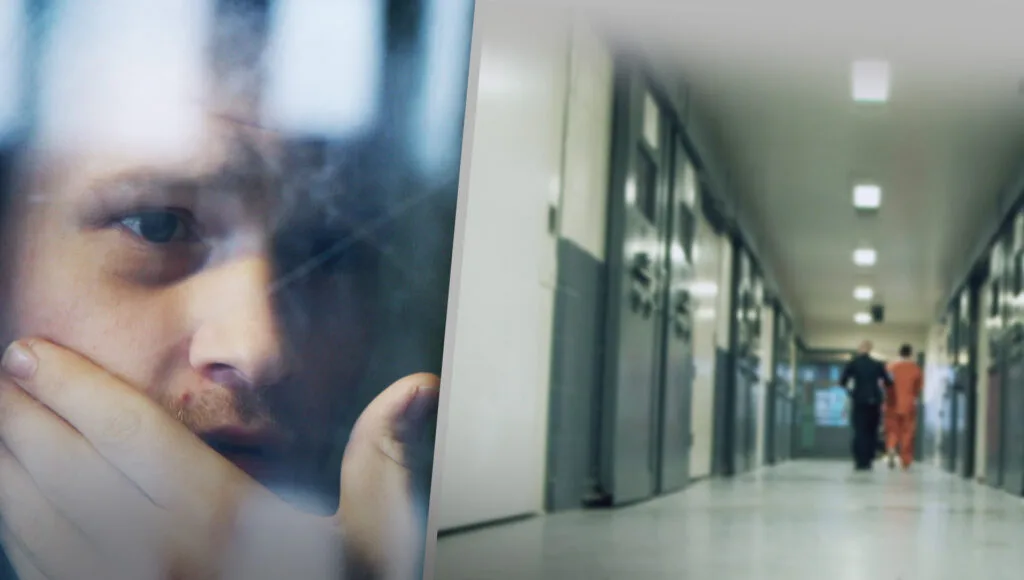
Amid renewed debate over the controversial practice, an archival FRONTLINE documentary offers a visceral portrait of life in solitary at one maximum-security prison.
March 18, 2026
Share
It’s been estimated that tens of thousands of people are being held in solitary confinement on a daily basis across the United States — some in the criminal justice system and others in immigration detention.
Amid renewed debate about the controversial practice, Solitary Nation, an archival FRONTLINE documentary that’s newly available on YouTube, offers a visceral portrait of what life can be like for people held in isolation in prisons.
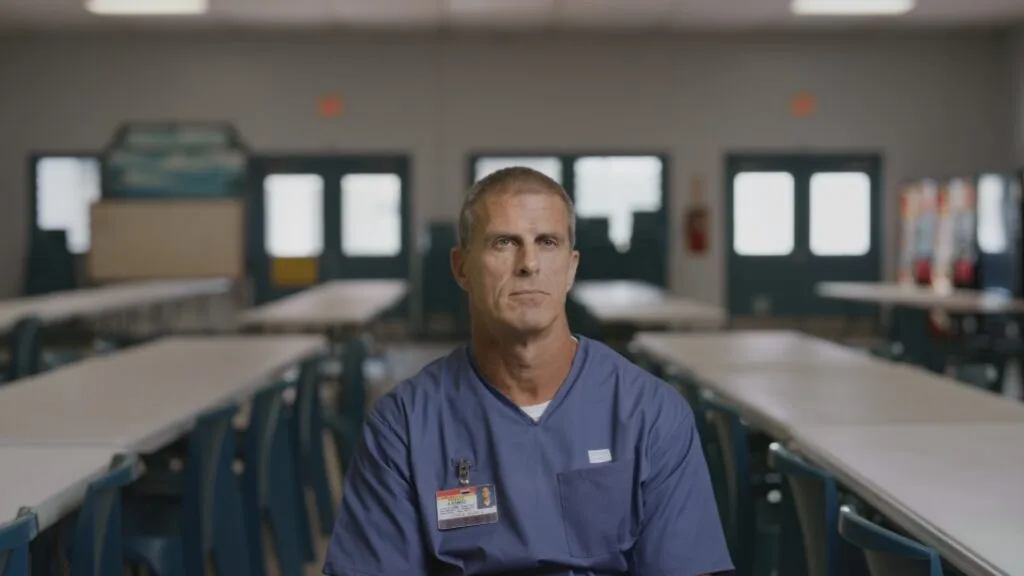
“It’s like being buried alive,” Todd Fickett, convicted of arson and serving time at the maximum-security Maine State Prison, said in the 2014 documentary.
Filmed at the prison across six months, Solitary Nation documented the realities of solitary confinement through the experiences of inmates living in isolation, officers who worked in the solitary or “segregation” unit, and a warden trying to scale back on solitary.
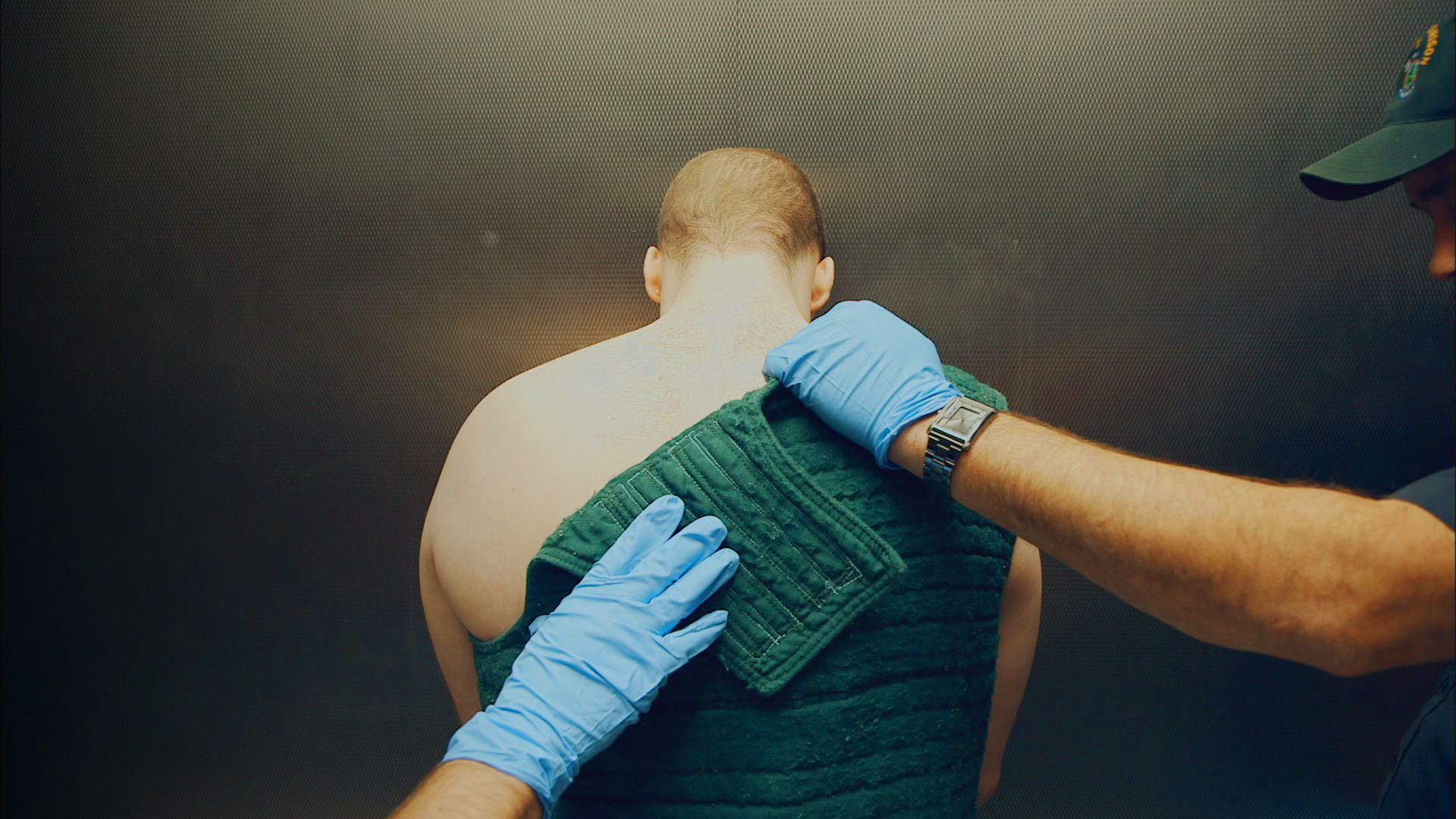
“The use of segregation has its place when you have real dangerous prisoners, but from my perspective, it is overused probably throughout the United States,” the warden, Rodney Bouffard, said in the documentary.
“It’s really dangerous, OK? If I have somebody that comes in with a five-year commitment, you can have them do their whole time in segregation,” Bouffard said. “But I don’t want him living next to me when you release him.”
Solitary Nation deeply examined the use and psychological impact of solitary confinement, and the dilemma playing out inside Maine State Prison’s walls: The longer inmates were left in solitary, the more disturbed they could become. But moving them out too soon could endanger staff and other prisoners — and those calculations were far from clear-cut.
As the documentary reported, solitary confinement began in the United States in the 1800s as a progressive experiment to see if isolation would reform criminals. It was soon largely abandoned because prisoners didn’t reform; they experienced drastic mental health declines. But in the 1980s, solitary re-emerged as a way to stamp out prison violence, and the U.S. would go on to hold more inmates in isolation than any other Western country. Proponents have described solitary as a necessary tool to keep order in American prisons; critics have said it’s both inhumane and counterproductive.
The stories Solitary Nation chronicled — and the questions the documentary posed about solitary confinement’s long-term effects — provide crucial context for that debate, and remain relevant today.
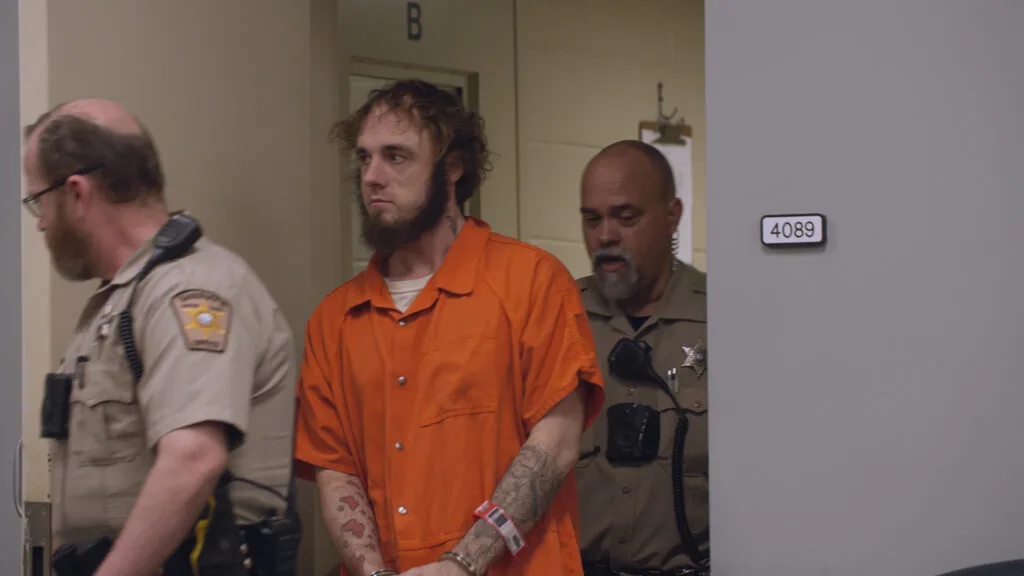
As he served his sentence at Maine State Prison for breaking someone’s jaw in a fight, Adam Brulotte was put in solitary confinement after starting a riot. Director Dan Edge asked Brulotte, who mentally deteriorated and began self-harming while in solitary, if he thought his time in isolation had changed him forever.
“I don’t know,” Brulotte answered. “I have to find out.”
Watch Solitary Nation on FRONTLINE’s YouTube channel now:
Watch the Documentary
Solitary Nation
With unprecedented access, FRONTLINE shows you what it's really like for prisoners who are serving time in solitary confinement

Senior Digital Writer, FRONTLINE
Related Documentaries
Latest Documentaries






Related Stories
Solitary Nation
Related Stories
Solitary Nation
Explore
Policies
Teacher Center

Jon and Jo Ann Hagler on behalf of the Jon L. Hagler Foundation
Corey David Sauer
Koo and Patricia Yuen
FRONTLINE is a registered trademark of WGBH Educational Foundation. Web Site Copyright ©1995-2025 WGBH Educational Foundation. PBS is a 501(c)(3) not-for-profit organization.
Funding for FRONTLINE is provided through the support of PBS viewers and by the Corporation for Public Broadcasting, with major support from Ford Foundation, and The Fialkow Family Foundation, as part of the Plum Bush Foundation. Additional funding is provided the Abrams Foundation, Park Foundation, John D. and Catherine T. MacArthur Foundation, Heising-Simons Foundation, and the FRONTLINE Trust, with major support from Jon and Jo Ann Hagler on behalf of the Jon L. Hagler Foundation, and Corey David Sauer, and additional support from Koo and Patricia Yuen. FRONTLINE is a registered trademark of WGBH Educational Foundation. Web Site Copyright ©1995-2025 WGBH Educational Foundation. PBS is a 501(c)(3) not-for-profit organization.