The Stories Holocaust Survivors Carried Until the End
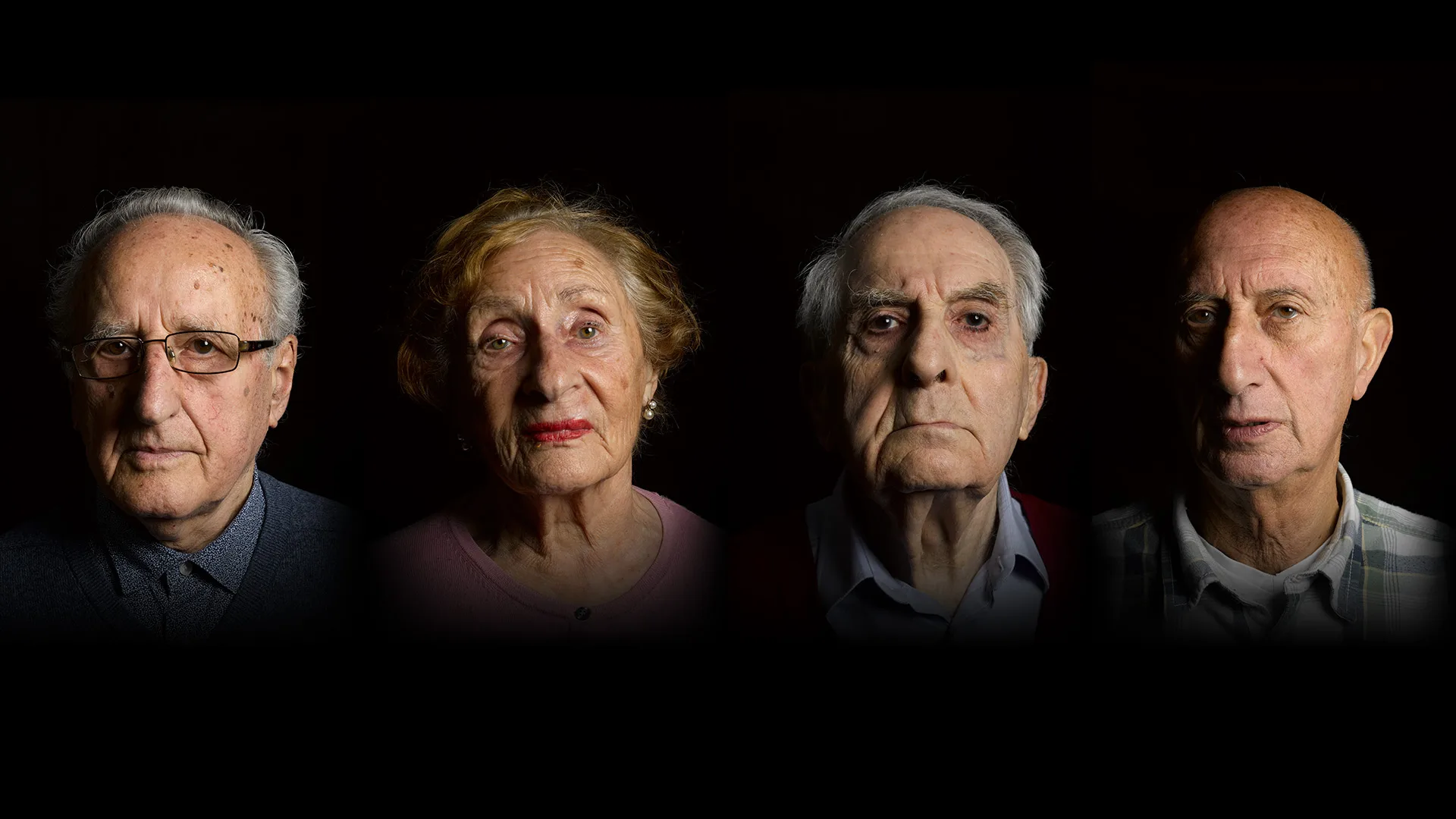
As time marches on, the number of Holocaust survivors left diminishes. These are the stories two survivors, who have since passed away, shared in the documentary “The Last Survivors.”
January 26, 2026
Share
Eighty-one years ago, soldiers from the Soviet Union’s Red Army liberated Auschwitz-Birkenau — the largest Nazi concentration and extermination camp established during World War II and the site where at least 1.1 million people were killed.
The camp’s liberation is internationally recognized as Holocaust Remembrance Day, in memory of the six million Jewish people and millions of other Europeans who died during the Nazi regime, and the victims who survived — the very youngest of whom are now in their late-70s.
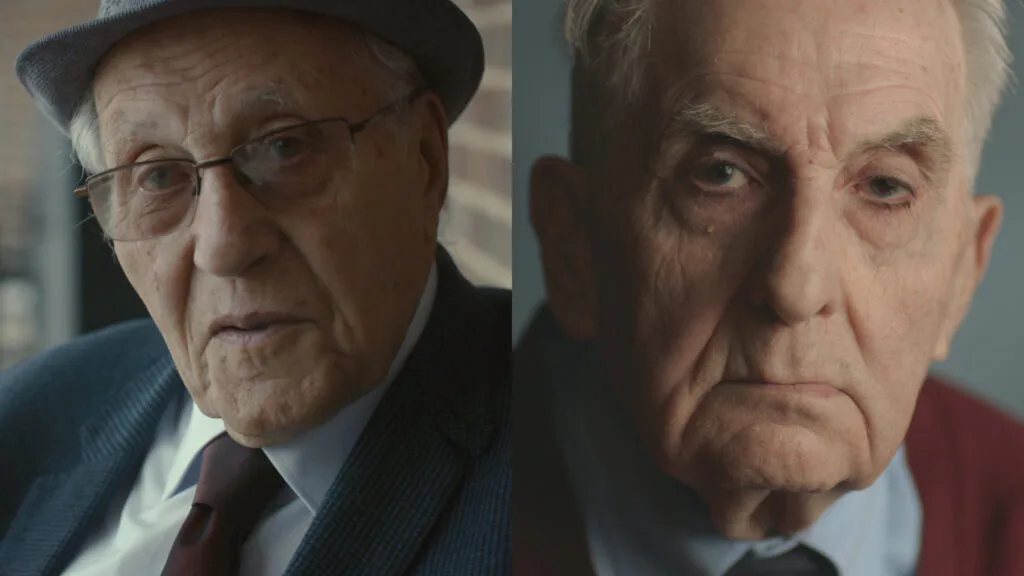
The 2019 FRONTLINE documentary The Last Survivors preserves some of the stories of these Holocaust survivors who lived through the atrocities as children. Many did not speak about their experiences for decades — including Manfred Goldberg, who was just 13 years old when he was brought to a concentration camp.
After five decades, Goldberg decided to share his story publicly when he reached his 70s. In the film, he said, “it will not be long before there will be no firsthand survivors alive, and it is important to record this testimony as evidence for future generations.”
As time marches on, the number of survivors left diminishes. Goldberg died in November last year at 95, while another survivor featured in the documentary, Frank Bright, passed away in August 2023 at age 94. These are the stories they shared in The Last Survivors that live on.
Watch a clip
'We spent the war together'
Goldberg described spending the whole war alongside his mother. “We were both selected to be moved at the same time to the same camps,” he said, adding that they were liberated together. “My younger brother, who was four years younger, he almost certainly did not survive.”
Goldberg last saw his brother, Hermann, in a Nazi camp. Goldberg was forced to go perform manual labor and when he returned, his brother and three other younger children were gone. “During the day they had been picked up by some SS members who had orders to pick them up,” Goldberg said, “and since then he appears to have vanished from the face of the earth.”
Watch a clip
A Prayer of Mercy
Hoping to one day find his brother alive, Goldberg avoided reciting a prayer for Hermann for decades, saying, “One hears of miraculous reunions where members of the family find each other after 60 years or more by pure chance.”
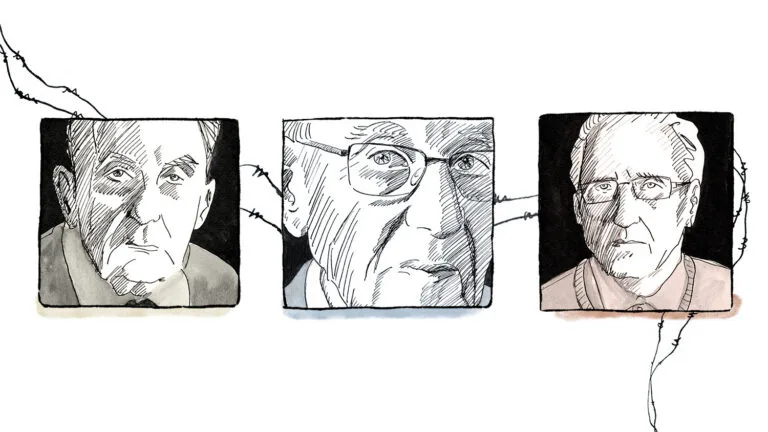
Drawn From Memory: The Holocaust
As the film chronicled, an organization in Goldberg’s hometown of Kassel, Germany, reached out to him to place Stolpersteine, or memorial stones, to mark the last place his family lived by choice before the war. Goldberg returned to Germany for the first time since the war and finally recited the Hebrew “Prayer of Mercy” for his lost brother. The memorial, he said, “acknowledges the murder of my brother, my dear brother. I am the only person in the world who knew him and loved him.”
Watch a clip
'Never lived a life at all'
Frank Bright saved a class picture from a Jewish school he attended when he was 14 years old. Tracking the fates of his classmates, he drew blue squares on the children who survived the Holocaust, and red squares on those who didn’t. Pointing to one of his classmates sent to Auschwitz, Bright said, “of his transport of 2,038 people, 144 survived.” A red square was drawn on a girl he recalled having a crush on.
“Not only did they die, but they obviously had no descendants,” he said. “They never lived a life at all.”
Watch a clip
'Which of the flames is my mother?'
At age 16, Bright arrived at Auschwitz with his mother, Toni, and he said they shared a quiet goodbye.
“I didn’t see my mother, but she saw me, and she broke ranks; she came out, came to me, shook my hand and went back,” Bright said.
The last time he saw his mother, they were separated at the end of a ramp. Bright recalled seeing flames later, and finding out what they meant. “It was then I realized what happened,” he said. “And I remember standing there looking at the flames and thinking, which of the flames is my mother?”
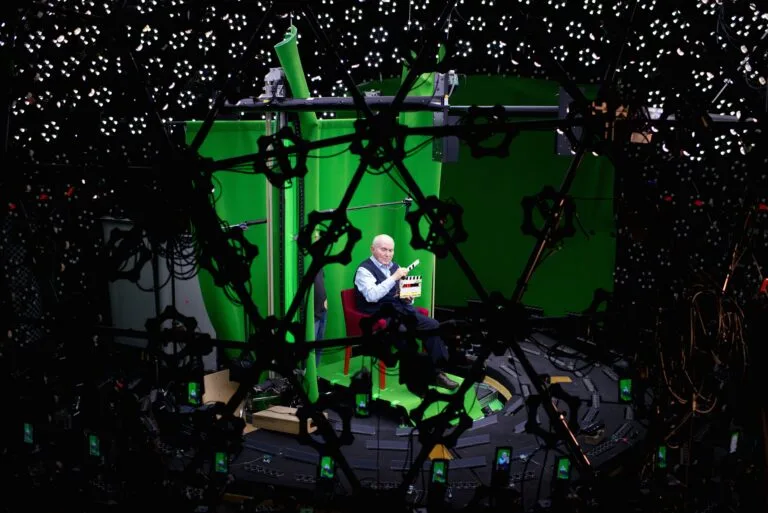
As firsthand witnesses to the Nazi regime’s crimes pass away, museums and educational foundations — like the Illinois Holocaust Museum & Education Center, which hosts a Holocaust survivor speaker series — emphasize the importance of bearing witness to survivors’ testimonies.
A spokesperson from the museum told FRONTLINE, “when we lose these firsthand voices, the history of the Holocaust risks being relegated to the abstract — and in the abstract, denial and distortion find room to grow,” adding, “as this generation passes, the burden of memory shifts from those who endured to those who listen.”
Watch the full documentary
The Last Survivors
Tow Journalism Fellow, FRONTLINE/Newmark Journalism School Fellowship, FRONTLINE
Email:
sunny_nagpaul@wgbh.orgRelated Documentaries
Latest Documentaries


Related Stories
How Technology Helps Preserve the Testimony of Holocaust Survivors
Holocaust Survivors Share Their Memories of Destroyed Childhoods
The Last Survivors
Drawn From Memory: The Holocaust
Related Stories
How Technology Helps Preserve the Testimony of Holocaust Survivors
Holocaust Survivors Share Their Memories of Destroyed Childhoods
The Last Survivors
Drawn From Memory: The Holocaust
Explore
Policies
Teacher Center

Jon and Jo Ann Hagler on behalf of the Jon L. Hagler Foundation
Corey David Sauer
Koo and Patricia Yuen
FRONTLINE is a registered trademark of WGBH Educational Foundation. Web Site Copyright ©1995-2025 WGBH Educational Foundation. PBS is a 501(c)(3) not-for-profit organization.
Funding for FRONTLINE is provided through the support of PBS viewers and by the Corporation for Public Broadcasting, with major support from Ford Foundation, and The Fialkow Family Foundation, as part of the Plum Bush Foundation. Additional funding is provided the Abrams Foundation, Park Foundation, John D. and Catherine T. MacArthur Foundation, Heising-Simons Foundation, and the FRONTLINE Trust, with major support from Jon and Jo Ann Hagler on behalf of the Jon L. Hagler Foundation, and Corey David Sauer, and additional support from Koo and Patricia Yuen. FRONTLINE is a registered trademark of WGBH Educational Foundation. Web Site Copyright ©1995-2025 WGBH Educational Foundation. PBS is a 501(c)(3) not-for-profit organization.