The Staggering Death Toll of Mexico’s Drug War
July 27, 2015
Share
Over the course of the wars in Afghanistan and Iraq, the number of civilian deaths has been staggering. In Afghanistan, more than 26,000 civilians are estimated to have died since the war began in 2001. In Iraq, conservative tallies place the number of civilians killed at roughly 160,500 since the U.S. invasion in 2003. Others have put the total closer to 500,000.
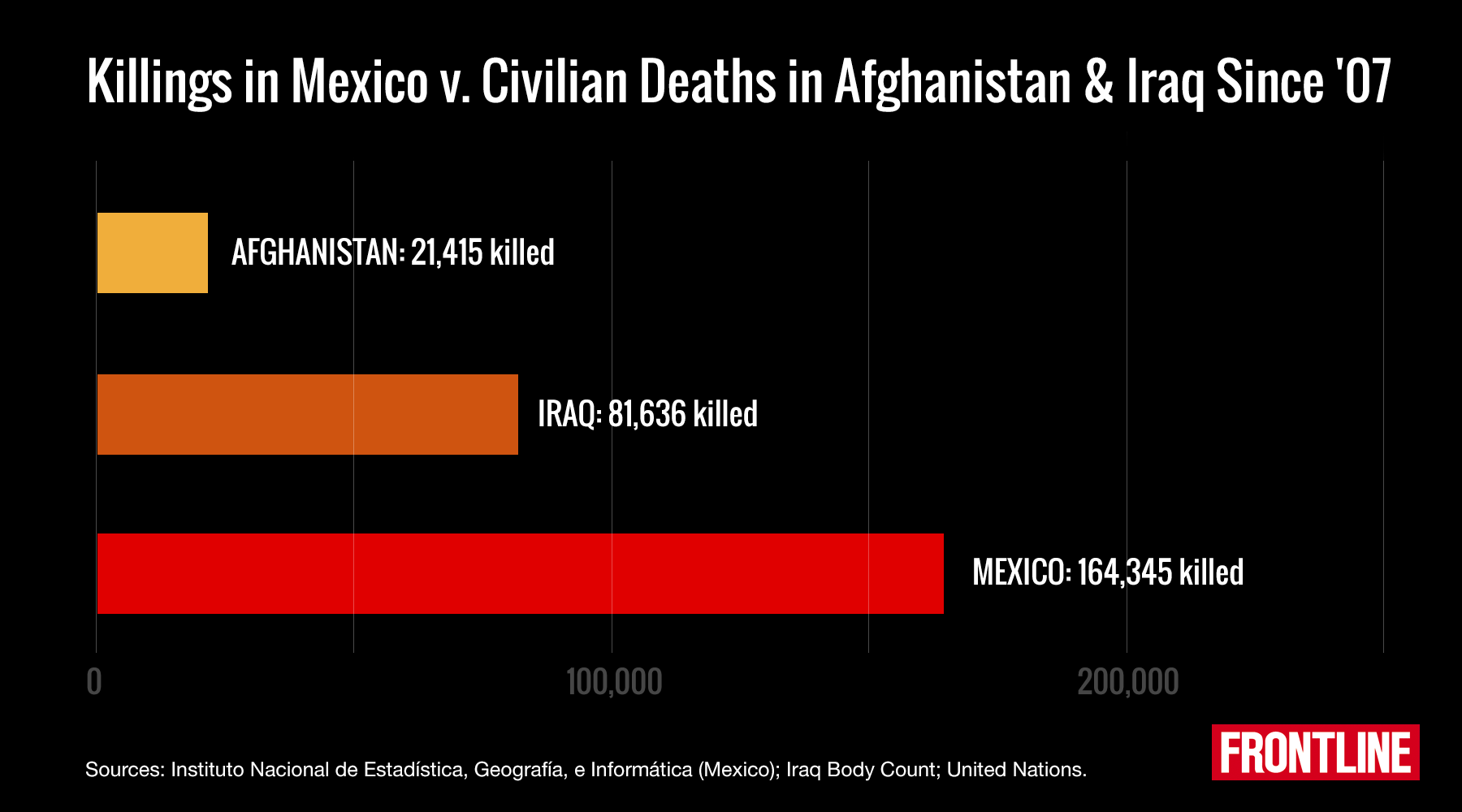
But as U.S. involvement in each nation has dropped off in recent years, killings much closer to home, in Mexico, have steadily, if quietly, outpaced the number of civilian deaths in Afghanistan and Iraq combined.
Last week, the Mexican government released new data showing that between 2007 and 2014 — a period that accounts for some of the bloodiest years of the nation’s war against the drug cartels — more than 164,000 people were victims of homicide. Nearly 20,000 died last year alone, a substantial number, but still a decrease from the 27,000 killed at the peak of fighting in 2011.
Over the same seven-year period, slightly more than 103,000 died in Afghanistan and Iraq, according to data from the United Nations and the website Iraq Body Count.
To be sure, the homicides documented in Mexico cannot all be linked directly to the drug war, and distinguishing drug-war violence from the raw totals can be fraught with challenges. Many murders are never investigated, and the Mexican government has not issued annual figures on organized-crime-style homicides — those believed to be the work of cartels — since 2010. Even when it did, such data was often knocked for being untrustworthy.
Some counts have blamed the drug war for as much as 55 percent of all homicides. Others have put the estimate as low as 34 percent. Yet those figures have likewise been criticized as unreliable. For example, someone killed by a high-caliber or automatic firearm would be counted as a victim of organized crime, but if they were strangled or stabbed to death, they would not necessarily be considered a casualty of the drug war.
“In any of this data, a lot of dead people are not counted,” said Molly Molloy, a border and Latin American specialist at New Mexico State University. Molloy has focused her research on counting the dead in Mexico, and in an interview with FRONTLINE said, “The violence engendered by the system as a whole in Mexico is so huge and affects so many people in various violent ways, I think you have to look at the murders as a whole, because how are you going to separate them?”
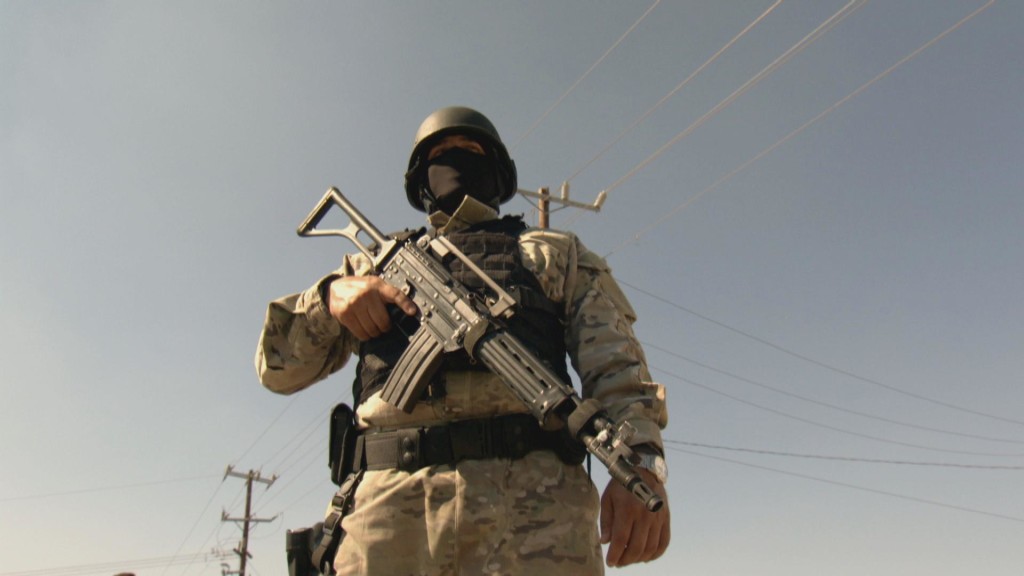
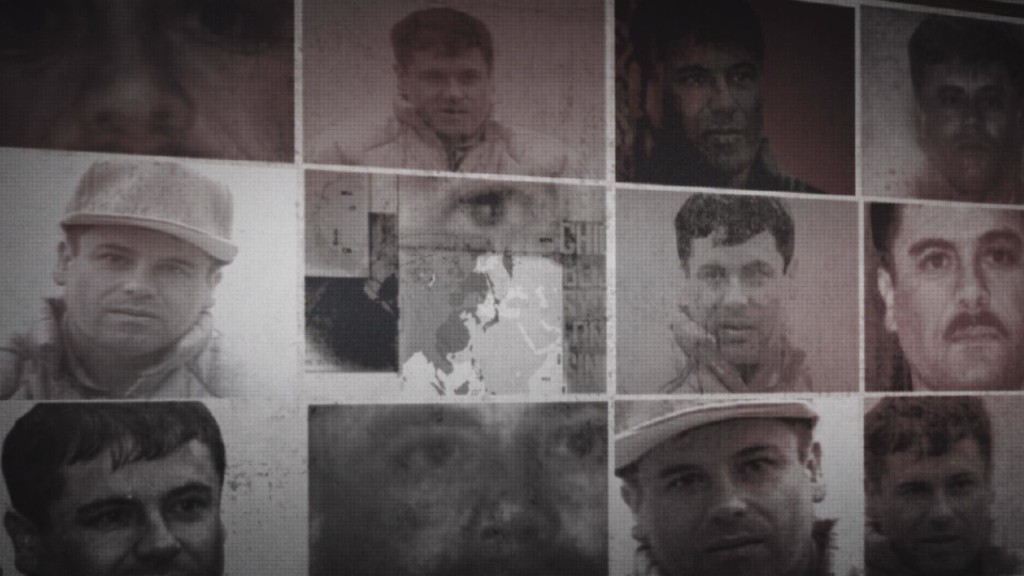
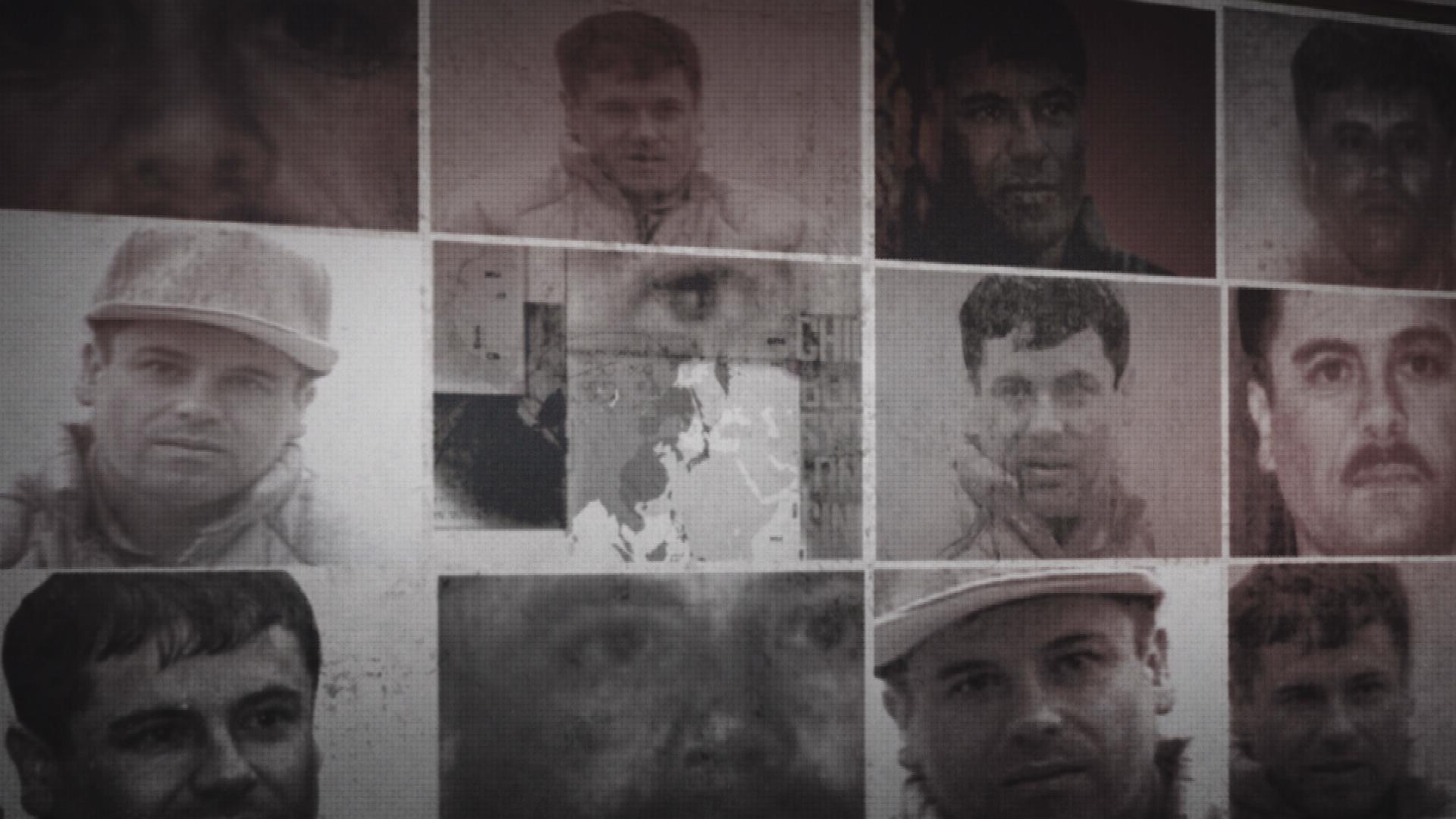
Whatever the true number, organized-crime-style killings continue to represent a substantial and lingering threat throughout Mexico. That danger was only underscored this month with the prison escape of Joaquín Guzmán Loera, the drug kingpin known as “El Chapo” (Shorty) who is widely considered among the most responsible for the violence there.
Related Film: Drug Lord: The Legend of Shorty

Former Digital Editor
Related Documentaries
Latest Documentaries




Related Stories
Drug Lord: The Legend of Shorty
Related Stories
Drug Lord: The Legend of Shorty
Explore
Policies
Teacher Center

Jon and Jo Ann Hagler on behalf of the Jon L. Hagler Foundation
Corey David Sauer
Koo and Patricia Yuen
FRONTLINE is a registered trademark of WGBH Educational Foundation. Web Site Copyright ©1995-2025 WGBH Educational Foundation. PBS is a 501(c)(3) not-for-profit organization.
Funding for FRONTLINE is provided through the support of PBS viewers and by the Corporation for Public Broadcasting, with major support from Ford Foundation, and Fialkow Family Foundation. Additional funding is provided the Abrams Foundation, Park Foundation, John D. and Catherine T. MacArthur Foundation, Heising-Simons Foundation, and the FRONTLINE Trust, with major support from Jon and Jo Ann Hagler on behalf of the Jon L. Hagler Foundation, and Corey David Sauer, and additional support from Koo and Patricia Yuen. FRONTLINE is a registered trademark of WGBH Educational Foundation. Web Site Copyright ©1995-2026 WGBH Educational Foundation. PBS is a 501(c)(3) not-for-profit organization.