Trump’s Tariff Strategy Can Be Traced Back to the 1980s
May 6, 2019
Share
In partnership with:

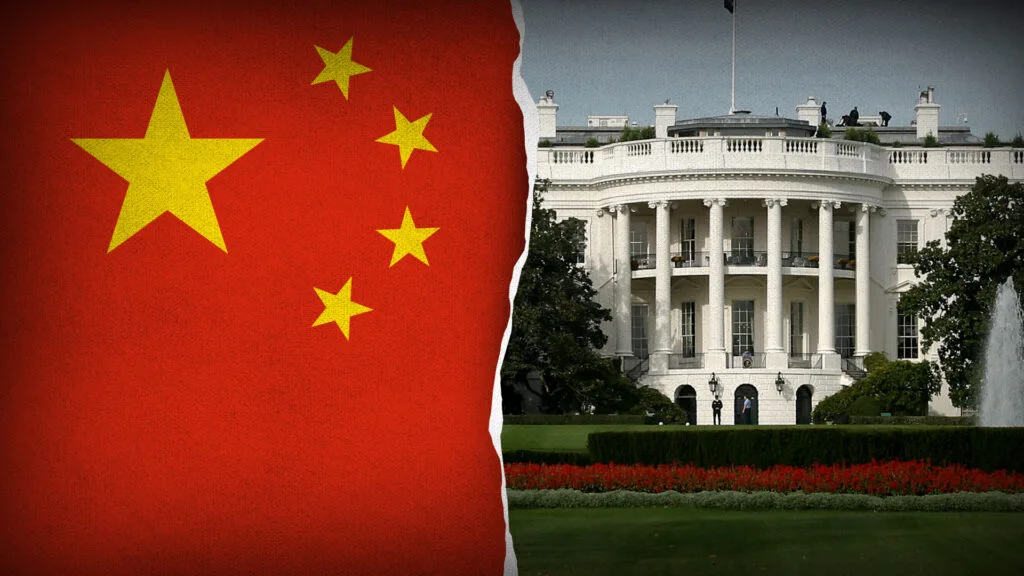
As Chinese officials prepared to head to Washington, D.C., for what was expected to be the final round of trade agreement negotiations, President Donald Trump threatened to increase tariffs on imports from the country. Trump’s decision to put tariffs on billions of dollars in Chinese imports last year shocked the world — as did his tweet on Sunday, in which he said he would impose levies on additional goods.
As FRONTLINE and NPR explore in the new documentary Trump’s Trade War, Trump has taken an aggressive stance on trade for decades. He has pushed a tariff strategy since he first toyed with the idea of running for president in the late 1980s — a message that bore notable similarities to the one that helped propel his 2016 campaign.
As the film recounts, Trump’s ire was then directed at Japan’s trade practices.
“The fact is, you don’t have free trade. We think of it as free trade, but you right now don’t have free trade,” Trump said in a 1987 episode of Larry King Live that’s excerpted in Trump’s Trade War. “A lot of people are tired of watching the other countries ripping off the United States. This is a great country.” He shared similar sentiments in an interview with Oprah.
“He believed from the beginning that there’s really nothing worse than being laughed at,” Marc Fisher, author of Trump Revealed, tells FRONTLINE and NPR in the above scene from the documentary. “And he came to see the Japanese as laughing at the United States and taking advantage of the United States by stealing the jobs, by dumping product here.”
After the Japanese economy cratered, though, Trump would shift his focus to a rising economic power: China. The first time former advisor Steve Bannon came face to face with Trump, a significant amount of their meeting was spent discussing China, Bannon says in the film.
“He’s been a guy that’s watched Lou Dobbs for 30 or 40 years,” Bannon says, referring to the TV commentator who has long criticized free trade and globalization. “And the only thing he had formed as a world view was China.”
That worldview would translate to a winning campaign promise: “The message is very simple, is that, ‘the elite shipped the jobs overseas and I’m going to bring them back,’” Bannon says.
For more on the face-off between the world’s two largest economic superpowers and the impact of it all on U.S. workers, watch Trump’s Trade War. From FRONTLINE producer Rick Young and his team and NPR correspondent Laura Sullivan, the documentary investigates the forces driving the administration’s confrontations with China, and tells the inside story of a rivalry that extends well beyond trade and tariffs.
Trump’s Trade War premieres Tuesday, May 7, 2019 on PBS, PBS.org/frontline, and the PBS Video App (check local listings). In addition to the documentary, listen for a report on NPR’s Morning Edition that same day (see stations and local broadcast times at NPR.org/stations).

Senior Digital Writer, FRONTLINE
Support provided by:
Learn More
Related Documentaries
Latest Documentaries

Related Stories
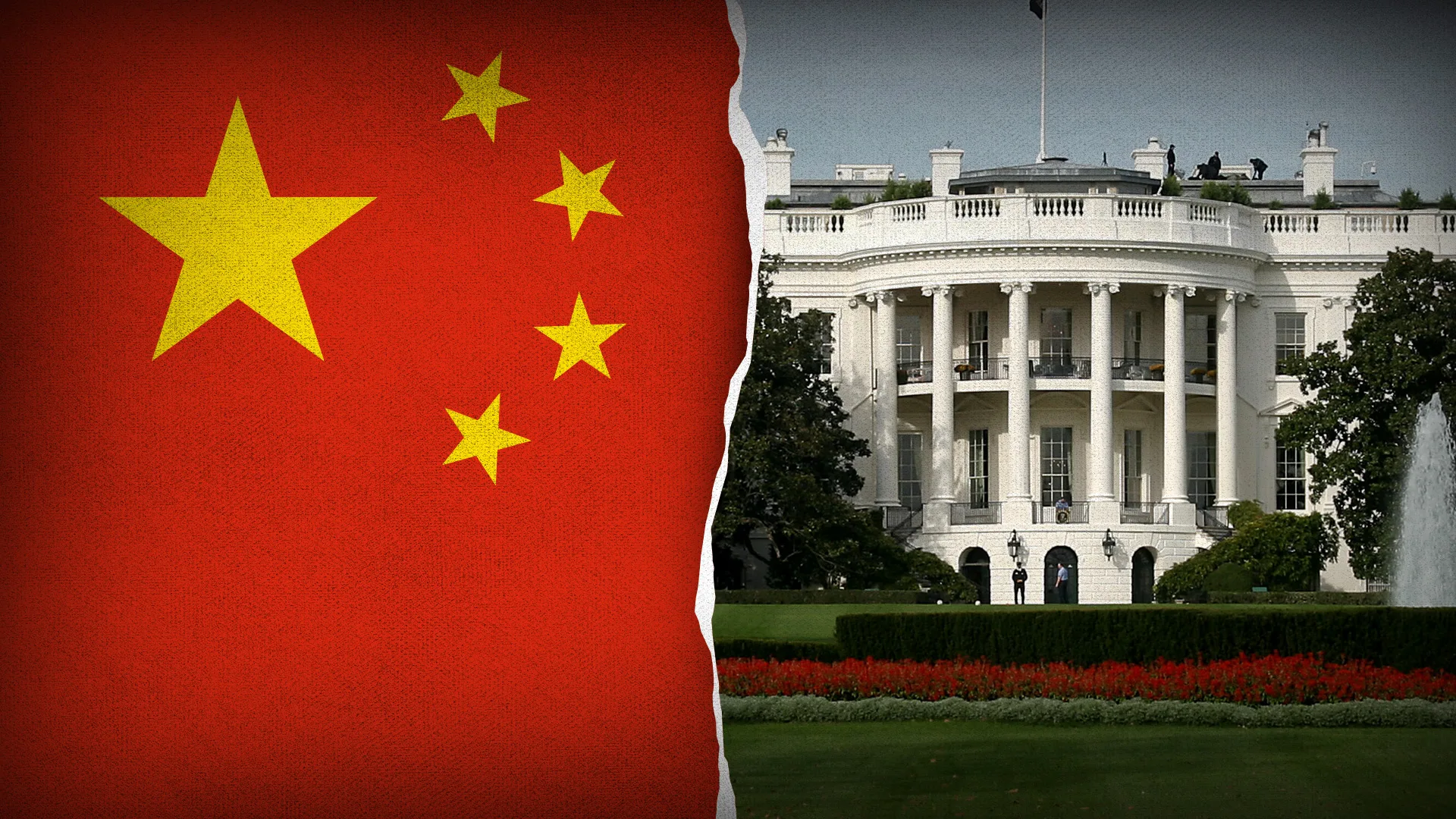
Trump’s Trade War
Related Stories
Trump’s Trade War
Explore
Policies
Teacher Center

Jon and Jo Ann Hagler on behalf of the Jon L. Hagler Foundation
Corey David Sauer
Koo and Patricia Yuen
FRONTLINE is a registered trademark of WGBH Educational Foundation. Web Site Copyright ©1995-2025 WGBH Educational Foundation. PBS is a 501(c)(3) not-for-profit organization.
Funding for FRONTLINE is provided through the support of PBS viewers and by the Corporation for Public Broadcasting, with major support from Ford Foundation, and Fialkow Family Foundation. Additional funding is provided the Abrams Foundation, John D. and Catherine T. MacArthur Foundation, Park Foundation, Heising-Simons Foundation, and the FRONTLINE Trust, with major support from Jon and Jo Ann Hagler on behalf of the Jon L. Hagler Foundation, and Corey David Sauer, and additional support from Koo and Patricia Yuen. FRONTLINE is a registered trademark of WGBH Educational Foundation. Web Site Copyright ©1995-2026 WGBH Educational Foundation. PBS is a 501(c)(3) not-for-profit organization.