Where to Watch FRONTLINE’s Documentary Investigating Claims About Iran’s Nuclear Program
‘Strike on Iran: The Nuclear Question’ investigates the status of Iran’s nuclear program amid the second round of U.S.-Israeli military action in less than a year.
April 1, 2026
Share
In the weeks since the U.S. and Israel began bombarding Iran, President Donald Trump has repeatedly justified the strikes by claiming Iran had posed an imminent nuclear threat.
But nine months earlier, in the wake of U.S. and Israeli strikes on Iran in June 2025, the message coming from Washington, D.C., was that Iran’s key nuclear facilities had been “obliterated.”
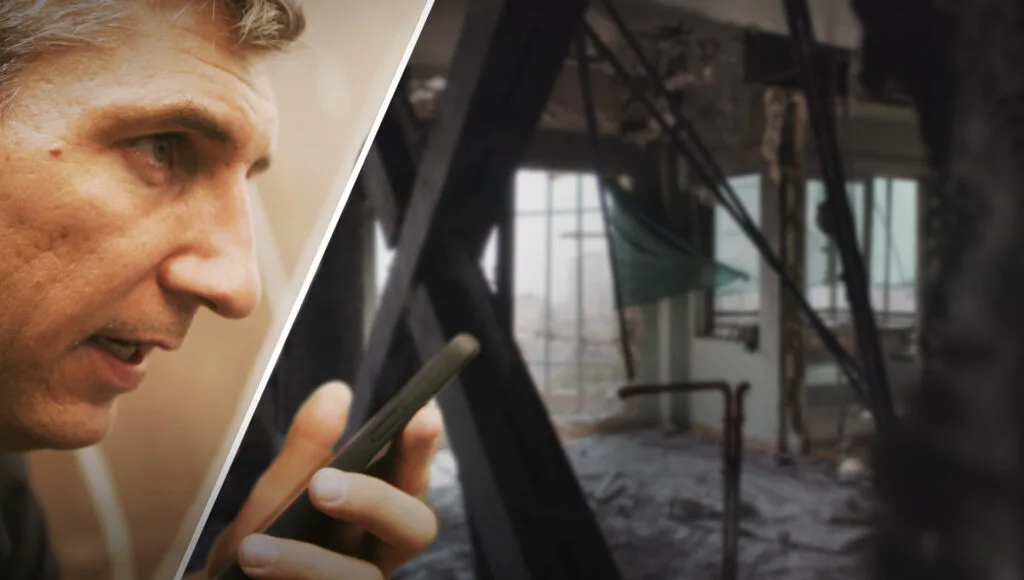
In Strike on Iran: The Nuclear Question, FRONTLINE and reporting partners at The Washington Post, Bellingcat and Evident Media investigate the status of Iran’s nuclear program amid the second round of U.S.-Israeli military action in less than a year.
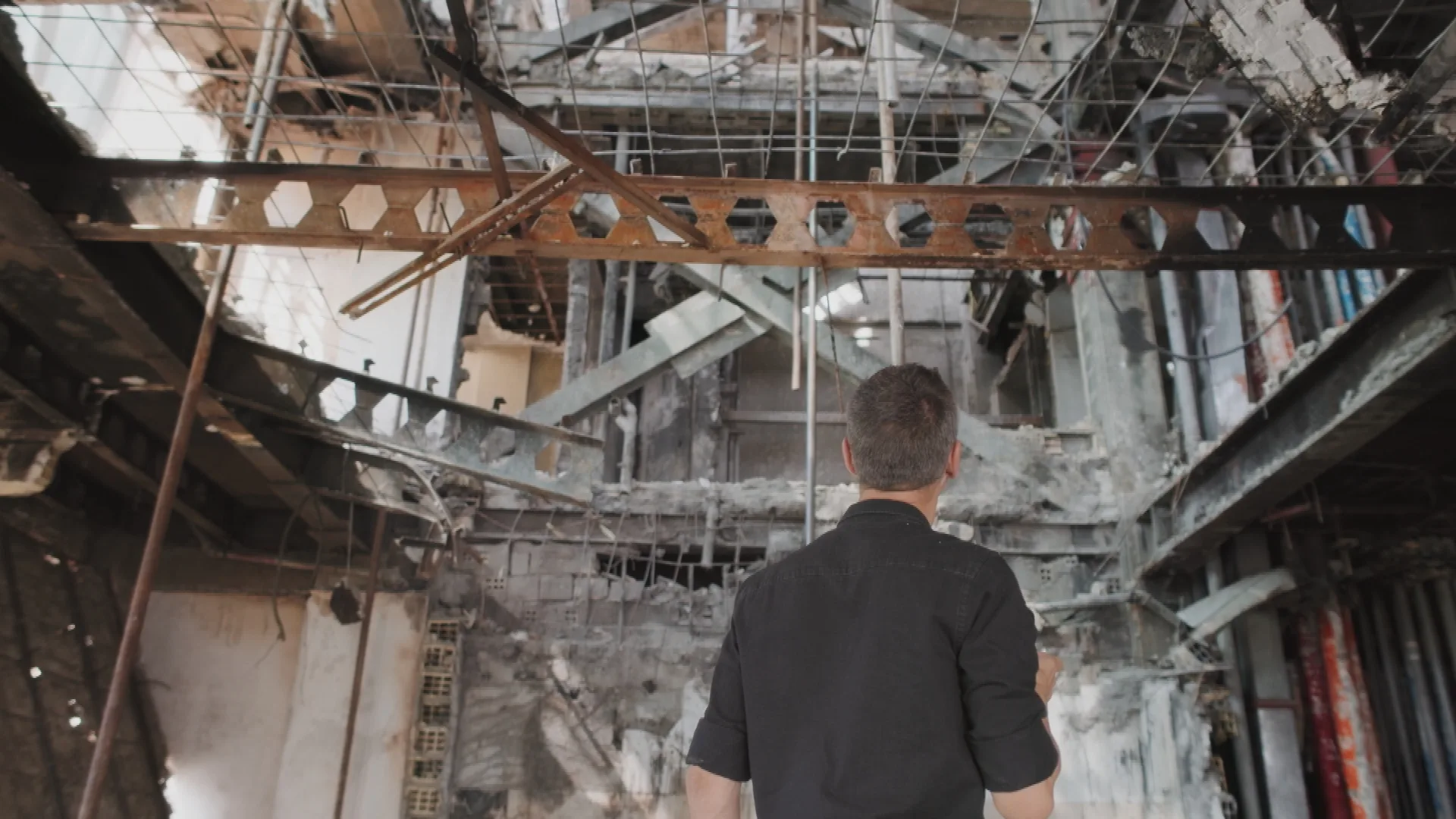
Drawing on new reporting, satellite imagery analysis and interviews — including with Rafael Grossi, the head of the International Atomic Energy Agency — the investigation is an updated presentation of the December 2025 documentary by the same name.
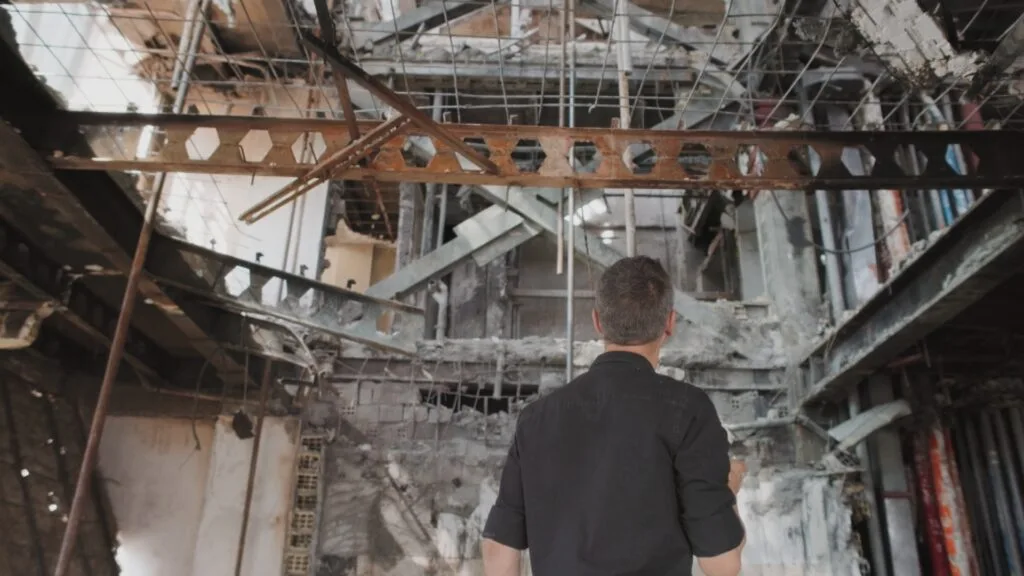
In September of last year, directors Adam Desiderio and Sebastian Walker, who is also the film’s correspondent, visited sites hit in the June 2025 U.S.-Israeli strikes and sat down with one of Iran’s most powerful officials, Ali Larijani — in what turned out to be the last on-camera interview he gave to an American news outlet before his assassination earlier this month in an Israeli airstrike.
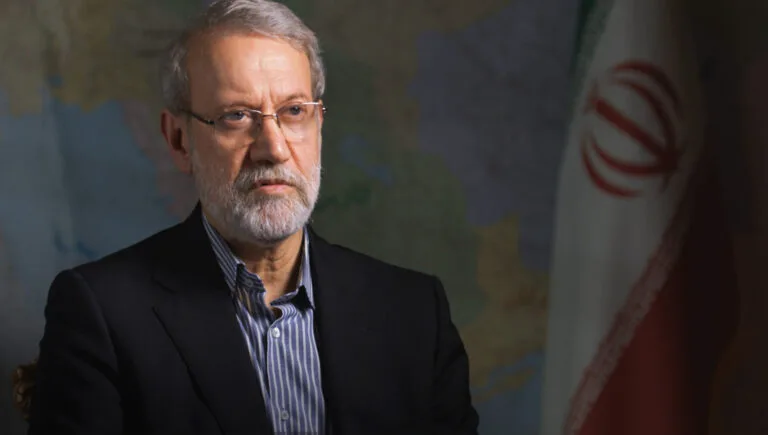
Since the current war began, Walker and Desiderio have been talking to experts and officials and analyzing satellite imagery with The Washington Post, Bellingcat and Evident Media to try to understand the truth about what remains of Iran’s nuclear program, and the claims that Iran was within close reach of a nuclear weapon.
“In the runup to this war, there was no new intelligence indicating that Iran had made massive strides forward in its nuclear program or ballistic missile program,” Warren Strobel, The Washington Post’s national intelligence reporter, said in the film.
As for the three major Iranian nuclear facilities targeted in the June 2025 strikes — Isfahan, Fordow and Natanz — the reporting team did not see “any major attempts to reconstitute or reconstruct these sites” before the new U.S.-Israeli bombing campaign, Jarrett Ley, a visual forensics reporter at The Washington Post, said.
The reporting team also found no evidence that Iran has tried to retrieve a stockpile of enriched uranium that’s believed to be buried under the rubble of last year’s strikes on Isfahan.
“We believe that it’s there,” but “one cannot exclude completely without inspecting,” Grossi, the IAEA head, told Walker of that stockpile, expressing frustration that his inspectors were still blocked from Iran’s key nuclear sites. “We lost the necessary continuity of knowledge to be able to confirm that everything in Iran was in peaceful use,” he said.
The reporting team’s full findings unfold in the documentary, offering valuable insights into a continuing conflict that has rippled across the Middle East, killing thousands — including children at an elementary school — and displacing millions.
Watch the Documentary
Strike on Iran: The Nuclear Question
An investigation of the status of Iran’s nuclear program amid the second round of U.S.-Israeli military action in less than a year

Senior Digital Writer, FRONTLINE
Related Documentaries
Latest Documentaries

Related Stories
Strike on Iran: The Nuclear Question
Related Stories
Strike on Iran: The Nuclear Question
Explore
Policies
Teacher Center

Jon and Jo Ann Hagler on behalf of the Jon L. Hagler Foundation
Corey David Sauer
Koo and Patricia Yuen
FRONTLINE is a registered trademark of WGBH Educational Foundation. Web Site Copyright ©1995-2025 WGBH Educational Foundation. PBS is a 501(c)(3) not-for-profit organization.
Funding for FRONTLINE is provided through the support of PBS viewers and by the Corporation for Public Broadcasting, with major support from Ford Foundation, and The Fialkow Family Foundation, as part of the Plum Bush Foundation. Additional funding is provided the Abrams Foundation, Park Foundation, John D. and Catherine T. MacArthur Foundation, Heising-Simons Foundation, and the FRONTLINE Trust, with major support from Jon and Jo Ann Hagler on behalf of the Jon L. Hagler Foundation, and Corey David Sauer, and additional support from Koo and Patricia Yuen. FRONTLINE is a registered trademark of WGBH Educational Foundation. Web Site Copyright ©1995-2025 WGBH Educational Foundation. PBS is a 501(c)(3) not-for-profit organization.