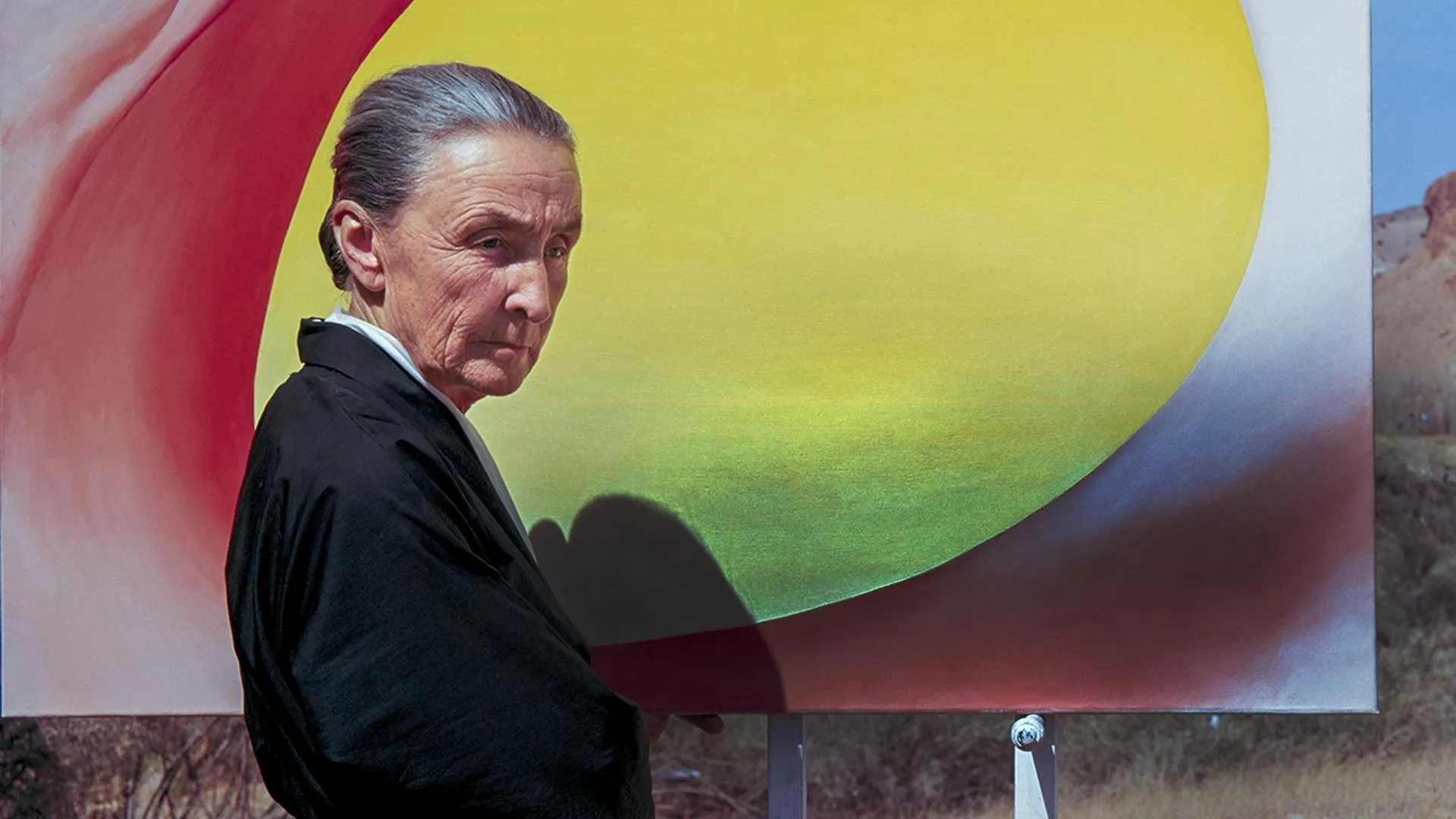
1930 Chiura Obata Evening Glow on Yosemite Falls
GUEST: I brought a woodblock print that's been in my family for quite some time. I know it's by Chiura Obata, but I don't know a ton more about the painting itself, aside from it having been in my family since around 1940 or earlier.
APPRAISER: Okay, and then we have a picture that you brought in.
GUEST: Mm-hmm.
APPRAISER: Can you tell me what's going on in the picture?
GUEST: This is my grandfather.
APPRAISER: Mm-hmm.
GUEST: My great-grandfather, great-grandmother, and my grandfather's siblings. And this is in San Pedro, California, which is the L.A. area. And the painting is here in the background.
APPRAISER: The exact one that we're looking at right now.
GUEST: Mm-hmm, the same one.
APPRAISER: The artist's life is really fascinating.
GUEST: Okay.
APPRAISER: Um, he was born in 1885, in Japan. And at an early age, he already was a, a, apprenticing to learn sumi-e painting-- line painting, essentially. And he emigrated to the United States in 1903. When in the United States, he became fairly successful fairly quickly, despite a lot of racism and xenophobia.
GUEST: Mm-hmm.
APPRAISER: And there are a lot of stories about him having to run away from ruffians. And this was a difficult time in, in, in history...
GUEST: Mm-hmm.
APPRAISER: ...for Japanese, uh, immigrants to America.
GUEST: Mm-hmm.
APPRAISER: His talents really kept him going. He became a very successful commercial illustrator. One of the subjects that he did love painting was nature, and he loved going into the Sierra Nevadas, and he loved going into Yosemite. The title of this is Evening Glow of Yosemite Waterfall. This is someone who sought to convey the feelings that we would get from being there. He wanted to bring into his artistic oeuvre and production some of his Japanese techniques. And one of the Japanese techniques that he would, of course, bring in would have, would have been woodblock printing. There was a company that made woodblock prints from these watercolor drawings that he made for the, this exact "World of Art" Yosemite book that basically showcased his love of these California landscapes.
GUEST: Okay.
APPRAISER: This was around 1930. Now, this piece is from that series. It's signed and dated, uh, "Chiura Obata, 1930." But there's another part to the history here. When World War II happened, we all know that, unfortunately-- and this is an, a very unfortunate part of American history-- that a lot of Japanese Americans were interned. Just looking at this picture, for example, that you brought, which is of your greater family...
GUEST: Yes.
APPRAISER: ...what can you tell us?
GUEST: They were interned. Before the internment, my great-grandfather was imprisoned under unfounded suspicion of having dealings with the Japanese military. When he did get out, he passed away a day later. And then shortly after that, the rest of the family was interned. But while they were in internment camp, a good friend and neighbor took care of all their belongings. So that's how we are fortunate enough to still have this painting.
APPRAISER: The artist himself was also interned.
GUEST: Right.
APPRAISER: Even being a professor at U.C.-Berkeley, even owning a shop on Telegraph Avenue. The shop itself was attacked.
GUEST: Wow.
APPRAISER: And he himself was sent to an internment camp.
GUEST: Okay.
APPRAISER: And the really interesting thing about this is that at the internment camps, he actually started some programs for education and art schools.
GUEST: Hm, interesting.
APPRAISER: Even those these were prints, they were really considered masterworks. They were printed in very limited editions of only 100.
GUEST: Oh.
APPRAISER: We don't know how many of them exist anymore. Have you ever thought about value or how much you might value it for?
GUEST: I have no idea.
APPRAISER: If I was going to put an insurance value on this today, because I'm assuming you'd probably want to insure it for the family...
GUEST: Definitely.
APPRAISER: ...I would easily insure it at $20,000.
GUEST: Wow. (laughs) Okay. (laughing) Wow-- that's amazing.
$20,000 Insurance
Featured In
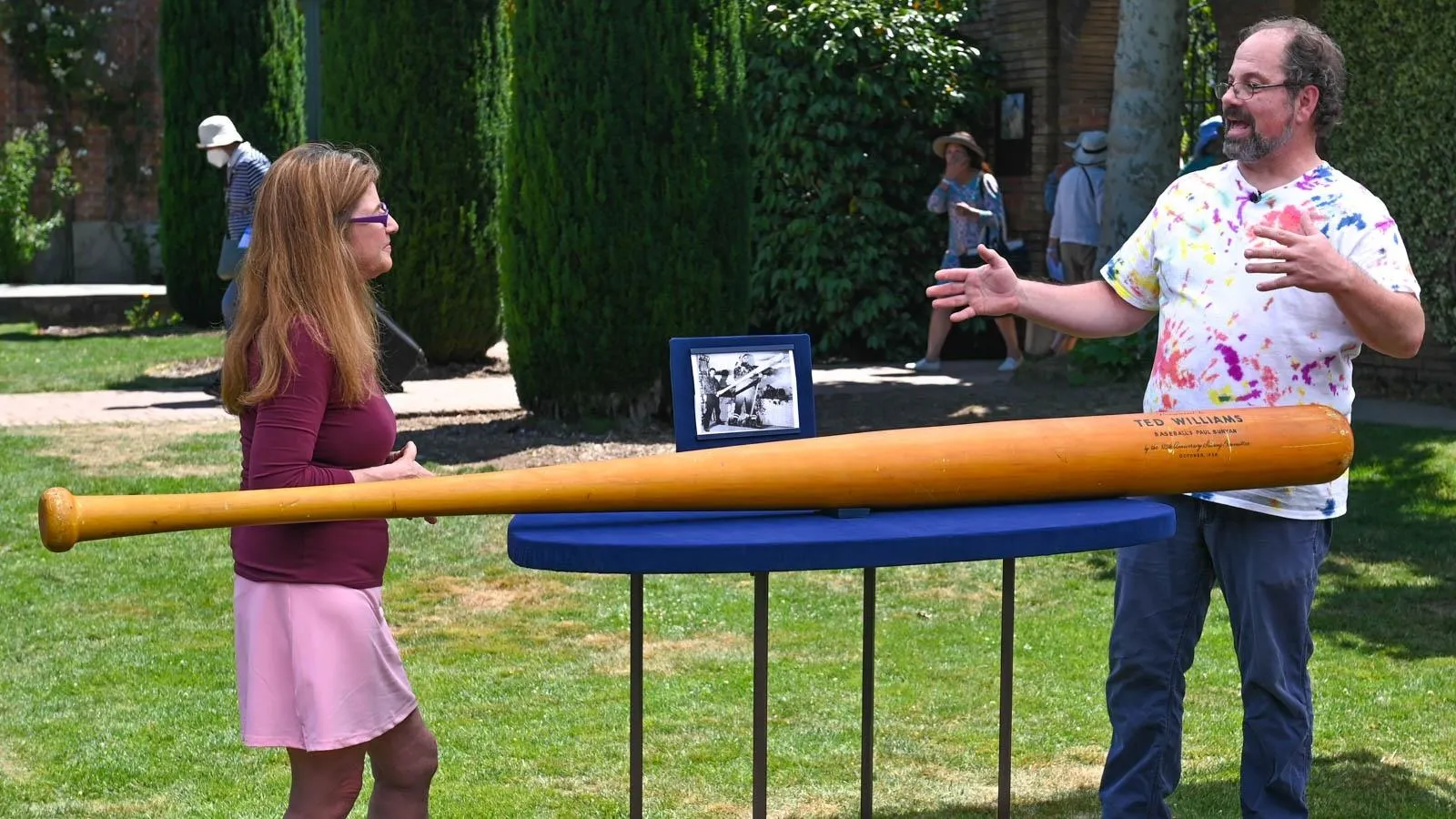
episode
Filoli, Hour 2
Golden State treasures shine at Filoli, with an appraisal valued up to $150,000!
Woodcut
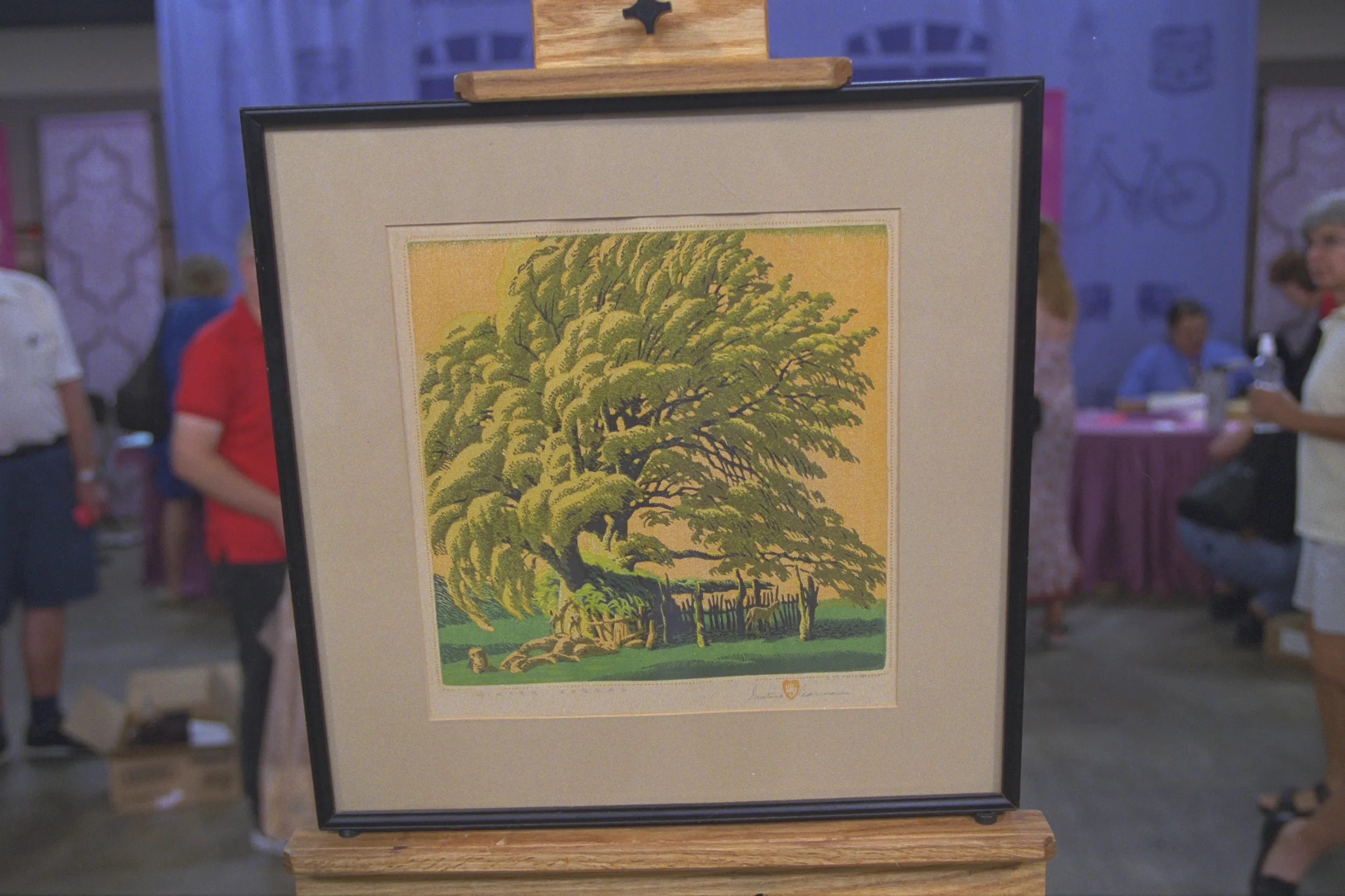
appraisal
Gustave Baumann Woodcut, ca. 1940

appraisal
Signed Alexander Calder Woodcut Invitation, ca. 1926
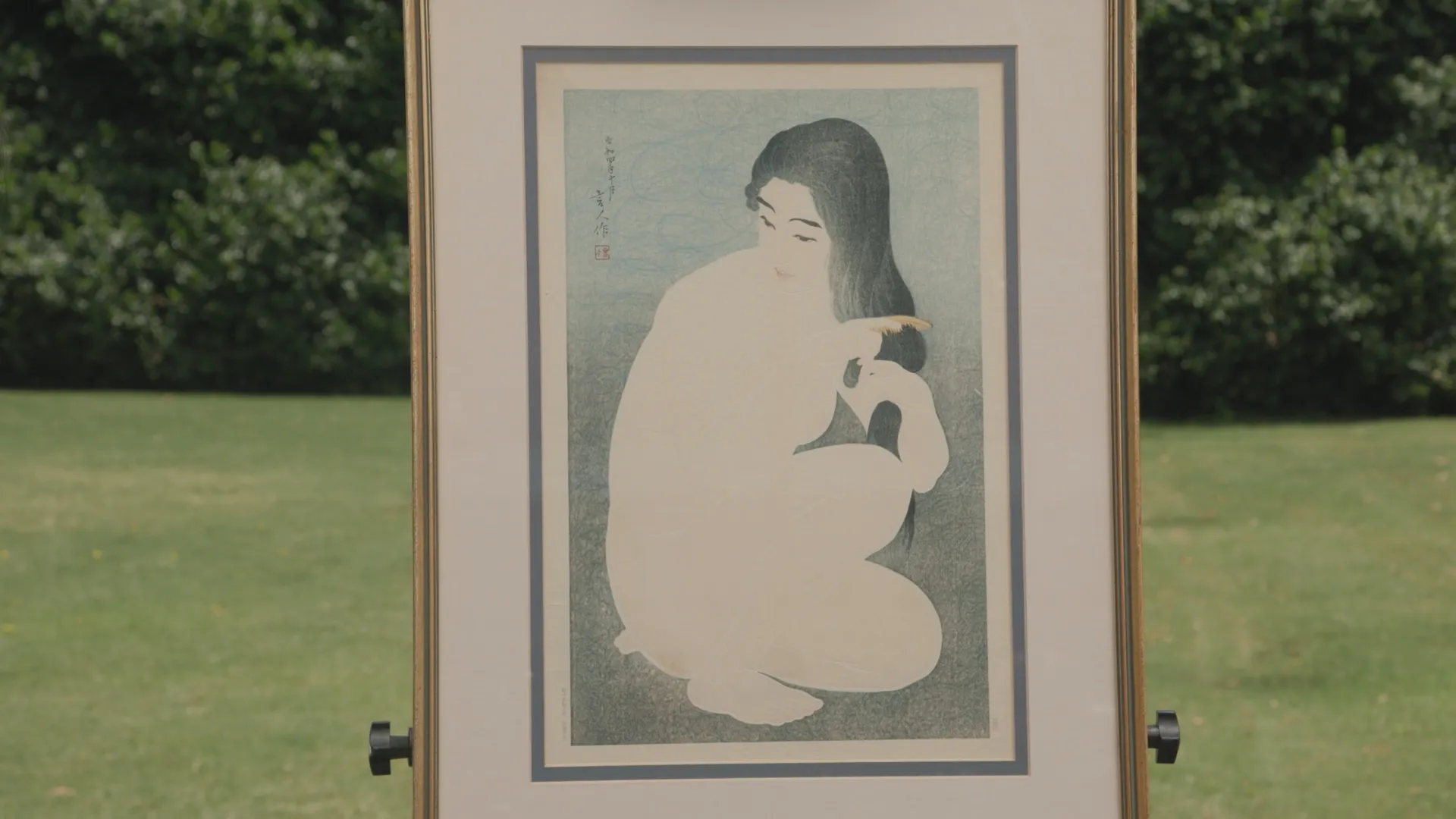
appraisal
Torii Kotondo Kamisuki Woodblock Print, ca. 1930
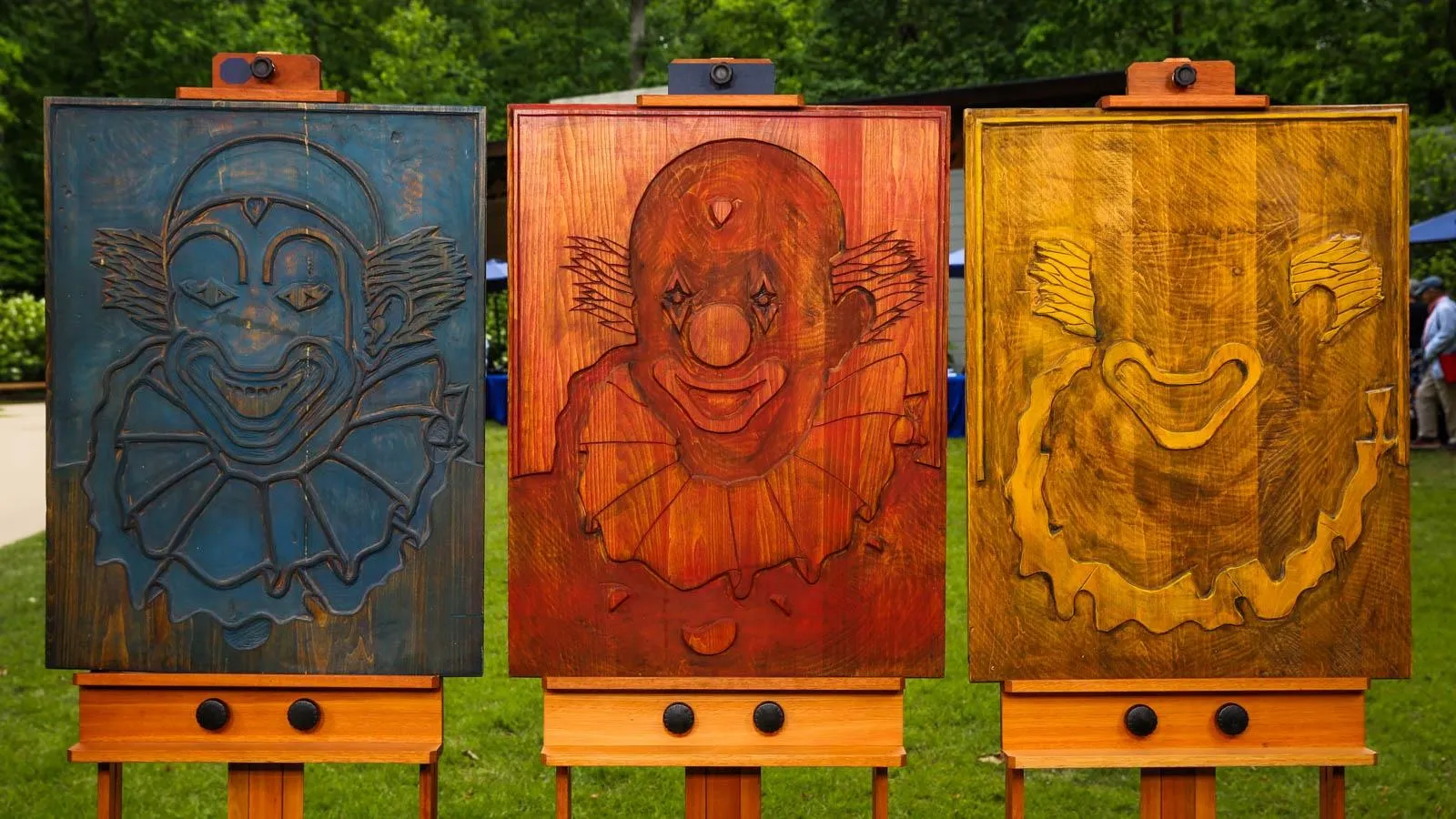
appraisal
Neal Walters Circus Poster & Woodblocks, ca. 1950
Understanding Our Appraisals
Executive producer Marsha Bemko shares her tips for getting the most out of ANTIQUES ROADSHOW.
Value can change: The value of an item is dependent upon many things, including the condition of the object itself, trends in the market for that kind of object, and the location where the item will be sold. These are just some of the reasons why the answer to the question "What's it worth?" is so often "It depends."
Note the date: Take note of the date the appraisal was recorded. This information appears in the upper left corner of the page, with the label "Appraised On." Values change over time according to market forces, so the current value of the item could be higher, lower, or the same as when our expert first appraised it.
Context is key: Listen carefully. Most of our experts will give appraisal values in context. For example, you'll often hear them say what an item is worth "at auction," or "retail," or "for insurance purposes" (replacement value). Retail prices are different from wholesale prices. Often an auctioneer will talk about what she knows best: the auction market. A shop owner will usually talk about what he knows best: the retail price he'd place on the object in his shop. And though there are no hard and fast rules, an object's auction price can often be half its retail value; yet for other objects, an auction price could be higher than retail. As a rule, however, retail and insurance/replacement values are about the same.
Verbal approximations: The values given by the experts on ANTIQUES ROADSHOW are considered "verbal approximations of value." Technically, an "appraisal" is a legal document, generally for insurance purposes, written by a qualified expert and paid for by the owner of the item. An appraisal usually involves an extensive amount of research to establish authenticity, provenance, composition, method of construction, and other important attributes of a particular object.
Opinion of value: As with all appraisals, the verbal approximations of value given at ROADSHOW events are our experts' opinions formed from their knowledge of antiques and collectibles, market trends, and other factors. Although our valuations are based on research and experience, opinions can, and sometimes do, vary among experts.
Appraiser affiliations: Finally, the affiliation of the appraiser may have changed since the appraisal was recorded. To see current contact information for an appraiser in the ROADSHOW Archive, click on the link below the appraiser's picture. Our Appraiser Index also contains a complete list of active ROADSHOW appraisers and their contact details and biographies.