Painting, ca. 1920
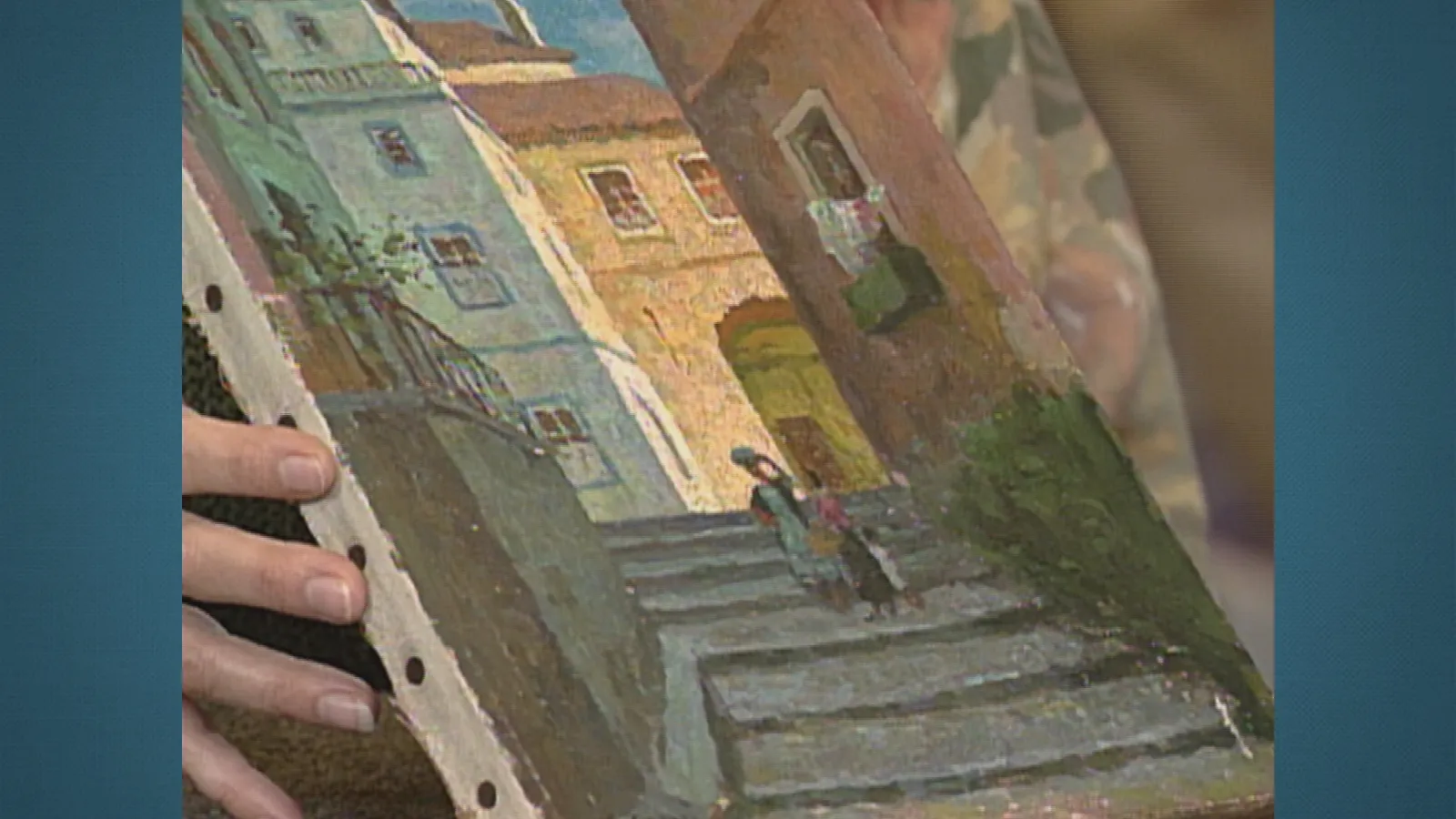
GUEST 1: This is a painting that I found at a flea market in Wilmington, Vermont. What caught my attention was that I saw the, the yellow, uh, painting where...
APPRAISER: Mm-hmm.
GUEST 1: ...the, the light was coming through, and I was very struck by the beauty of the painting.
APPRAISER: Right, so you bought it just 'cause you liked it, do you have any idea who it might be by or anything?
GUEST 1: Well, I was looking through a magazine…
APPRAISER: Mm-hmm.
GUEST 1: ...and something caught my eye. A signature in another painting…
APPRAISER: Right.
GUEST 1: and I called and I found out who that artist was.
APPRAISER: Uh-huh.
GUEST 1: Once I found out who the artist was, then I began researching who the painting might be.
APPRAISER: And who do you think that-that artist might be?
GUEST 1: Uh, Paul Gauguin.
APPRAISER: Uh-huh, okay, a famous, uh, 19th century French painter, yeah.
GUEST 1: Yes.
APPRAISER: Talking the signature, that's a little bit of a stretch. First of all, because it starts with a "C" rather than a "P..."
GUEST 1: Mm-hmm.
APPRAISER: ...and we can see that right there. And also, um, and there is a "G," which is similar to his work. But the rest of it is not completely, uh, convincing that it is by Gauguin. But the most overwhelming piece of evidence is really the materials it's made out of.
GUEST 1: Mm-hmm.
APPRAISER: Gauguin was known to use very rough canvas. It looks almost like burlap. Um, this canvas is actually much newer than-than he could even paint it on-- this was probably, um, manufactured no earlier than maybe 1920. The weave of the canvas is too fine. You can see that down here.
GUEST 1: Mm-hmm.
APPRAISER: And the type of stretchers that are o-- it's on are much newer than, um, he could have painted on. He died in 1903.
GUEST 1: Mm-hmm.
APPRAISER: This is in inches-- exactly nine by 12 inches, indicates that it's of English or American origin…
GUEST 1: Mm-hmm.
APPRAISER: ...which pretty much negates, um, it being French, which would have been a metric, um, measurement. So I think what you have is something done by, um, an Englishman or American, um, in the south of France, uh, sometime in the early part of the century. There is a similarity in the signature…
GUEST 1: Mm-hmm.
APPRAISER: ...but I think, unfortunately, it's not a, uh, a Gauguin.
GUEST: Well, we know that people, uh, they do copy other people's signatures and that kind of stuff. So we knew that that was a possibility, um.
APPRAISER: Yeah. Yeah. Given the fact it's an atypical subject matter, the-the signature's not quite right, and these, the-the-the materials aren't there. I think it doesn't have that much of a chance, unfortunately.
GUEST 1: Mm-hmm.
APPRAISER: I wish it-- or it were, for you, but it's not.
GUEST 2: Well, at least now we know.
APPRAISER: Yeah, actually, something like this probably would be worth maybe $100 to $200.

$100 - $200
$100 - $200
Photos
Featured In
episode
Vintage First Finds, Hour 2
Premier vintage finds from ROADSHOW’s first season! Do values hold up in today’s market? — Premiered Mon, Sept 28, 2026
2D Art
appraisal
1918 Sallie Coyne Rookwood Vellum Plaque
appraisal
John Wayne Memorabilia, ca. 1950
appraisal
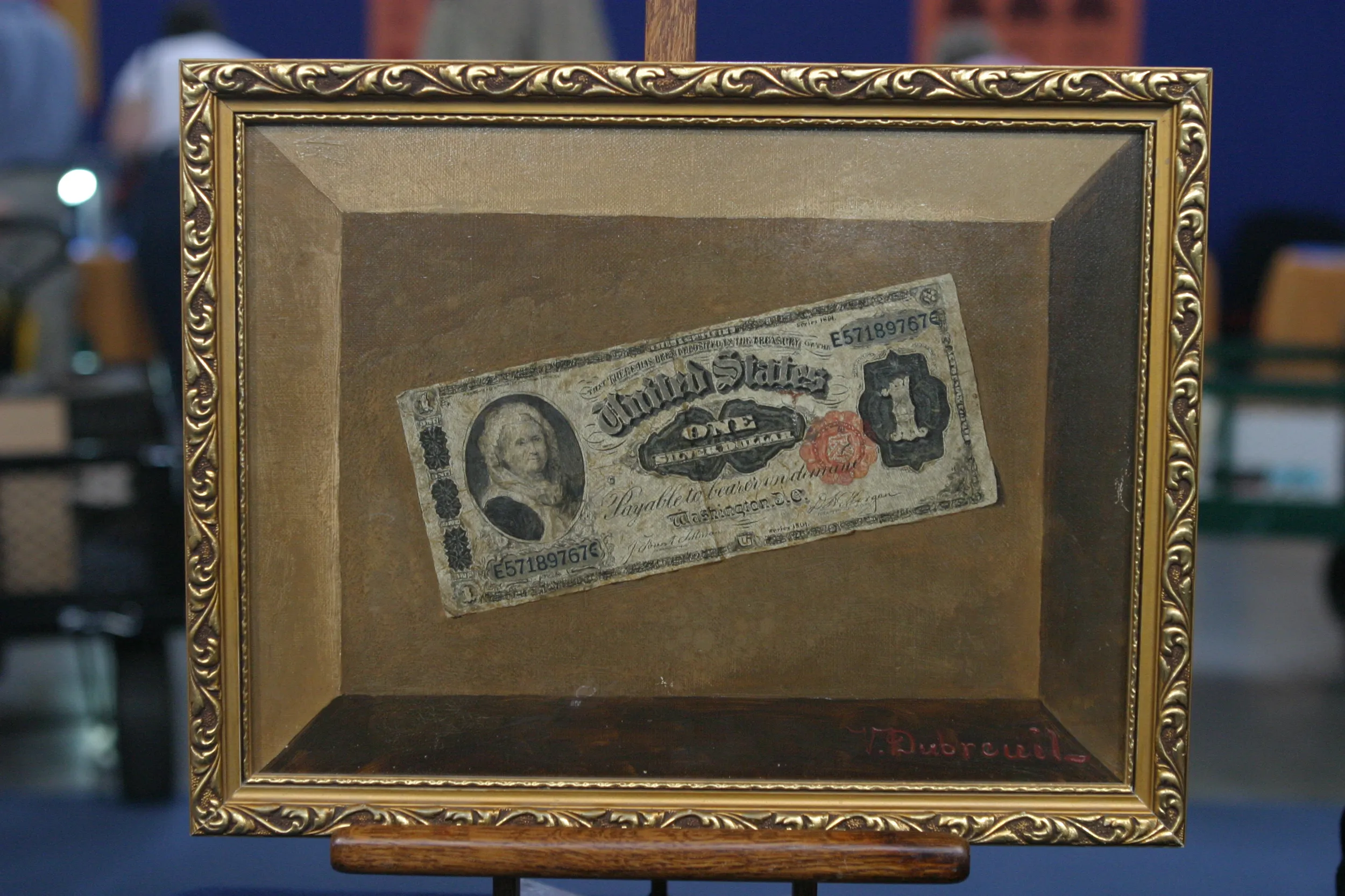
Victor Dubreuil Oil Painting, ca. 1891
appraisal
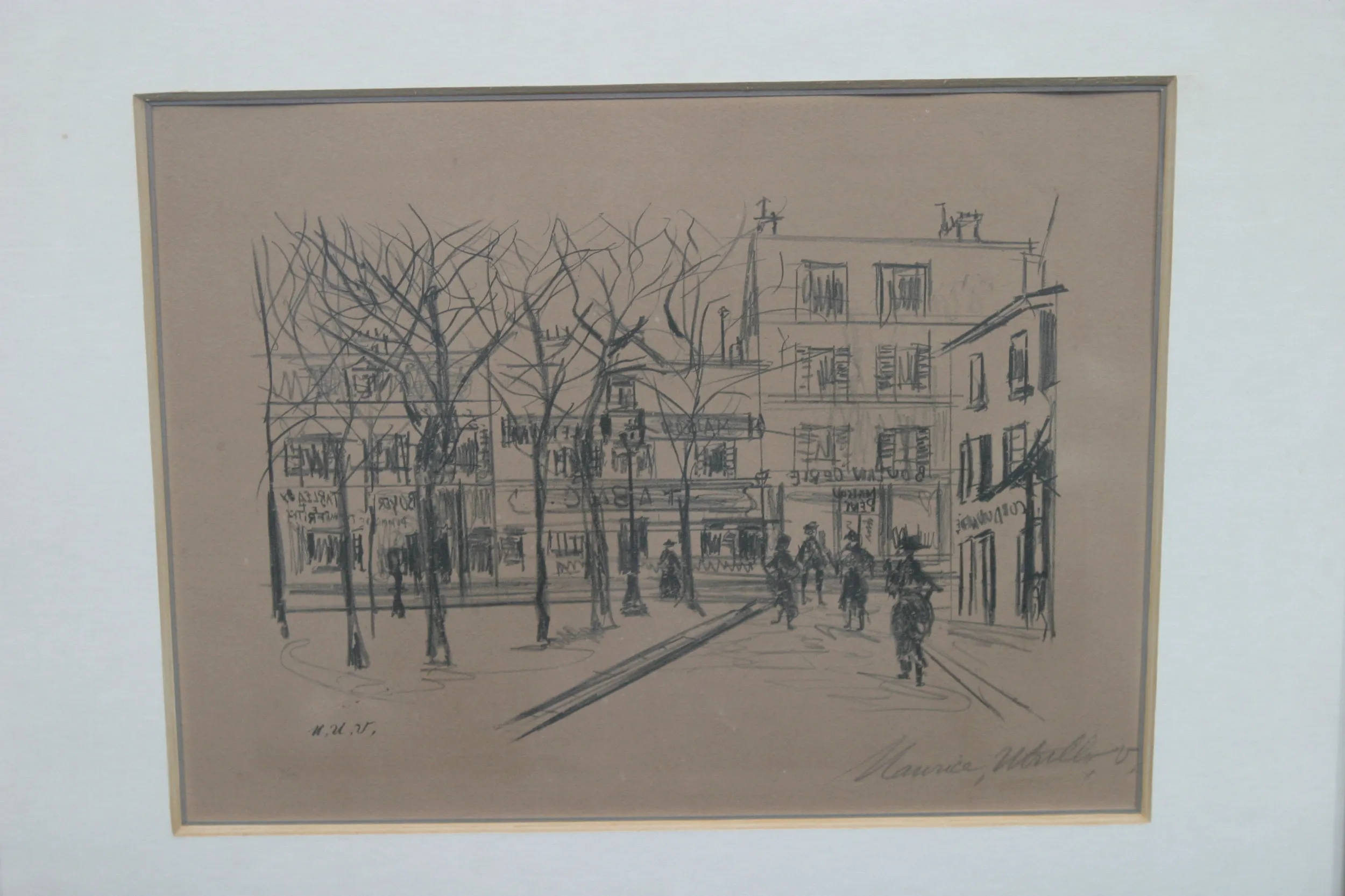
Maurice Utrillo Lithograph, ca. 1925
Understanding Our Appraisals
Executive producer Marsha Bemko shares her tips for getting the most out of ANTIQUES ROADSHOW.
Value can change: The value of an item is dependent upon many things, including the condition of the object itself, trends in the market for that kind of object, and the location where the item will be sold. These are just some of the reasons why the answer to the question "What's it worth?" is so often "It depends."
Note the date: Take note of the date the appraisal was recorded. This information appears in the upper left corner of the page, with the label "Appraised On." Values change over time according to market forces, so the current value of the item could be higher, lower, or the same as when our expert first appraised it.
Context is key: Listen carefully. Most of our experts will give appraisal values in context. For example, you'll often hear them say what an item is worth "at auction," or "retail," or "for insurance purposes" (replacement value). Retail prices are different from wholesale prices. Often an auctioneer will talk about what she knows best: the auction market. A shop owner will usually talk about what he knows best: the retail price he'd place on the object in his shop. And though there are no hard and fast rules, an object's auction price can often be half its retail value; yet for other objects, an auction price could be higher than retail. As a rule, however, retail and insurance/replacement values are about the same.
Verbal approximations: The values given by the experts on ANTIQUES ROADSHOW are considered "verbal approximations of value." Technically, an "appraisal" is a legal document, generally for insurance purposes, written by a qualified expert and paid for by the owner of the item. An appraisal usually involves an extensive amount of research to establish authenticity, provenance, composition, method of construction, and other important attributes of a particular object.
Opinion of value: As with all appraisals, the verbal approximations of value given at ROADSHOW events are our experts' opinions formed from their knowledge of antiques and collectibles, market trends, and other factors. Although our valuations are based on research and experience, opinions can, and sometimes do, vary among experts.
Appraiser affiliations: Finally, the affiliation of the appraiser may have changed since the appraisal was recorded. To see current contact information for an appraiser in the ROADSHOW Archive, click on the link below the appraiser's picture. Our Appraiser Index also contains a complete list of active ROADSHOW appraisers and their contact details and biographies.