The views and opinions expressed in this article are those of the writer.
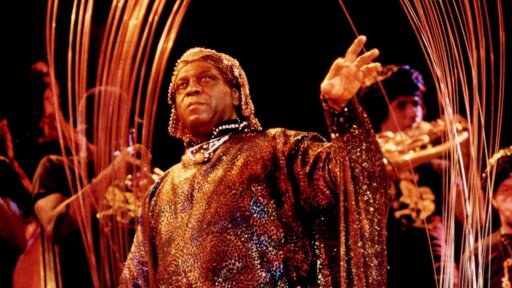
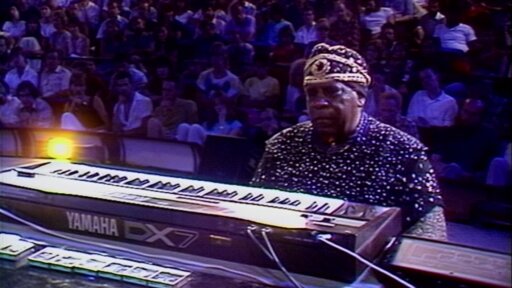
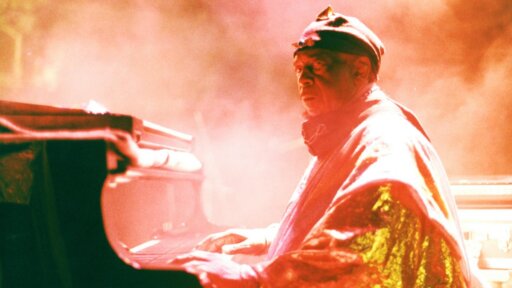
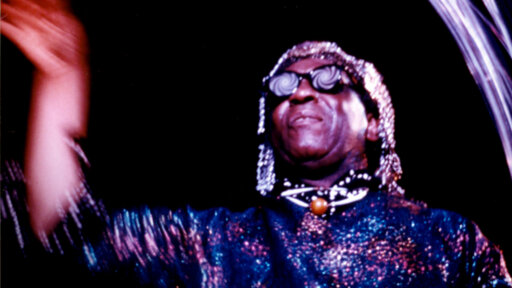
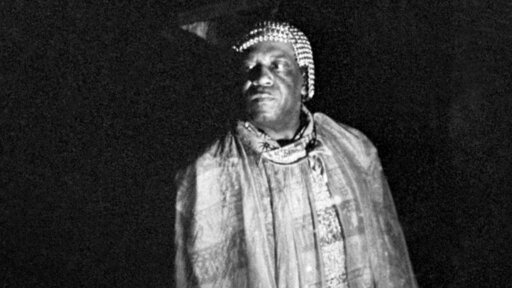
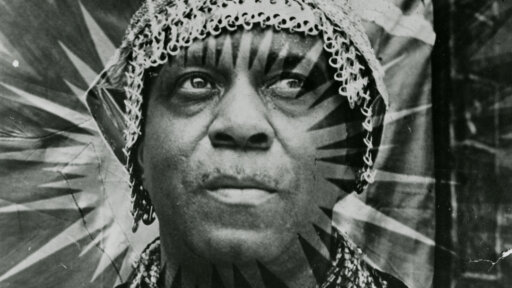
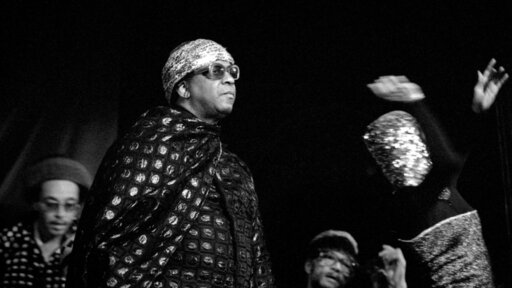
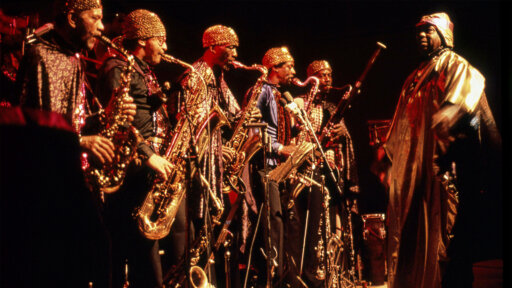
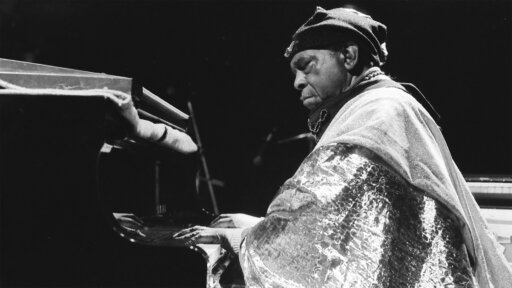
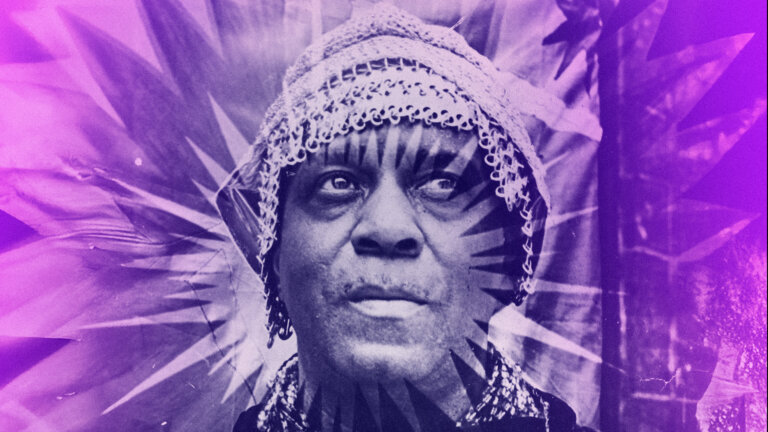
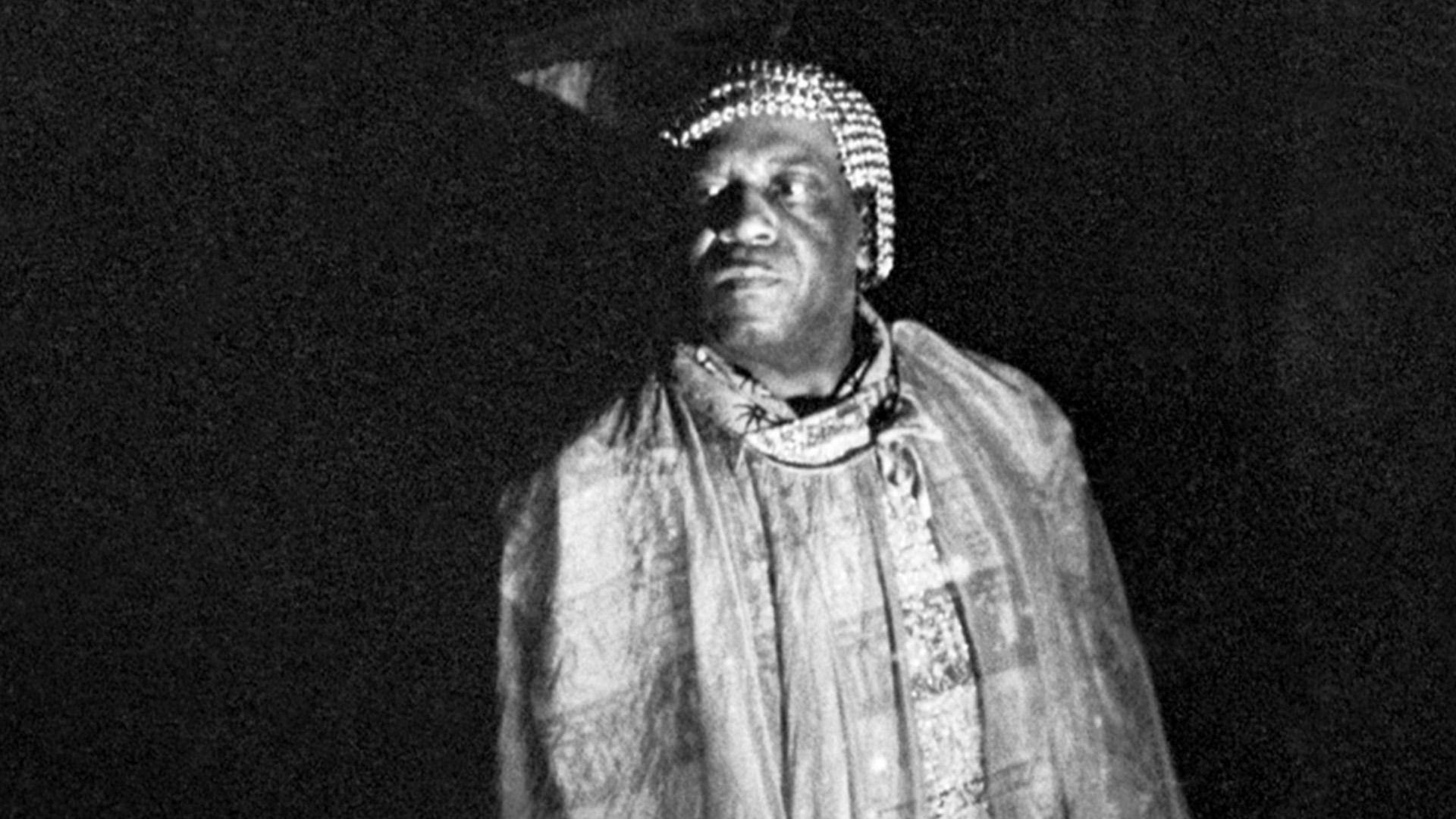
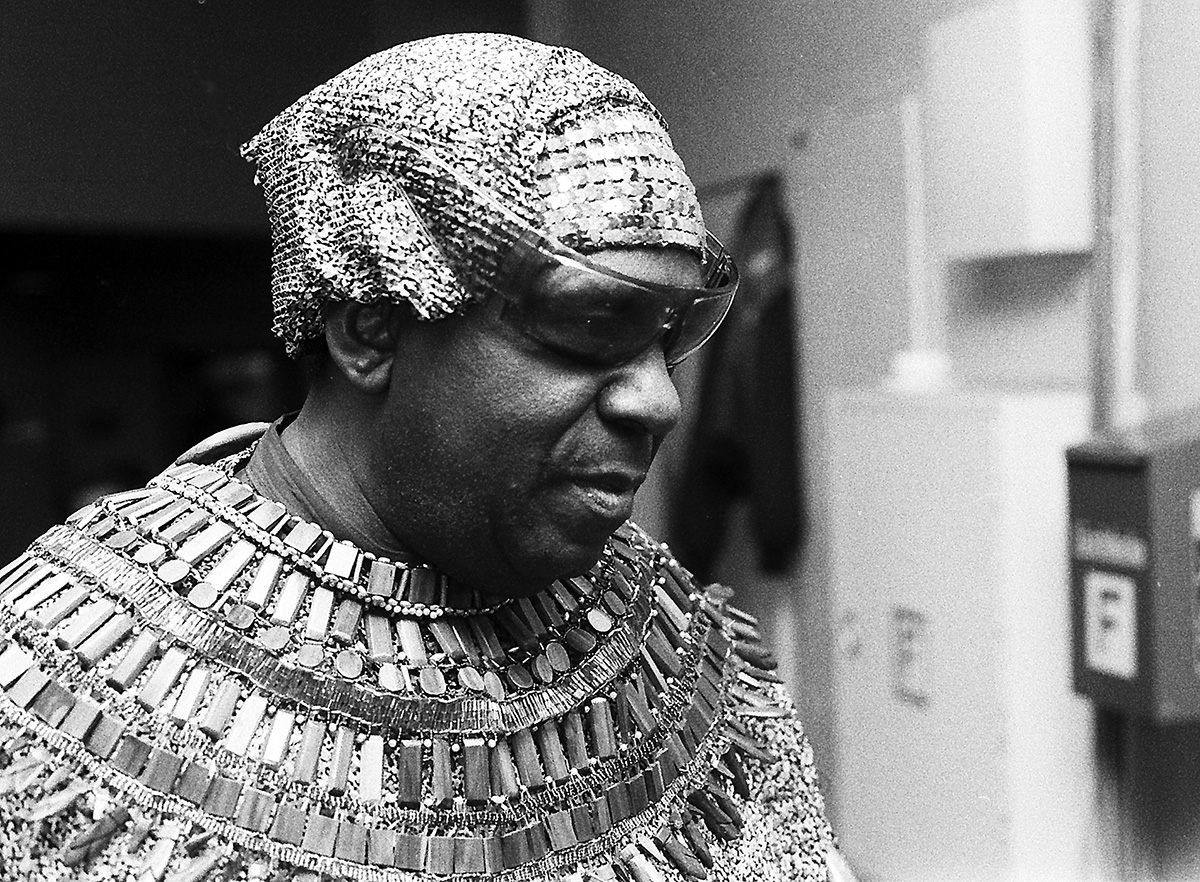 Influence, our social influenza disguised as benevolent magnetism, has become a currency with more value than mundane fiat, its cults of virality are conflated with wealth, power, upward mobility, status— cue a chorus of triumphant blues flutes for the time before artists were expected to be brands or risk insignificance. The pianist, composer, bandleader, and scholar known to the world as Sun Ra, née Herman Blount, has been posthumously inducted into the influence-driven economy as a mythocratic, mystic, “mythscientist.” His ideas about the world, which he renamed the “omniverse,” and how sound and language function within it, have incited a cult-like and frenzied following in recent years, one that is part authentic renaissance, part trendy appropriation of the codes of rebirth for sentimental or aesthetic reasons. And Ra, though skilled in persuasion, impeccably sovereign for a Birmingham-born-and-raised Black man who came to the planet in 1914, and possessive of a Cheshire-esque command of duality and logic, had not endeavored to be a guru or savior. He fashioned himself as a messenger whose primary medium was music, a poet, and one of “nature’s naturals.” He was more country preacher in his ability to exalt and exhort than professor or lecturer, yet his capacity to riff expertly on a subject for hours or compose through the night, with micro-naps at the piano from which he awoke playing in sync with the band or correcting errors he’d heard between waking and dreaming, made fanaticism inevitable. He also wore capes and glitter, required the same will to adorn of his ensembles, and created a collective environment in which the band lived together like a family rather than just reuniting for tours, concerts, and rehearsals.
He invoked with his Arkestra a hive mind of like-minded musicians and dancers who found it more appealing under his wing than in any risk of exile. Some would complain about being regulated and disciplined but usually not to the point of defecting from the band. Influence. Ra put those closest to him in a trance. He’d complain too, and express disenchantment with bandmates who would chase women, with the naive pursuit of freedom by those who needed regime and routine to evolve. He required devotion, suspension of disbelief, and a bit of asceticism, though he did drink, have a dark sense of humor, and present as uninhibited and irreverent at times. Ephemera of his, scattered across the internet as if dismissed by formal archives to revert to the commons, is a heartbreaking delight. There’s his application to NASA, his early business cards in the font of taxi companies, that dapper dilapidated vintage glamor of the precarious local small business, checks written to him by his sister in Birmingham during lean months, his recipe for an okra-based “moon stew,” and rumors in the digital audiosphere of his love for Sizzler in Los Angeles, which he’d visit in capes and headphones before the invention of the Walkman™.
Ra claimed to be a visitor from Saturn, trapped on earth to complete an impossible mission, and Saturn is not lenient; it’s the planet of demands, lessons, fearless and severe leaders, Machiavellian and a little fascist in the Fanonion connotation wherein “we are the first fascists,” and it’s not so much evil as an expression of retaliatory integrity. Detectable in the vibrations of Sun Ra’s music, this tendency toward governance or reparenting of the misguided by repatriation into a new and stricter angle of the cosmos, a “heliocentric world” in which the Sun is the leader of the ensemble of planetary bodies and he is the Sun’s saturnine proxy, translates best in his range. He can offer a tender, barreling blues interpretation of “Somewhere Over the Rainbow” or his original “God Is More Than Love Can Ever Be” and then flip into the electro-acoustic and confrontational “Disco 3000” or lyrical ballad “The Satellites are Spinning,” spanning the wistful and the caustic as if they have the same genesis. In Sun Ra’s territory, they do. Good and evil are silly distinctions according to him, a lullaby and an avant-garde noise track that is all agitation have equally important purposes in returning himself, the listener, and the atmosphere to homeostasis with a better Earth. What are the Black purposes of space travel, he asks in earnest, and answers with the versatility of madmen, gods, and mythic beings, by making space a casual topic in his lexicon, a natural Black preoccupation.
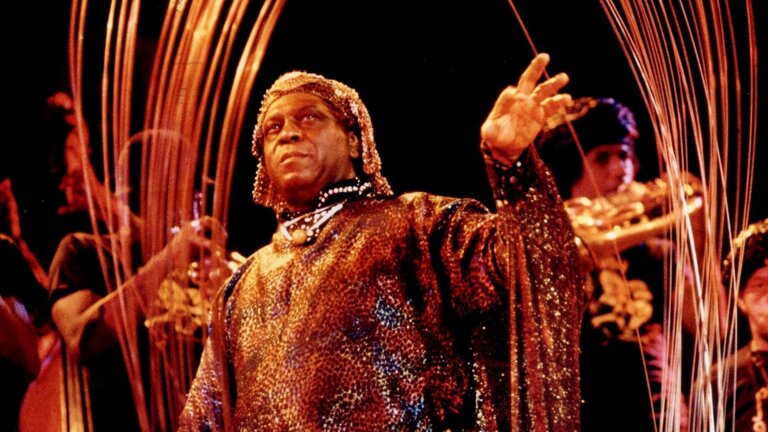
Sun Ra’s impact on the first quarter of the 21st century of our nightmare on Earth has been primarily as a buzzy high-concept name many reference and have cursory familiarity with for clout. I don’t believe most who cite and fetishize him and the Arkestra he built across five decades take the time to listen to his albums in depth. I don’t think they sit up nights playing his lectures. Some do, but most mimic the doers’ enthusiasm in hopes it’s mistaken for real attentiveness. He’s become too fashionable, too much a representative of what is called Afro-Futurism, a white academic’s shorthand for Black transcendence of space and time through sound and feeling that turns the decadently original into one heap of maybe somedays, to everyone’s detriment. Ra’s peers in music, from Lee Perry to Stockhausen to Flying Lotus to George Clinton to Georgia Anne Muldrow, are in a more productive conversation with his work than cultural workers who use him as a relic or image to point to when describing a certain kind of blackness that cannot be contained or diminished, except by being so pointed to.
 Ra was born in 1914, James Baldwin in 1924, and Amiri Baraka, a close friend of Ra’s, in 1934. What all three men have in common among themselves and with countless others, is that the digital archive has enabled a constant loop of their voices, words, and images, detached from any meaningful context. So one generation after the next is collapsed into an undifferentiated sequence of special Blacks who belong in museums or on platforms which in turn render them nearly unknowable, as if submitting them to a second death. The true test of an influence is not how it behaves when present, but whether or not you are haunted by its absence, however, and Ra does haunt us. The more we reappraise him for parts and kill off the notion of the whole, the more he resists definition and integrates as a ‘Bama-Saturn-sphinx missing in the debris of so much excavation and projection. “I’m dealing with the myth that I’m an angel,” he points out. Later he reminds us that Lucifer was an angel too, that he might choose to be a dark angel once-in-a-while. Most go on treating him like a prodigal clown.
Lately the costume interest doesn’t suffice. The tributes tend toward pillage, and the medicinal quality of his music becomes seductive poison or sedative in excerpt, as if the antidote to his exploitation is built into every phase of renewed or opportunistic interest. And when you dig deeper you risk becoming a member of ‘another order of being,’ his words, his alienation could become yours. It’s dangerous to invent a mascot for the future whose first task when he’s cast there will be to write you out of it. Perhaps this is our thrill.