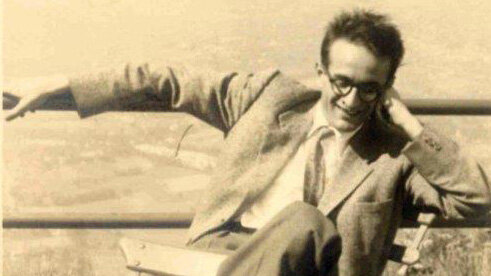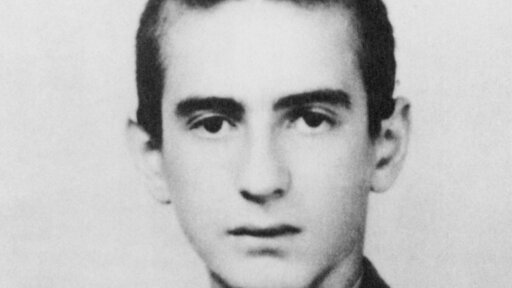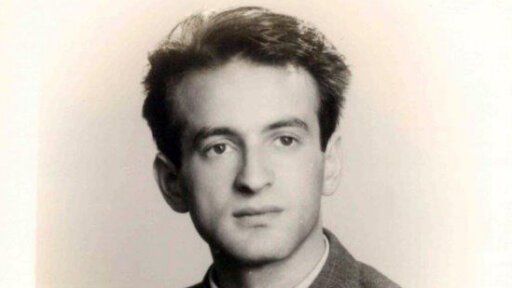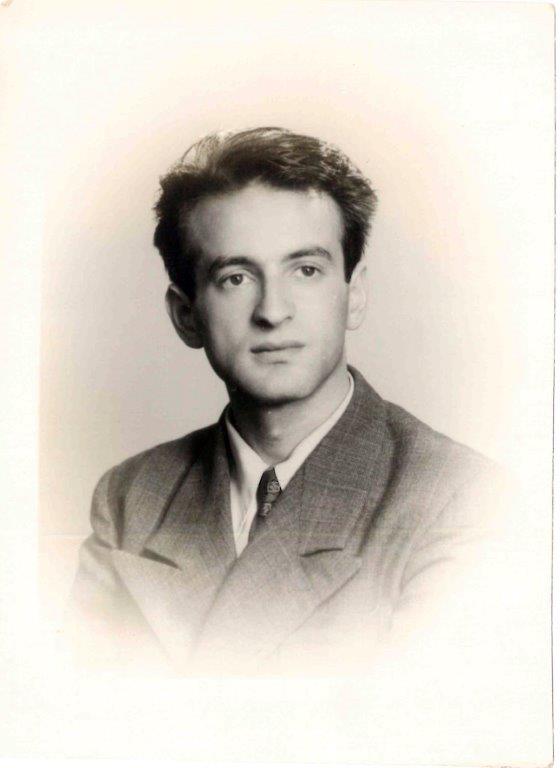
Elie Wiesel.
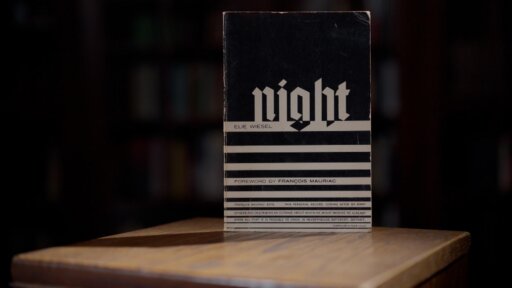
Author, educator and humanitarian Elie Wiesel was born in Romania and was deported to Auschwitz with his family as a teenager. Upon his liberation, he migrated to France before moving to New York, and ended up writing 57 books in his lifetime. He won the Nobel Peace Prize in 1986. His memoir “Night,” based on his experiences as a prisoner in Auschwitz and Buchenwald during the Holocaust, is still taught widely in schools today. Wiesel inspired countless students during his time as a professor at Boston University, and fought “the sin of indifference” in his teachings.
This timeline explores Elie Wiesel’s life and the major milestones in his career.
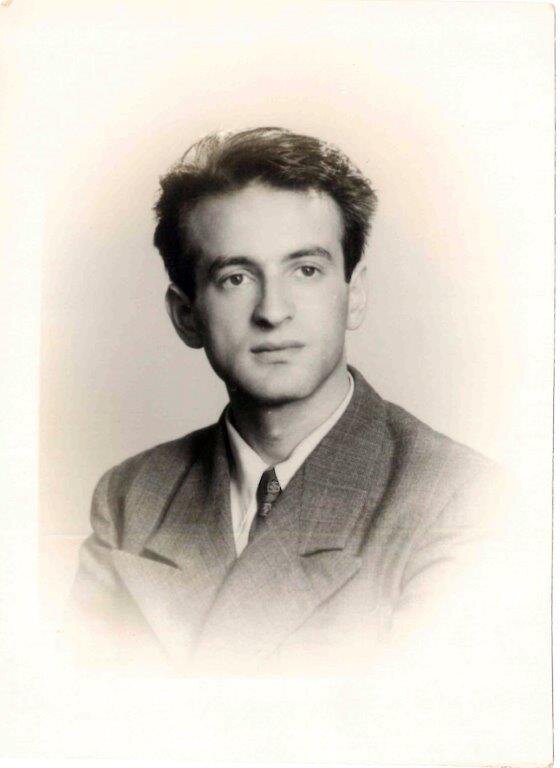
Elie Wiesel is born in Sighet, Romania to mother Sarah Feig and father Shlomo Wiesel. He has two older sisters, Beatrice and Hilda, and one younger sister, Tziporah. Wiesel grows up speaking Yiddish and is also multilingual in Hebrew, Hungarian and Romanian. He is an observant Jew with Hasidic roots on his mother’s side.
Wiesel faces deportation with his family to the Auschwitz concentration camp, where his mother and younger sister Tziporah are immediately exterminated.
Wiesel is forced to march with his father from Auschwitz to Buchenwald.
Elie’s father dies of dysentery in Buchenwald.
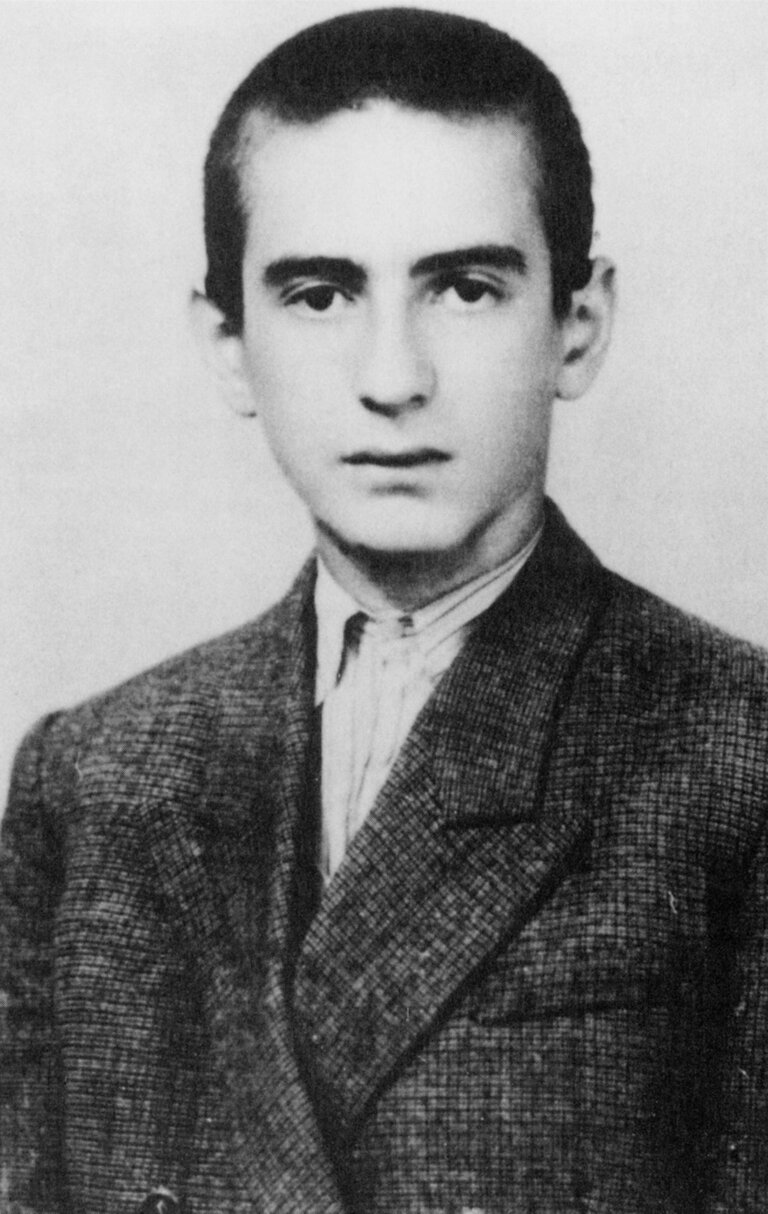
Wiesel is liberated from the Buchenwald concentration camp by the U.S. Third Army.
Wiesel is brought to France along with other orphans from the Buchenwald concentration camp to the Œuvre de secours aux enfants (OSE) rehabilitation center.
Wiesel reunites with his sisters Hilda and Bea who survived the war. He moves to Paris, where he studies literature, psychology, and philosophy at the Sorbonne. He also becomes a journalist for the Yiddish weekly Zioni in Kamf and the French newspaper L’Arche.
Wiesel is assigned by L’Arche to write a series on new immigrants to Palestine.
Wiesel becomes the Parisian correspondent for the Israeli newspaper Yediot Ahronot.
Wiesel meets writer and Nobel Laureate Francois Mauriac and writes the 862 page manuscript, “Un di velt haut geshvign” (And the World Was Silent) in Yiddish.
“Un di velt haut geshvign” is published by an Argentinian Jewish publisher. Wiesel moves to New York, becoming Yediot Ahronot’s United Nations correspondent. Later, he is struck by a taxicab and hospitalized.
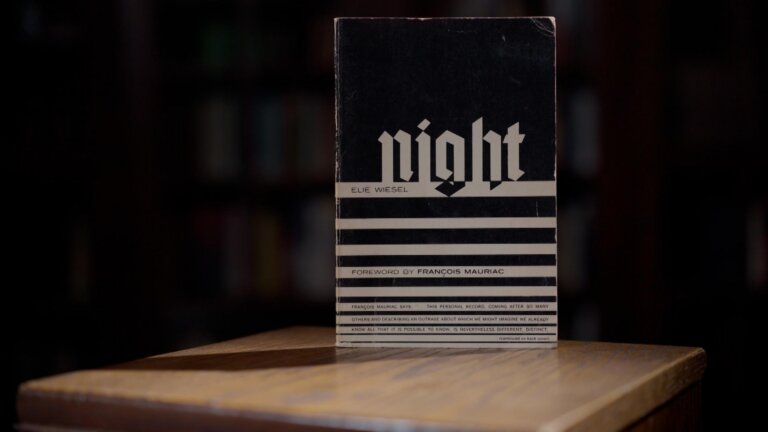
Wiesel publishes an abridged and edited version in French titled “La Nuit” (Night).
Wiesel publishes his first novel “Dawn.”
Wiesel publishes “The Town Beyond the Wall.”
Wiesel travels to the Soviet Union for Haaretz. He also publishes “The Jews of Silence: A Personal Report on Soviet Jewry.”
Wiesel wins the Prix Medicis, a French literary award, for “A Beggar in Jerusalem.”
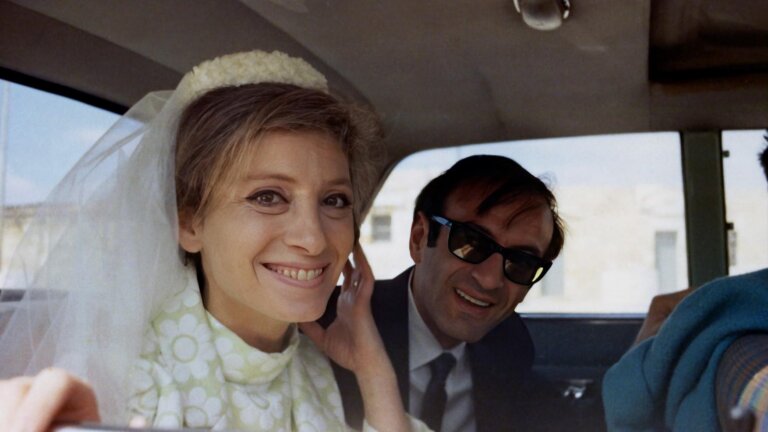
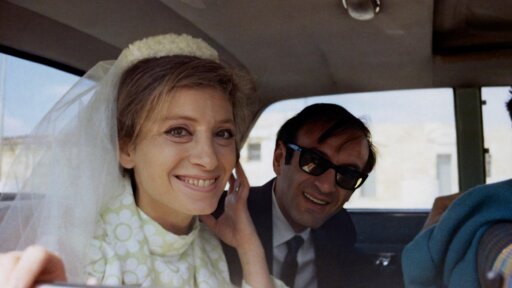
Wiesel marries Marion Erster Rose, who was born in Austria and fled with her family first to Belgium, then Switzerland, and then the U.S. She becomes Wiesel’s primary translator.
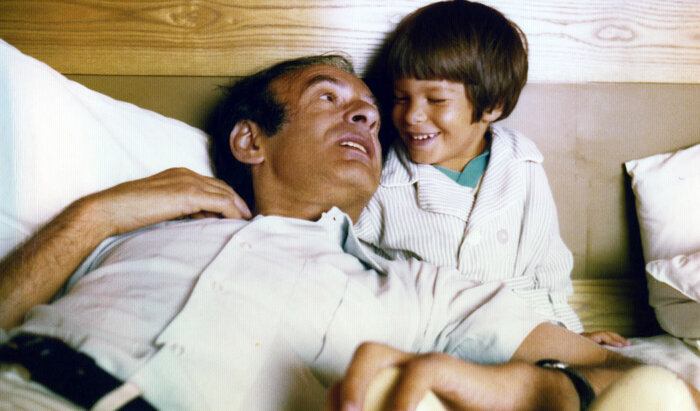
Wiesel is appointed Distinguished Professor of Judaic Studies at City College. Marion and Elie’s son Shlomo Elisha Wiesel is born.
Wiesel founds Moment Magazine with Leonard Fein.
Wiesel is named the Andrew W. Mellon Professor in the Humanities at Boston University.
President Jimmy Carter appoints Elie Wiesel chairman of the President’s Commission on the Holocaust. He also becomes Chairman of the U.S. Holocaust Memorial Museum.
Wiesel publishes “Souls on Fire: Portraits and Legends of Hasidic Masters.”
On April 19, Wiesel is awarded the Congressional Gold Medal of Achievement by President Reagan. Wiesel’s acceptance speech implores Reagan to cancel his impending visit to Bitburg, Germany where SS soldiers were buried, garnering worldwide attention.
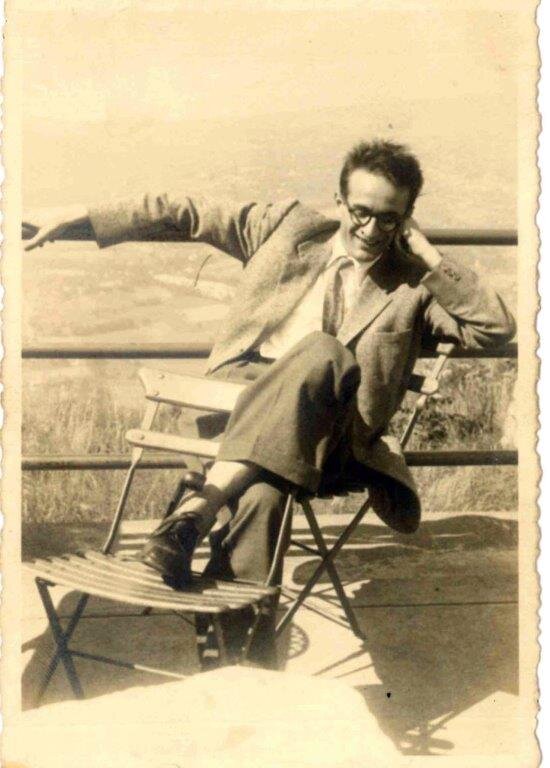
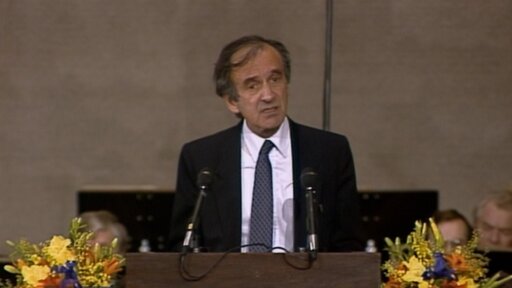
On December 10th, Wiesel receives the Nobel Peace Prize in Oslo, Norway.
Wiesel founds the Elie Wiesel Foundation for Humanity to fight intolerance, injustice, and indifference.
Wiesel delivers a dedication speech on Yom Hashoah on April 22 at the opening of the U.S. Holocaust Museum, and raises the alarm about mass killings in the former Yugoslavia, challenging President Clinton to take action.
Wiesel travels to Buchenwald with President Barack Obama and German Chancellor Angela Merkel.
Wiesel publishes his last book “Open Heart,” and travels to Auschwitz with Oprah Winfrey.
Elie Wiesel dies on July 2 and is buried at Sharon Gardens in Westchester, New York.