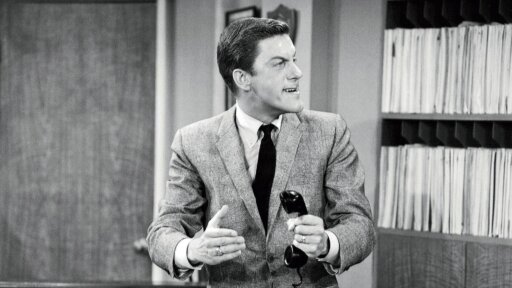
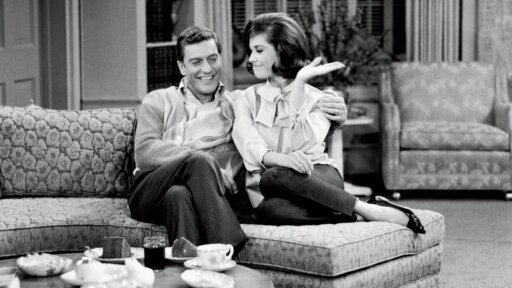
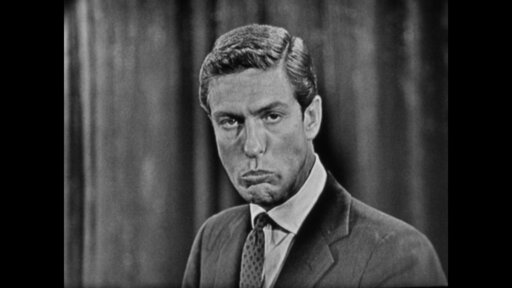
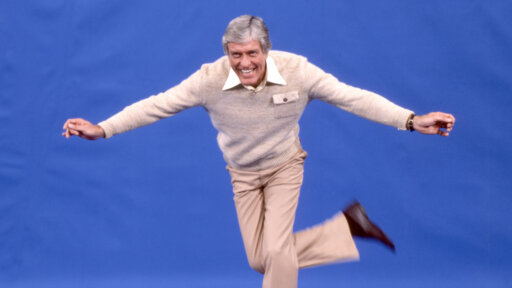
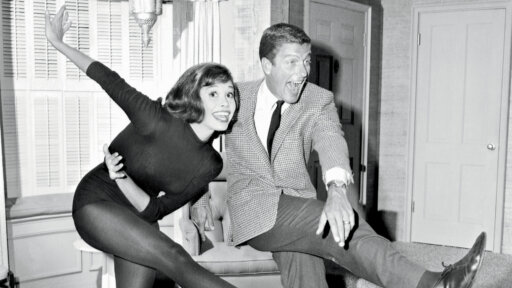
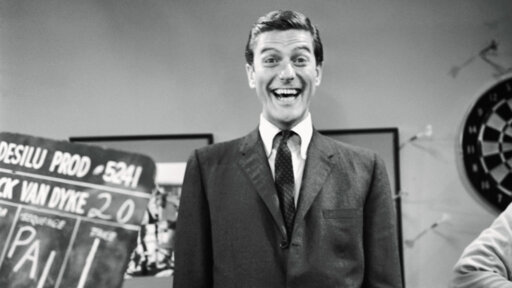
In Dick Van Dyke’s memoir, he wrote: “There have only been two times in my career when I have known that I had a chance to be involved in something special. The first was ‘The Dick Van Dyke Show,’ and the second was when I read the script for ‘Poppins.’”
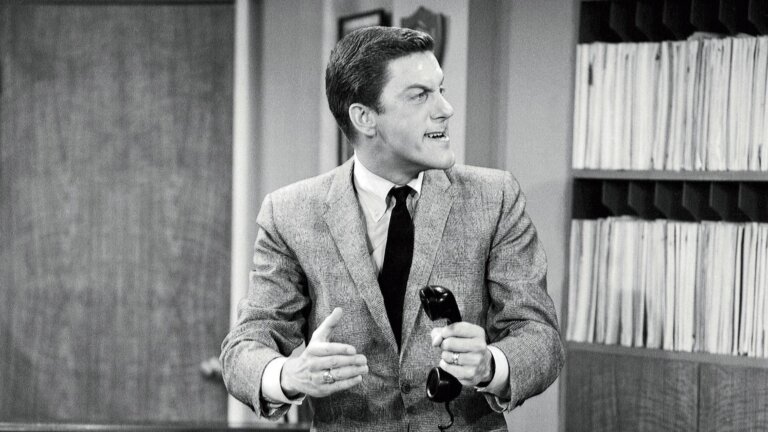
The former solidified Van Dyke as someone special: the sitcom took shape around his distinctive style of happy-go-lucky physical comedy, and it remains an acclaimed classic. The latter was a dream come true for Van Dyke. He had watched Disney movies growing up, and he had always wanted to be in one.
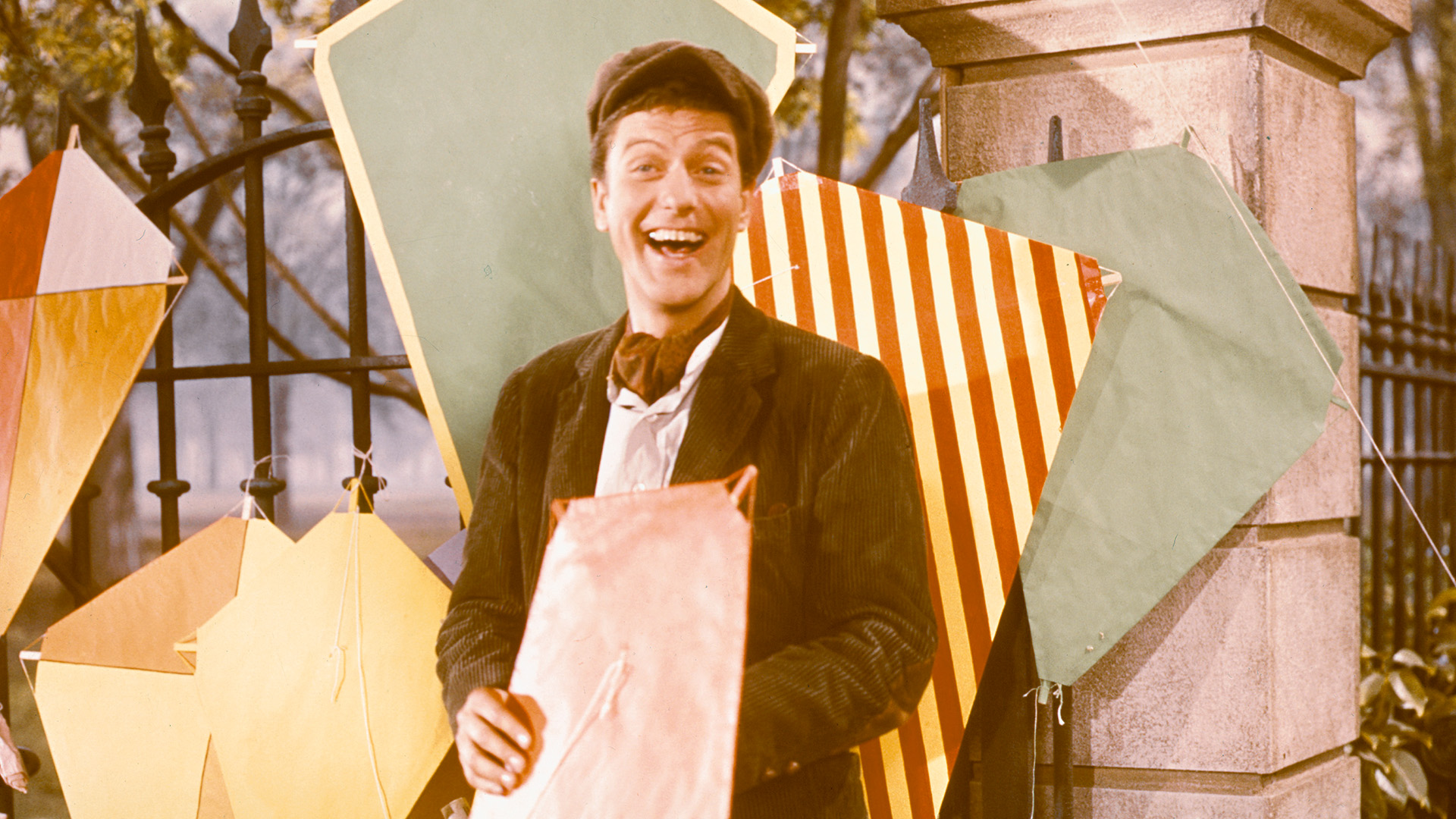
When Walt Disney was casting “Mary Poppins,” he came across an interview with Dick Van Dyke, who was in the press for his recent success as a star in the Broadway musical “Bye Bye Birdie.” Van Dyke was quoted saying, “I want to do pictures I can take my kids to see.”
Disney was charmed by Van Dyke’s commitment to children’s media, and he made sure he got a copy of the “Mary Poppins” script. Van Dyke found it “spectacular,” and the two men hit it off immediately. They shared in the feeling that they were just children cosplaying as adults (a sentiment that still seems true for Van Dyke, who celebrates his 100th birthday this month).
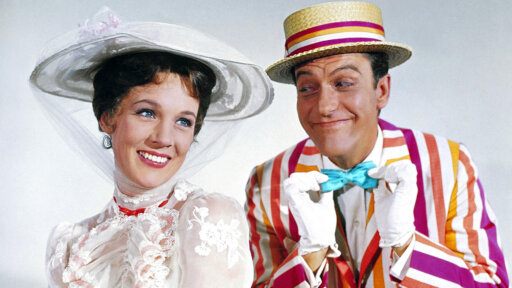
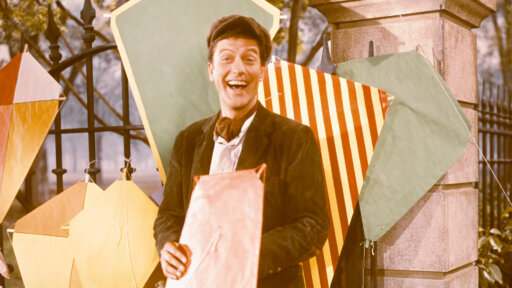
Van Dyke was cast as Bert, who takes on many forms in the movie: he is a one-man-band, a sidewalk artist, and the only character who really knows the mysterious and wonderful Mary Poppins (Julie Andrews). Most iconically, Bert is a chimney sweep with an unshakable sense of joy who charms Jane and Michael Banks, the children Mary Poppins nannies. Bert is not his only role, though: Van Dyke also plays Mr. Dawes Sr., the elderly chairman of the bank whose character arc takes him from a foreboding and impatient old man to someone who dies laughing.
It was, as Van Dyke put it, the first role he ever bought. Disney agreed to cast him on the condition that he make a $4,000 donation to his performing arts school CalArts. Once the check cleared, Van Dyke took on his second role in full prosthetics. Karen Dotrice, who plays Jane Banks, did not know it was him, and her fear of the jaded old banker was genuine. When the credits rolled, Navckid Keyde—an anagram of Dick Van Dyke—was listed as the actor.
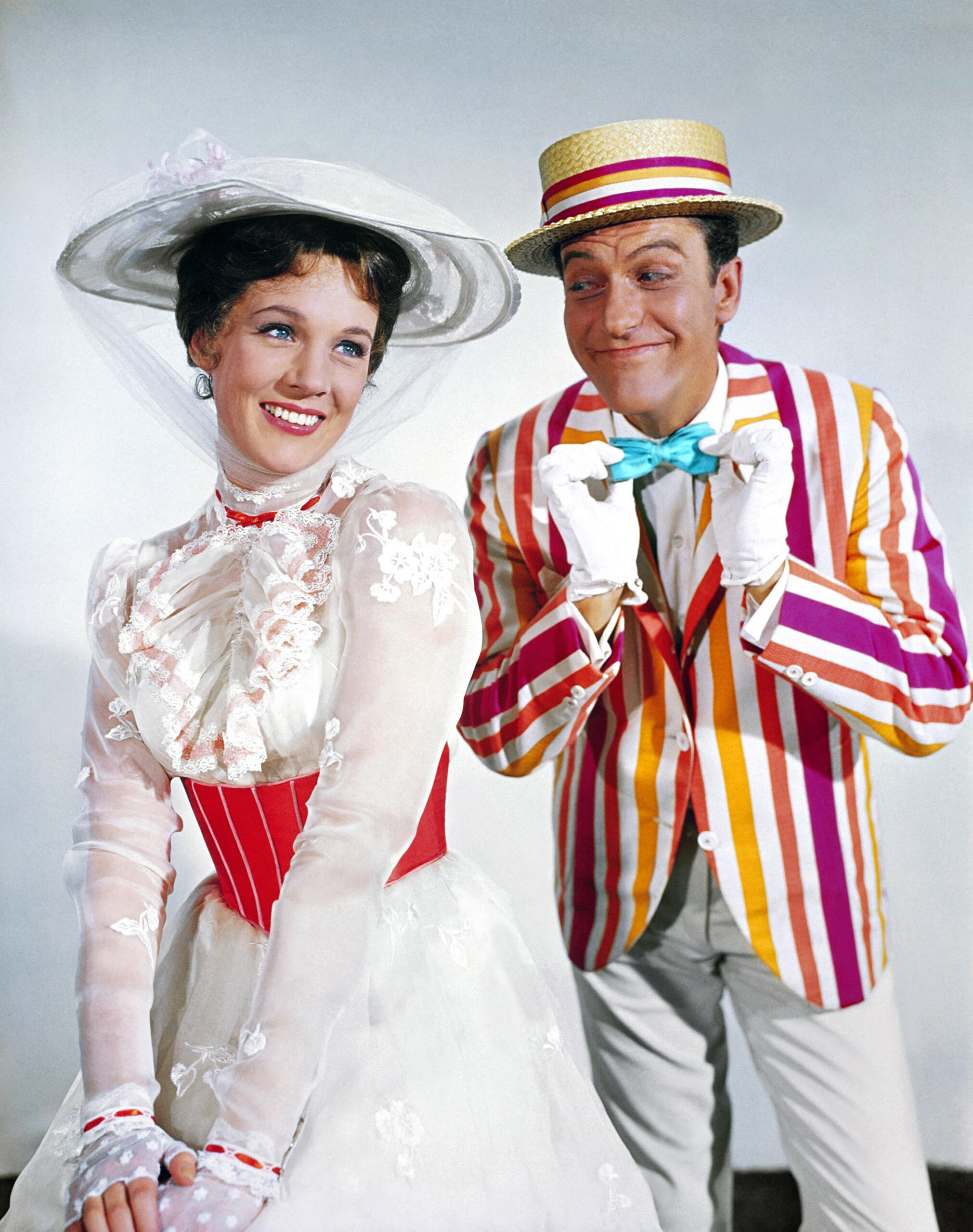
Julie Andrews and Dick Van Dyke in “Mary Poppins” (1964)
“Mary Poppins” was released in 1964 to great success. Six years later, Van Dyke checked himself into rehab for alcoholism. He went on to speak about his experience openly, including what it felt like to show up hungover for a day of ambitious choreography on the “Poppins” set, and the bouts of depression he endured while creating a movie that brought so much joy.
Even in the throes of addiction, Van Dyke brought childlike wonder to Disney’s visionary work. He went on to be a part of several other Disney works, including “Lt. Robin Crusoe,” “U.S.N.,” and “Never a Dull Moment”—although in his view, “Poppins” remains “the perfect Walt Disney movie.”
Van Dyke also appeared in a number of television series commemorating the Disney legacy, including narrating Walt Disney’s 2001 documentary. That movie begins with “Mary Poppins,” which it posits as the pinnacle of Disney’s career.
When Van Dyke was 92, he played Mr. Dawes Jr., the banker’s son, in Rob Marshall’s Disney film “Mary Poppins Returns.” In that role—still in full makeup, but this time, in an attempt to look his age—he tap dances on a desk and then delivers a monologue to the Banks children that had the cast and crew in tears.
“It’s kind of like bookends for me,” Van Dyke said of the performance—although he shows no signs of slowing down. There is something timeless about Van Dyke: for his 90th birthday, he celebrated with a “Mary Poppins” flash mob. At 100, he kicked off celebrations with a two-hour sing along that featured interludes of “Supercalifragilistic.” He still embodies the Disney magic he spent much of his career bringing to life, and perhaps that’s part of the secret—because in Van Dyke’s words, “there is something timeless about what Walt did.”