
Earlier this year, our WCS Mongolia team fitted a GPS collar to a snow leopard in Mongolia’s South Gobi. We named him Sukhee.
Since then, Sukhee has travelled hundreds of kilometres across unprotected rugged mountains, valleys and grasslands. Every day, new locations are sent to our screens. We see where he rests; where he hunts; which mountain ridges belong to his territory, which he shares with herders, domestic camels, horses, ibex, and argali.
We can follow his movements across a desert landscape that remains one of the most eastern and vulnerable for snow leopards in Mongolia.
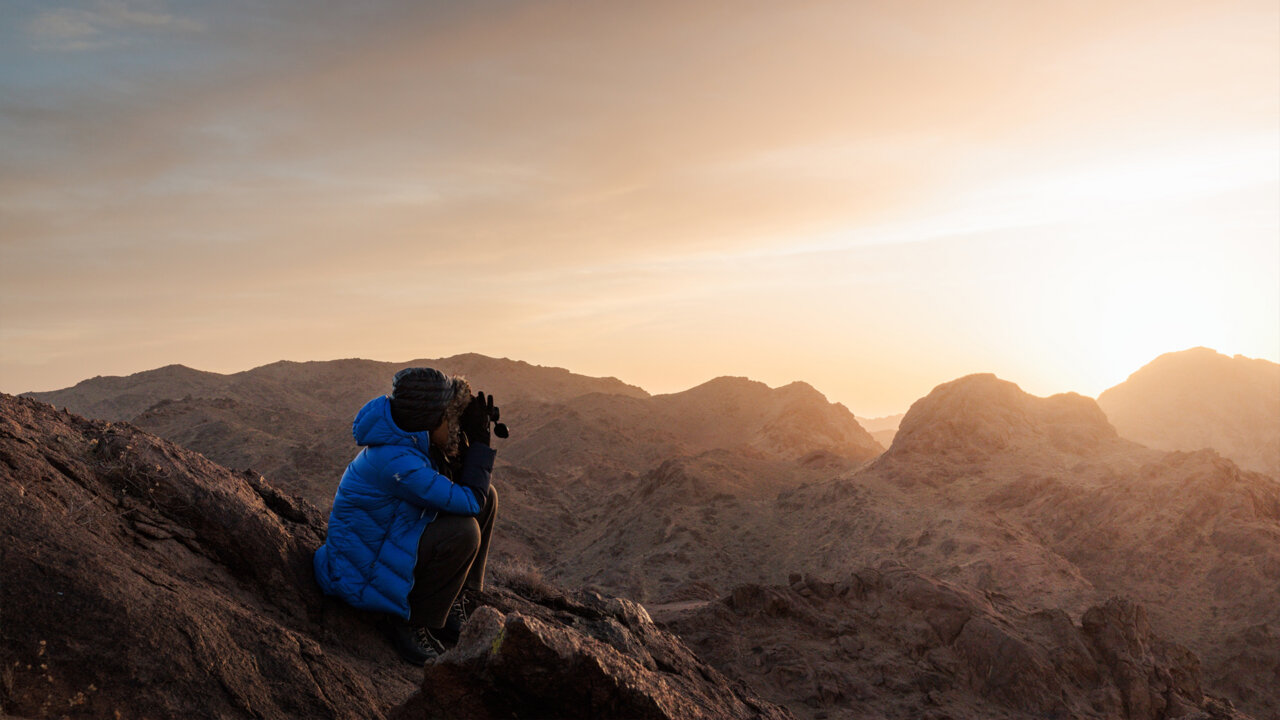
Dr. Justine Shanti Alexander surveys snow leopard habitat in the South Gobi as part of WCS Mongolia’s research programme. Photo credit: ©️Benjamin Buckland
As a conservation scientist, I still find this remarkable. When I began working on snow leopards nearly two decades ago, much of their world was hidden from us. Today, camera traps and GPS technology allow us to understand wildlife mobility and behaviour in ways that were once unimaginable. These help us understand how wildlife use the landscape.
But Sukhee’s journey also raises a larger question. While we are learning more about individual species than ever before, how much do we truly understand about the landscapes that sustain them? This question feels particularly urgent as Mongolia prepares to host the seventeenth Conference of the Parties to the United Nations Convention to Combat Desertification (CoP17) this month.
In Mongolia, a changing climate, biodiversity loss, and land degradation are not separate challenges. They are different expressions of the same underlying reality: the health and ecological integrity of our rangelands are changing. The devastating dzud (harsh winter) of 2024 brought this reality into sharp focus. By June 2024 over seven million livestock were reported having died across the country, leaving many herding families facing enormous hardship.
Wildlife also suffered, although the full extent of the impacts remains largely unknown. In eastern Mongolia, our team documented more than 500 dead Mongolian gazelles likely linked to the severe winter conditions, but this was only in the areas we were able to monitor.
One of the most important lessons from that winter was how many questions remained unanswered. Which landscapes are most resilient to climate extremes? Which ecosystems are approaching critical thresholds of degradation? Where should restoration investments be prioritized to deliver the greatest benefits for both people and biodiversity?
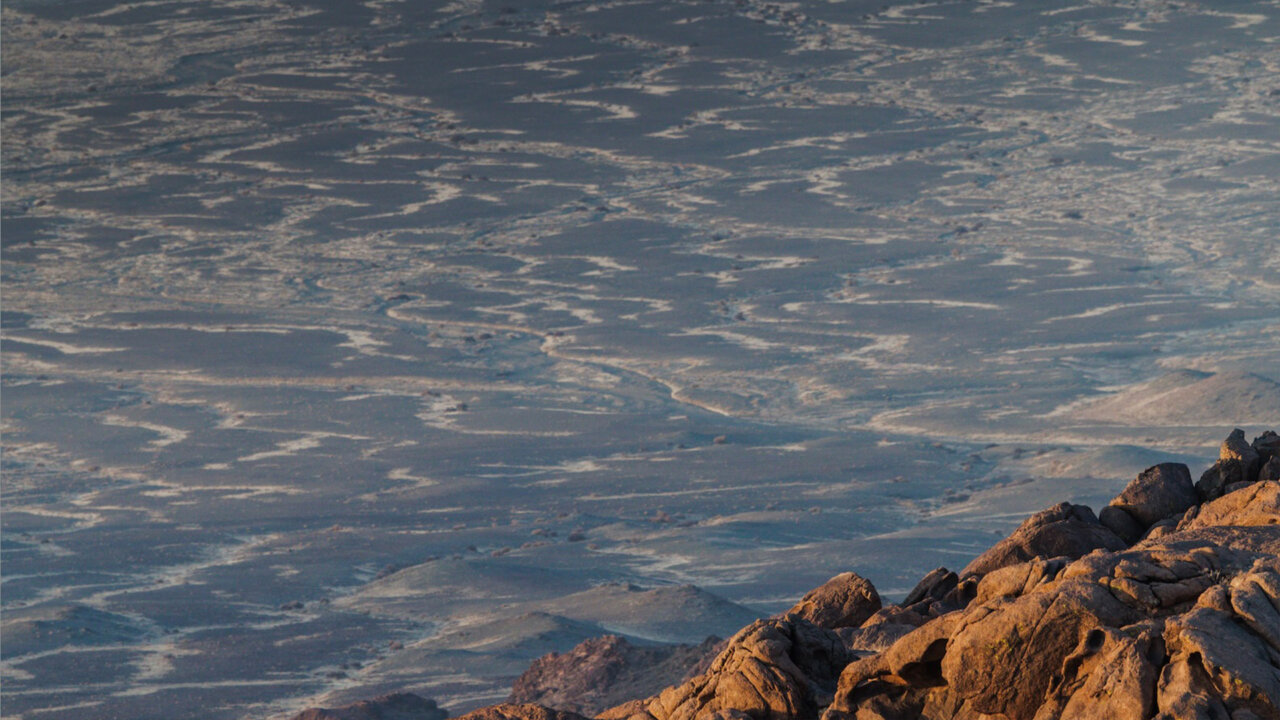
Maintaining connected landscapes is essential for the seasonal movements of wildlife and the resilience of Mongolia’s rangelands. Photo credit: ©️Benjamin Buckland
Despite Mongolia’s global importance for biodiversity, significant knowledge gaps remain. This matters because Mongolia is home to some of the world’s last great intact rangelands. They support around 80 percent of the world’s remaining khulan (or Asian wild ass), nearly the entire global population of Mongolian gazelles, and the second largest population of snow leopards.
Mongolia is also the last refuge of the endangered Mongolian saiga antelope and home to marmot species, often overlooked but increasingly recognised as ecological engineers that help shape healthy rangelands. Add to that extraordinary migratory bird diversity, pollinators, fungi, flowering plants, and other life that underpin entire ecosystems.
Together, these landscapes have supported both wildlife and pastoral communities for centuries, yet we still know surprisingly little about how they are changing and how resilient they will be in the face of climate change.
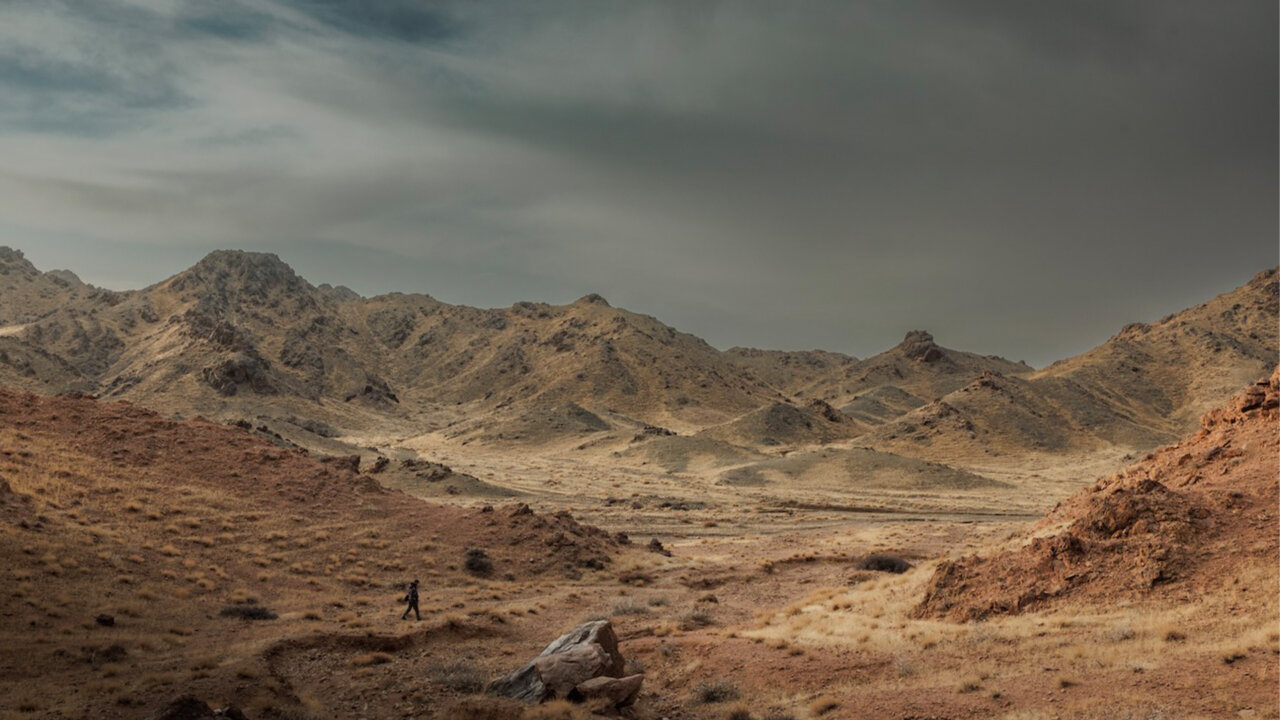
The rugged mountain landscapes of Mongolia’s South Gobi provide critical habitat for snow leopards and other wildlife while supporting traditional pastoral livelihoods. Photo credit: ©️Benjamin Buckland
WCS works with partners and government to protect and conserve the biodiversity of these rangelands across the globe, and Mongolia is one of our priorities. Over the past decade, Mongolia has made important advances in understanding its wildlife. Snow leopards are a powerful example. Through camera trapping, genetics, GPS collars, and large-scale surveys, we can estimate their population at around 950 individuals nationwide.
We are also beginning to answer questions that were once impossible to address: how long snow leopards survive in the wild, when females first raise cubs, how large their territories are, what are their favourite prey, how they move across increasingly fragmented landscapes, and how they interact with local communities and livestock.
Snow leopards show what is possible when we invest in long-term science. We now need to bring that same commitment to understanding entire ecosystems.
The future of snow leopards will depend on healthy rangelands that support wild prey and livestock alike. It will depend on functioning water systems—a limiting factor for many in the Gobi Desert. It will depend on communities that have the knowledge, resources, and resilience to adapt to a changing climate.
This year, as the world marks the International Year of Rangelands and Pastoralists, Mongolia’s hosting of CoP17 provides a unique opportunity to showcase to the world how healthy, high integrity rangelands underpin wildlife, pastoral livelihoods, and climate resilience.
Mongolia must share its commitment to learning from our landscapes and our wildlife. That means investing in long-term ecological monitoring. It means supporting local knowledge alongside scientific research. It means strengthening our ability to track environmental change and evaluate what works.
Somewhere in the South Gobi, Sukhee continues his journey across a landscape that has sustained wildlife and people for generations. His movements help us understand one piece of a much larger puzzle. The challenge before us at CoP17 is to invest in better understanding the entire system. In our rapidly changing world, knowledge may be our greatest source of resilience.