
There is an invisible thread connecting Mombasa, Kenya and the coast of East Africa with Ulaanbaatar, Mongolia, and the vast Gobi Desert—in terms of global conservation and my own journey; let me explain.
In June, my Wildlife Conservation Society (WCS) colleagues and I attended the global Our Ocean Conference in Mombasa, where governments and conservationists made strong commitments for actions with tremendous potential for equitable and effective protection and conservation of ocean ecosystems, for the benefit of biodiversity and the local communities around the globe that depend on healthy marine environments.
I was honored to lead the WCS delegation to that conference, which will hopefully result in actions to prevent over-fishing that harms marine life and local livelihoods, as well as a reduction in illegal and destructive fishing practices, so that we can achieve restoration and protection of the ecological integrity of marine ecosystems.
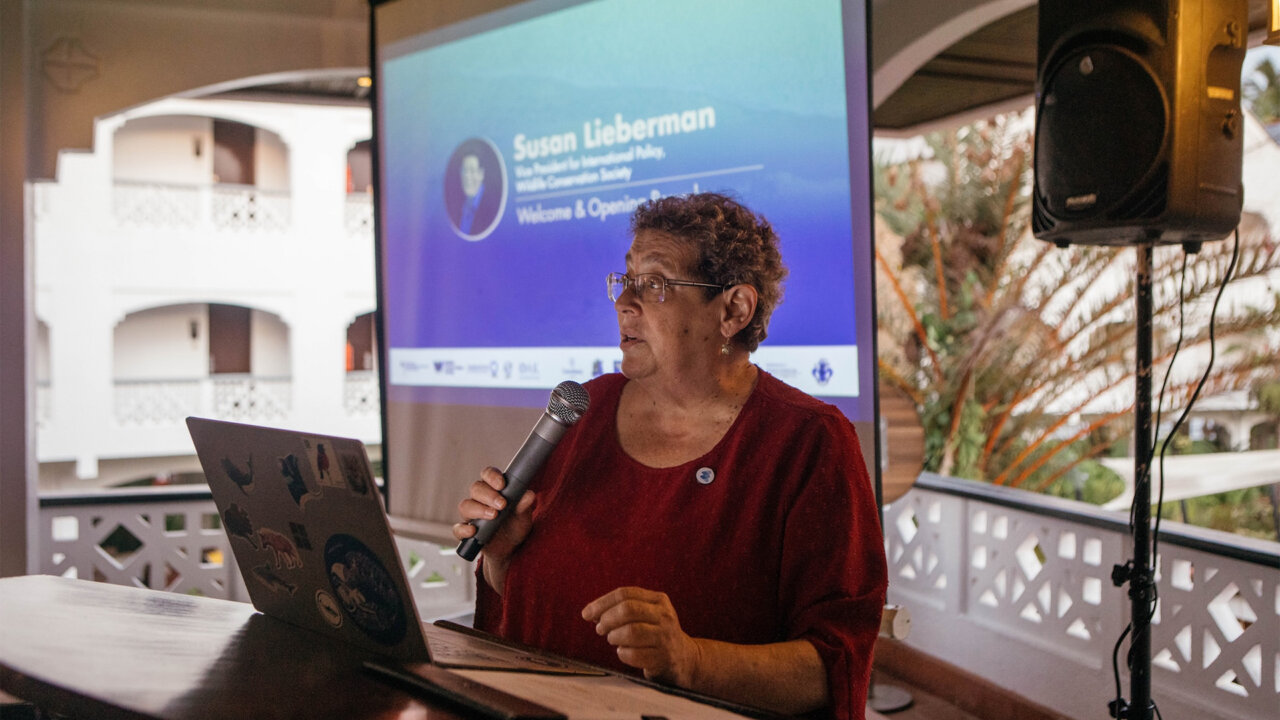
Dr. Susan Lieberman speaking at a convening of the Women Oceans Guardians Africa at the June 2026 Our Ocean Conference in Mombasa, Kenya. Photo credit: Kang-Chun Cheng ©️WCS.
The highlight of that conference was the expansion by WCS and partners of the Women Ocean Guardians coalition—originating in Latin America and the Caribbean—into Africa, where women leaders from 11 African countries came together and issued a declaration calling for dignity, justice, and healthy oceans.
I was delighted to give the keynote address opening the Women Ocean Guardians event—and even more delighted to meet the amazing women leaders from across Africa and Latin America, dedicated to ensuring the conservation of marine species and the marine environment that their communities depend on.
Later this month I will lead the WCS delegation to the 17th meeting of the Conference of the Parties to the United Nations Convention to Combat Desertification (UNCCD CoP17). UNCCD is the only multilateral agreement with a specific mandate on land degradation and sustainable land management. Its agenda directly overlaps with biodiversity conservation, climate resilience, food security, and pastoral livelihoods—all core elements of WCS’s landscape-scale work.
I look forward to discussions on many issues at UNCCD CoP17, including: rangeland/grassland conservation; wildlife conservation; ecological integrity; land degradation; natural resource exploitation; One Health and the connections between wildlife and ecosystem health and human and livestock health; and collaboration with Indigenous Peoples and local communities.
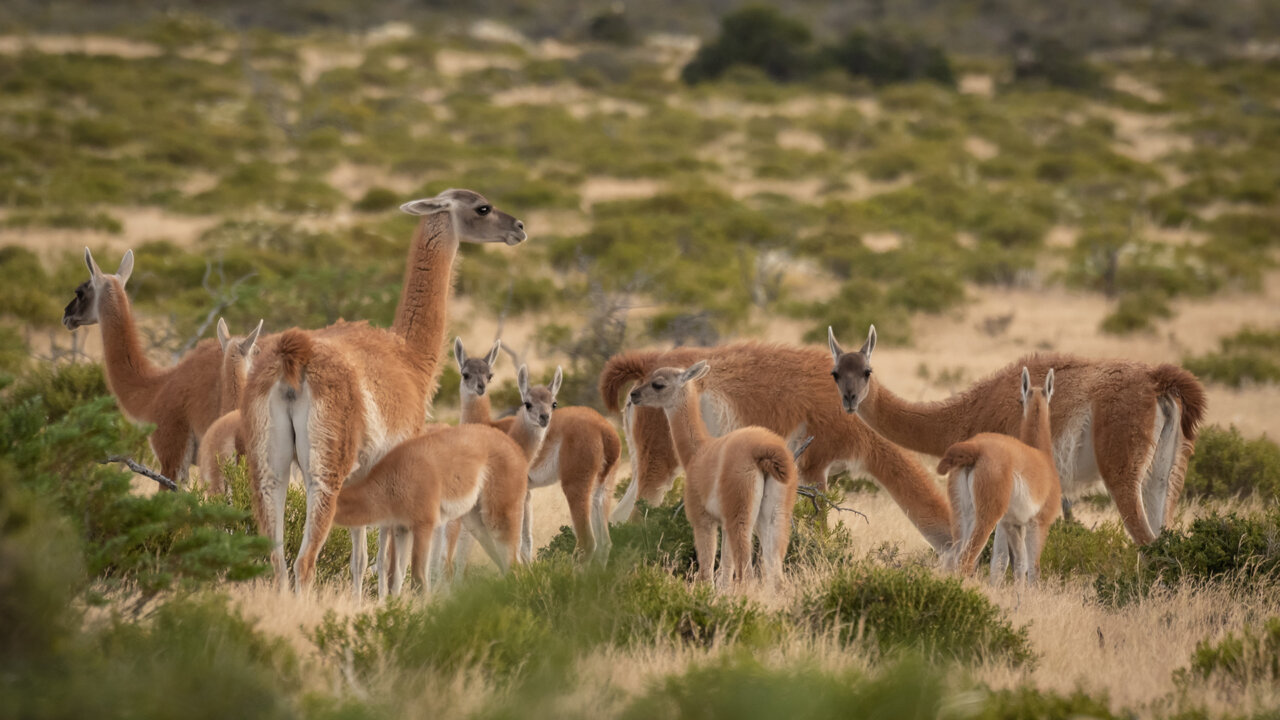
WCS safeguards Patagonia’s grasslands, protecting guanacos, pumas, and other native wildlife while promoting ecological integrity and grassland regeneration. Photo credit: ©️WCS.
WCS works in some of the world’s largest remaining intact grassland landscapes, which support wide-ranging umbrella species that include snow leopards, saiga antelope, Mongolian gazelles, khulan (Mongolian wild ass), Tibetan antelope, guanaco, caribou, and large African migratory ungulates. These species require connected and highly intact ecosystems—from Alaska and Patagonia to Africa’s Miombo woodlands and the steppes of Mongolia.
One of the highlights of my visit to Mongolia will be learning about a program run by WCS and partners to empower local women from the Gobi Desert. Drawing on generations of local knowledge, these women are helping protect freshwater springs, wildlife such as the khulan and goitered gazelle, and vital ecosystems, documenting and sharing their experiences to inform conservation both within Mongolia and beyond. I look forward to meeting some of these women leaders when they travel to Ulaanbaatar to attend the UNCCD CoP.
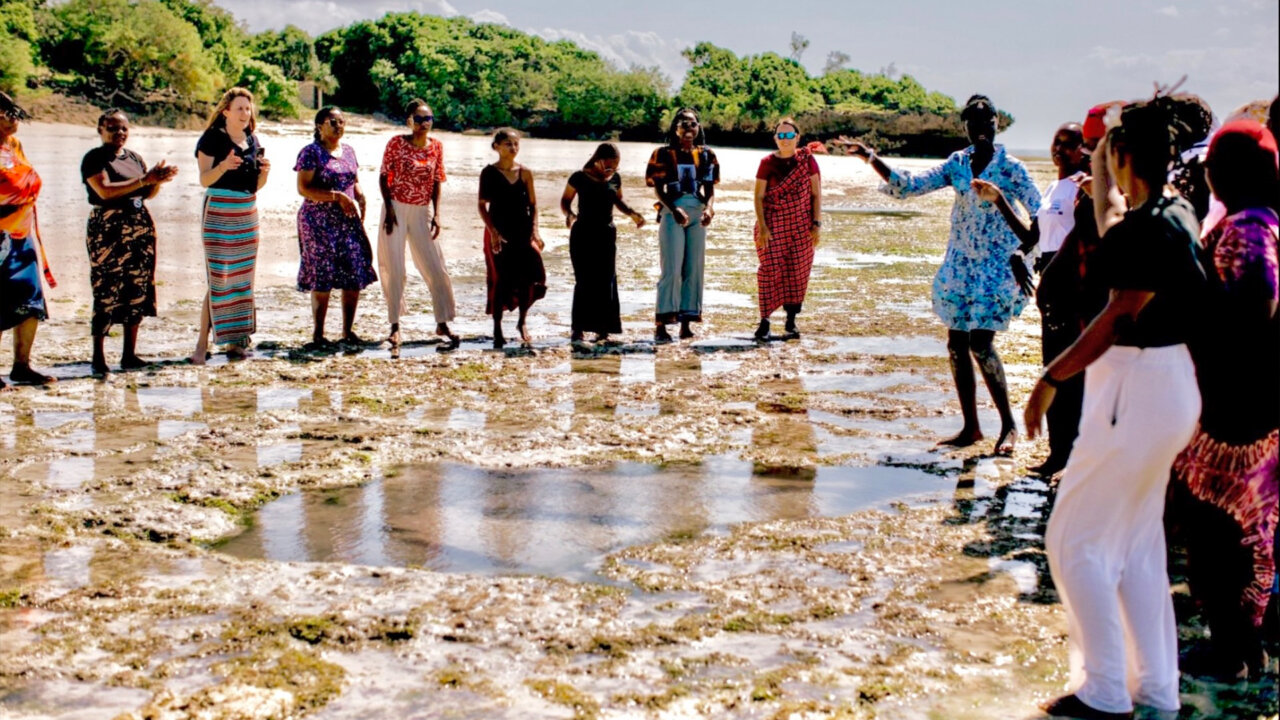
Participants in the Women Oceans Guardian Africa initiative gather by the ocean in Kenya during the June 2026 Our Ocean Conference. Photo credit: Kang-Chun Cheng ©️WCS.
The ocean comprises about 71 percent of our planet’s surface—and rangelands cover 40-50 percent of the Earth’s land surface. The UN estimates that the ocean and coasts provide livelihoods for over 3 billion people globally, and rangelands support another 1 billion people. Those more than 4 billion of us, about half of all people on earth, need healthy, high ecological integrity ecosystems for a sustainable, healthy future. We cannot succeed if we do not empower women and girls.
I work at the global policy level, leading WCS engagement with multiple treaties and agreements, to use our scientific and technical expertise to convince governments to take actions to save biodiversity—but none of that matters without local empowerment.
Whether that’s leveraging resources directly into local communities and women leaders, or using the latest global science to identify and protect coral reefs and grassland ecosystems, conservation is stronger and more sustainable when we are ALL empowered—when we connect with both the women ocean guardians and the women of the Gobi.
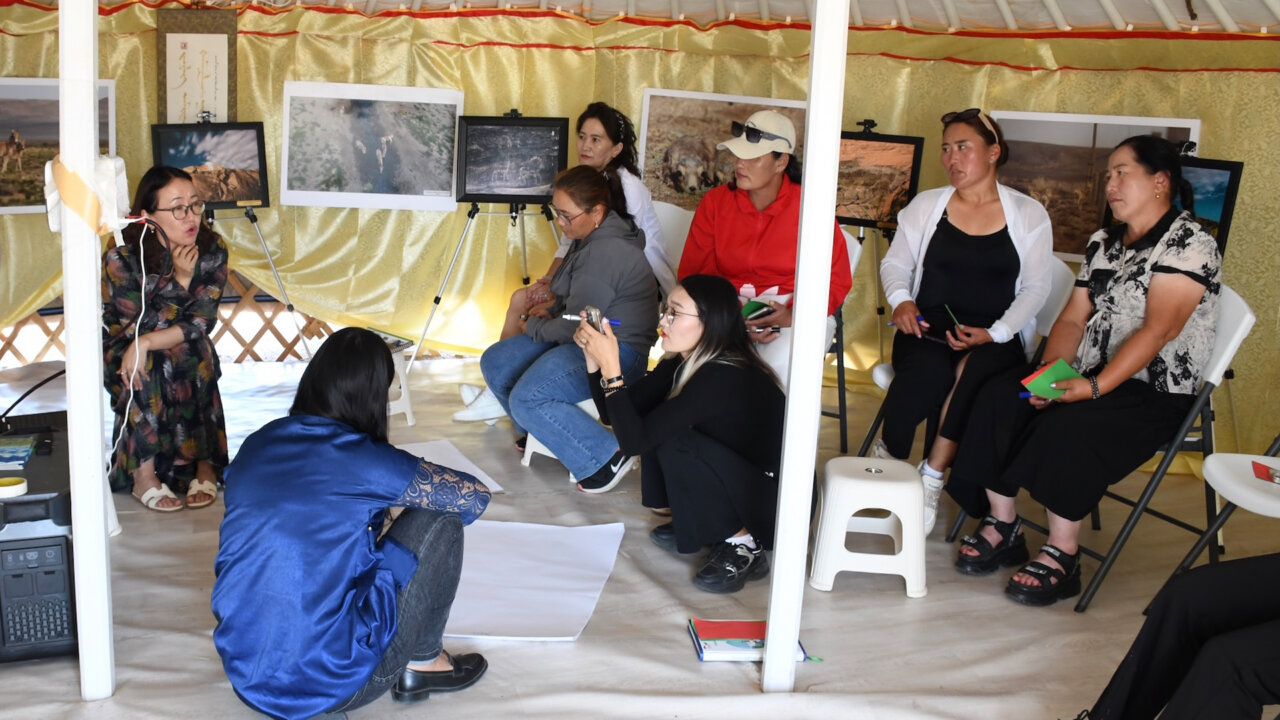
Women conservation champions at a research camp in the Eastern Gobi Desert, August, 2025. Photo credit: Khash-Erdene Bayarsaikhan ©️WCS Mongolia
With my WCS colleagues, I am dedicated to protecting and conserving wildlife and wild places. To succeed, policies must directly empower the permanent stewards of those places—particularly Indigenous and local women, park rangers, and local advocates. It is not only vital that women have a seat at the table, but that we women help design and build the table and are all fully empowered.
From the Women Ocean Guardians to the women herders of the Gobi, empowering half of humanity is a vital mechanism that bridges grassroots frontline realities with national and multilateral accountability and international policy and governance. I like to think of it as connecting the grassroots and the grass tops.
I have been deeply motivated by my experience with the Women Ocean Guardians in Kenya, and I look forward to meeting the women of the Gobi this month.