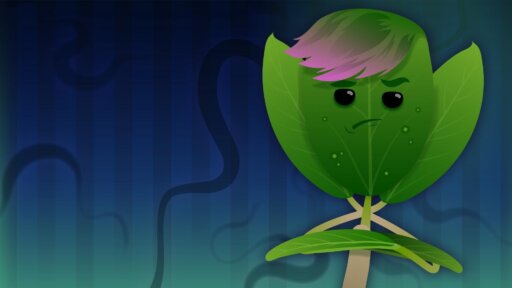
At first glance, plant and animal cells have a lot in common: they’re both highly organized, keep their DNA tucked away in an envelope, and are kinda juicy inside. But plant cells have evolved some wild features that set them apart from animal cells. In ...
When you eat a salad for lunch, you’re digging into a giant pile of plant organs. That’s right—plants are made up of organs, only theirs follow a totally different set of rules from our own. In this episode of Crash Course Botany, we’ll explore what ...
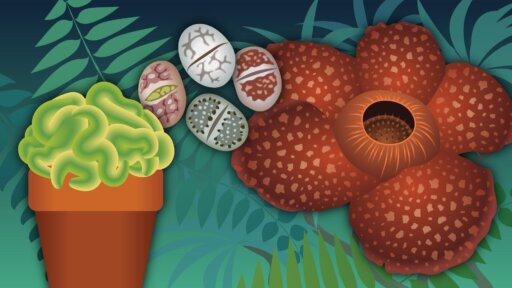
Plants have got you surrounded. They’re in your toothpaste, your bedsheets, and your regular Taco Bell order. In this episode of Crash Course Botany, we’ll find out what botanists study and how knowledge of plants can help you navigate everyday life. Along the way, we’ll ...
Pando, Latin for 'I spread,' appears to be a forest but is actually one massive tree. Weighing 13 million pounds, Pando is one of the world’s largest living organisms. It has thrived in Utah's Fishlake National Forest, spreading across 106 acres with 47,000 stems. Find ...
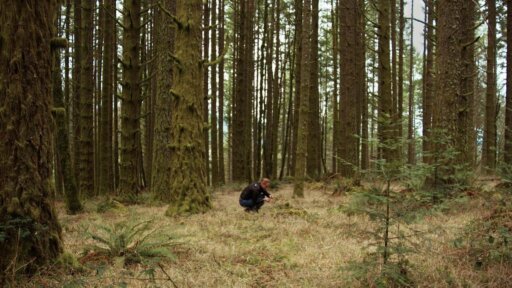
In kitchens around the world, truffles represent culinary excellence and prestige, but in the forest they’re just another flora fighting to exist, using somewhat…unusual methods. In the lush woodland of the Pacific Northwest, these modest mushrooms’ adaptation strategies are promoting not only their own survival, ...
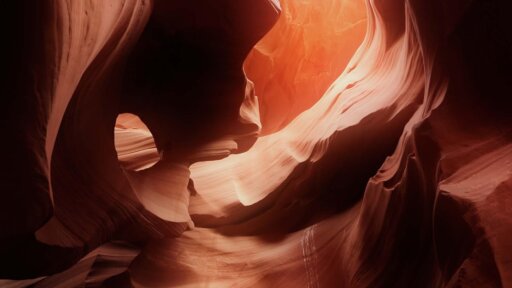
Antelope Canyon might be the most visited and photographed slot canyon in the world, but there is more to this ancient sandstone structure than meets the eye. Formed millions of years ago, and revered as a spiritual site for the Navajo Nation, the origins of ...
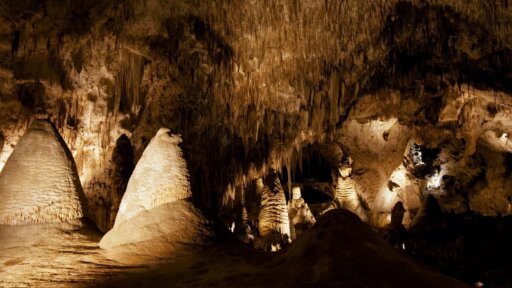
Below the Chihuahuan Desert in southeastern New Mexico, lies an extensive system of limestone caves, among them the famed Carlsbad Cavern, home to one of North America's largest underground chambers. But there is more to this subterranean world than gigantic geological formations. It is also ...
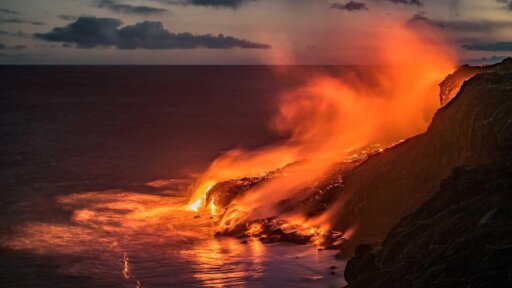
Kilauea in Hawai’i has been in a state of near-constant eruption for decades, providing researchers with a uniquely reliable setting to study one of our planet’s most unpredictable and destructive forces. In a time of climate panic and tangible ecological destruction, what can we learn ...
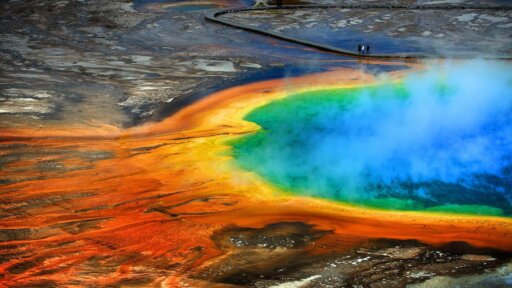
The Grand Prismatic Spring is the most recognizable thermal feature of Yellowstone National Park, but some of its most fascinating features are invisible to the naked eye. Underwater exists a diverse system of microbes which scientists have been studying for decades, and have been the ...