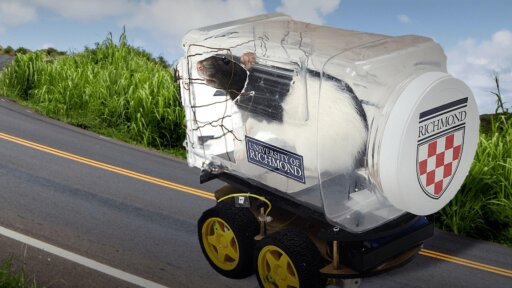
Rats are fascinating study subjects because of their unique status in the scientific community and laboratory environment! They aren’t just good at solving mazes, they can comprehend complex concepts like sharing and treat others as you would like to be treated. They understand when they’re ...
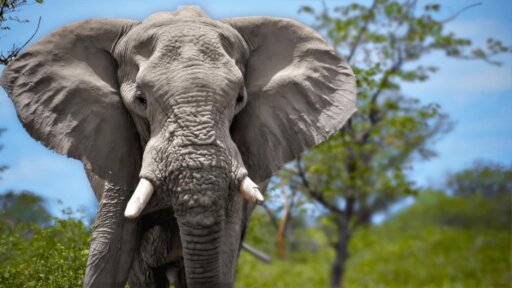
African elephants are known to recognize groups of humans, to test electric fences with their tusks to avoid injury, and (of course) can remember paths to resources passed down to them decades earlier. But, can elephants cooperate to solve a puzzle? How good are they ...
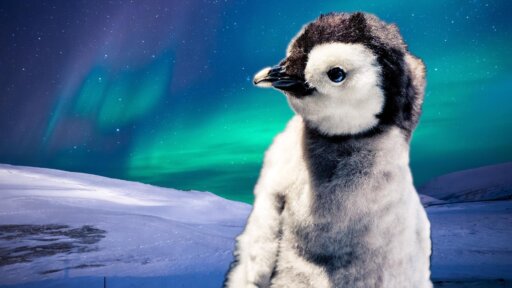
Penguins are fascinating creatures, not just because of their physical characteristics. They’re amazing at creating mental maps, can recognize each other’s calls, and hunt in a coordinated way. Penguins might not be the smartest animal on our list, but they’re pretty incredible in their own ...
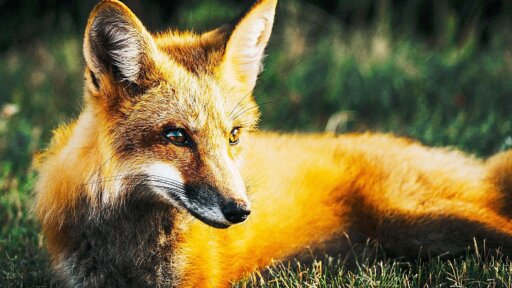
Foxes are described as “dog hardware running cat software.” These animals are incredible problem solvers, build extremely detailed mental maps of their environment, and can recognize individuals. Over the last 70 years, some foxes were selectively bred to be friendly to humans, and these descendants ...
The humble dog has been adapting and evolving alongside humanity since before we learned agriculture and how to make our own tools. This long history means dogs are incredible at human-canine interaction but is there a downside to this all human-focused adaptation? Hosts Natalia Borrego ...
In this final episode of Crash Course Zoology, we review everything we've learned and even look at advances in the field that took place in just the 14 weeks of this course! Rae also shares various ways YOU can get involved in the zoology field!
In the penultimate episode of Crash Course Zoology, we use everything we've learned so far to try and figure out what a "species" even is anyway! As you'll see, the incredible diversity of animals makes it really difficult to fit animals into neat categories so ...
There are so many more questions we have yet to answer in Zoology so grab some fossils, fire up the DNA sequences, and bring your best hypothesis as we try to figure out where all the baby eels are, explain why spiders seem so lonely, ...
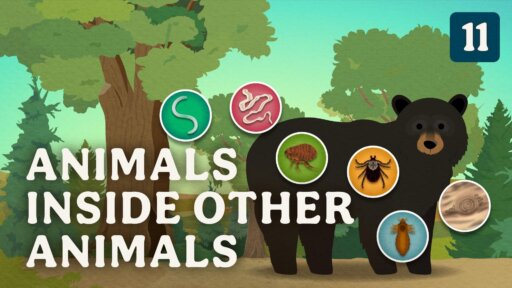
Nearly every environment on Earth — and that includes animals — is home to some kind of parasite. We explore parasites not just because they’re an essential part of their ecosystems, but also because by studying them we can learn more about their hosts and ...