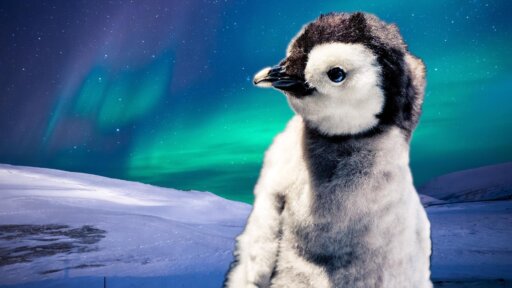
Penguins are fascinating creatures, not just because of their physical characteristics. They’re amazing at creating mental maps, can recognize each other’s calls, and hunt in a coordinated way. Penguins might not be the smartest animal on our list, but they’re pretty incredible in their own ...
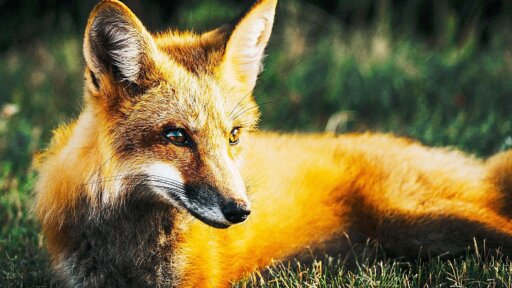
Foxes are described as “dog hardware running cat software.” These animals are incredible problem solvers, build extremely detailed mental maps of their environment, and can recognize individuals. Over the last 70 years, some foxes were selectively bred to be friendly to humans, and these descendants ...
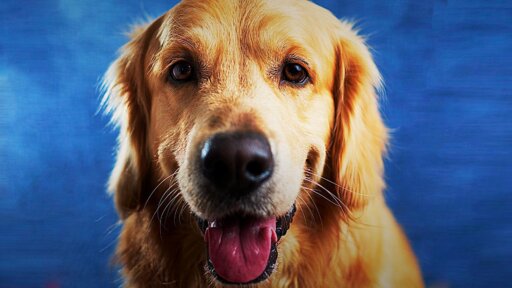
The humble dog has been adapting and evolving alongside humanity since before we learned agriculture and how to make our own tools. This long history means dogs are incredible at human-canine interaction but is there a downside to this all human-focused adaptation? Hosts Natalia Borrego ...
Tolga Aktas is a UK-based conservation biologist who participated in Black Birders Week. “Growing up, there weren’t many outlets showing diversity, so I was only able to be inspired by white conservationists and naturalists,” Aktas said. “The Black Birders Week movement allowed me to see ...