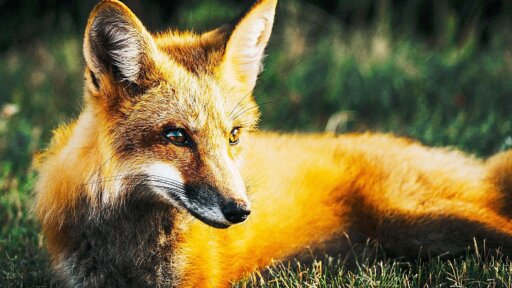
Foxes are described as “dog hardware running cat software.” These animals are incredible problem solvers, build extremely detailed mental maps of their environment, and can recognize individuals. Over the last 70 years, some foxes were selectively bred to be friendly to humans, and these descendants ...
After each NATURE premiere, we gather online videos we love into a playlist. From our newest film to incredible footage from around the web, here were our favorites. And don't forget, you can always subscribe to our newsletter so you don't miss a thing! In Case ...
Today, Veterinarian Dr. Dan Smith answered questions, live, on our Facebook page. We've collected some of the most pertinent responses and shared them below to keep you informed. Have more questions? Let us know in the comments. Updated March 31, 2020:It was recently reported ...
Mountain lions and wolves have suffered from our ignorance ever since pioneers inundated their wilderness homes. But an emerging view of mountain lions’ unique ecological role is coming into focus.
There are few conservation stories as inspiring as that of the reintroduction of the magnificent Iberian lynx. Once considered the most endangered cat in the world, the only thing that could save it was the collaboration of hundreds of passionate people, all with the same ...
Despite their visibility in popular culture, tigers are one of the most threatened big cats in the world. With their populations shrinking in the wild, they could go extinct if we become too complacent.
Many of you have asked why some of the stars of the Super Cats miniseries can be seen wearing radio collars, including the black-footed cat called Gyra featured in episode two. We asked Dr. Alexander Sliwa, leader of the Black-footed Cat Working Group and scientific ...
Super Cats: A NATURE Miniseries features a footage of several cats that have never been caught on film before. The crew shares some of the insights from the shoot and some moments they will never forget!
Black-footed cats are Africa’s smallest cat and the deadliest of the entire cat family - with a 60 percent hunting success rate. New technology finally allows us to follow this tiny predator on her nocturnal pursuits.