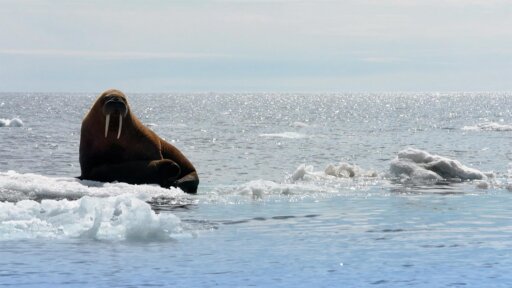
The Arctic “death spiral” refers to the rapid loss of sea ice caused by climate change. For walruses, this means losing the ice platforms they rely on to rest, raise their young, and hunt. Discover how melting sea ice is reshaping their future.
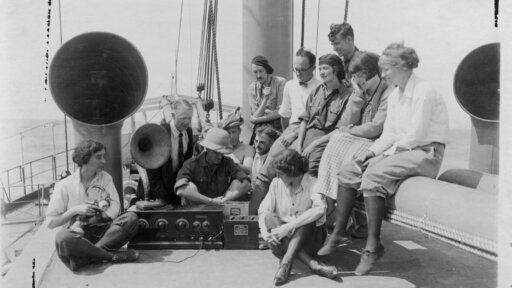
This piece comes to us from the Wildlife Conservation Society (WCS). https://www.youtube.com/watch?v=viKTibeaooc In the spring of 1925, the research vessel Arcturus slipped away from New York Harbor under the leadership of New York Zoological Society (NYZS) explorer William Beebe. Its voyage would take it down ...
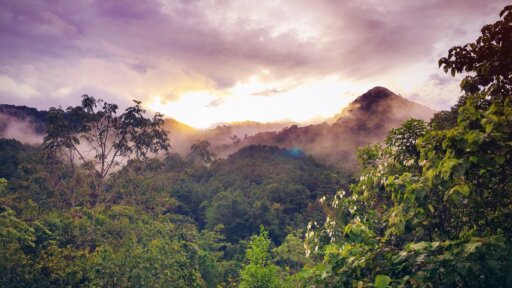
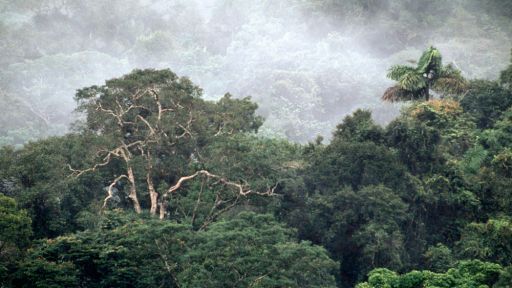
This piece comes to us from the Wildlife Conservation Society (WCS). https://youtu.be/MlC8Ok_jlXk?feature=shared Tropical rainforests regulate the global climate and sustain the planet’s richest biodiversity. Yet, despite more than a decade of government and corporate pledges to end tropical deforestation, the world lost a record 6.7 ...
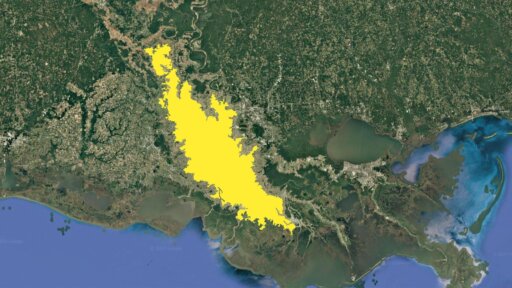
In the Atchafalaya Basin—the largest river swamp in the U.S.—ancient cypress trees act as natural barriers against hurricanes and extreme weather. Spanning a million acres, these nearly indestructible trees have protected Louisiana's coast for thousands of years. How does this million-acre ecosystem protect Louisiana’s communities, ...
This post comes to PBS Nature from World Wildlife Fund (WWF). WWF and Nature are collaborating on a series of blog posts from WWF conservation scientists that will share the stories and motivations behind cutting-edge conservation research. It’s a daily dilemma—you’re getting ready for the ...
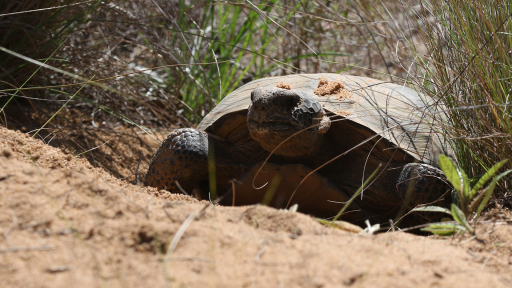
Extreme weather and climates can threaten local animal populations. From hurricanes to wildfires to subzero conditions, these animals have found a way to adapt to harsh climates: Gopher Tortoise The Sunshine State has a history of battling raging wildfires and powerful hurricanes. A world ...
Earlier this week, the United Nations’ Climate Action Summit gathered in New York City to discuss their plans to dramatically cut greenhouse gas emissions. This meeting kicked off Climate Week and in that spirit, we've rounded up the following nature-focused articles and events that delve ...
Cool temperatures and moist soil are optimal for the most spectacular displays of fall color. However, with the earth's rising temperatures and more extreme weather events, autumn might not look or feel quite like it used to.