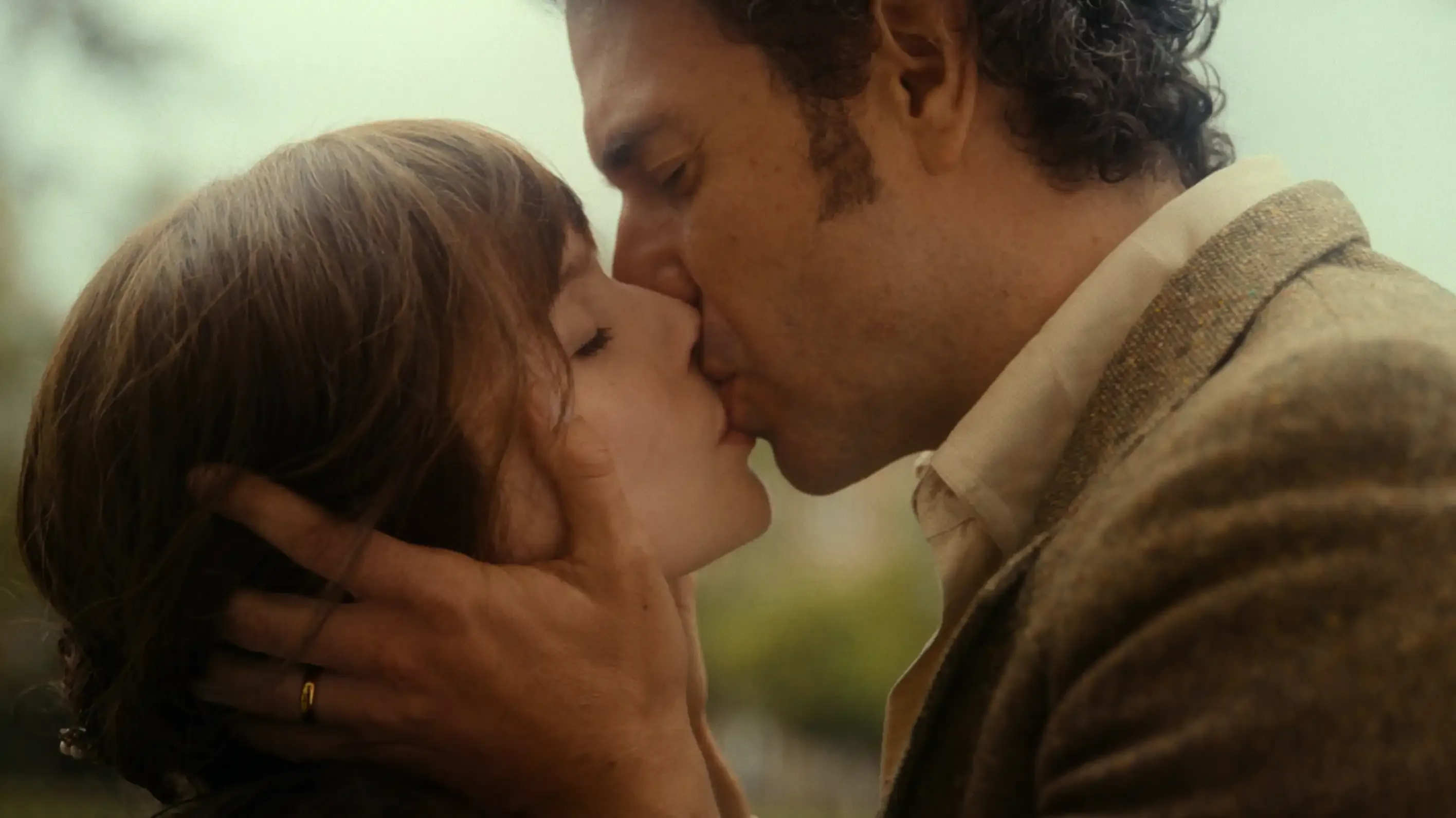
Everyone loves a good musical: The music, the sets, the drama! Great Performances celebrates all things Broadway each year with its “Broadway’s Best” lineup featuring musicals and more, and in Happiness, a Broadway director and golden boy returns home after a 20-year career reaching the top of the musical theatre world to help his mother at the local community musical theater.
But what makes a musical? Let’s break it down by its parts: The book, the music, and the lyrics.
The Book
Also known as the script, the book is the story, the backbone, and the structure that holds the show together. Some shows put more emphasis on a narrative to drive the story (like “Annie,” “The King and I,” “Chicago,” etc.), but some take a looser approach, focusing on themes or feelings (like “A Chorus Line,” “Assassins,” “Songs for a New World,” etc.).
When drafting a musical, though, everyone’s process may vary, the story is often laid out in scenes and dialogue is written, but some scenes are played out in song. This is a key difference between musicals and opera, where in the former, there is dialogue, and in the latter, there is only song.
The Music and Lyrics
Arguably the most memorable part of a musical, music (also known as the score) and lyrics perform several functions for the show: They can communicate a character’s desires, convey their thought process, show action, and/or just establish setting and mood. While songs can advance the plot, sometimes they just offer insight into and deepen the world of the show.
As songs can communicate so many different things, let’s break down some of the main functions of songs in a musical: 5, 6, 7, 8….
The “I Want” Song
A set-up for the rest of the show, the protagonist sings about whatever they desire, whether it be another character’s affection, status, or a new way of life. This sets up the character’s journey and often serves as the character’s objective throughout the show.
Examples include “The Wizard and I” from “Wicked,” “The Surrey with the Fringe on Top” from “Oklahoma!” and “My Shot” from “Hamilton.”
The “Reflection” Song
Taking a beat to look within and examine their desire and journey, this type of song allows the audience to see inside the character’s mind, exposing their thoughts and feelings.
Examples include “I Dreamed a Dream” from “Les Misérables,” “I Know Things Now” from “Into the Woods,” and “She Used to Be Mine” from “Waitress.”
The Ensemble Number
Usually large and impactful, this song showcases the show’s ensemble and can include choreography that dictates the tone of the show at that moment.
Examples include “Masquerade” from “The Phantom of the Opera,” the title number from “42nd Street,” and “Too Darn Hot” from “Kiss Me, Kate!
The Reprise
This special type of song uses music to harken back to a previous moment in the show with a new perspective. Though not an identical repeat of a previous song, it often uses the same melody to convey something different and/or is sung by another character.
Examples include “You’ll Never Walk Alone (Reprise)” from “Carousel,” “One (Reprise)” from “A Chorus Line” and “I’ll Cover You (Reprise)” from “Rent.”
Ready To Put All the Pieces Together?
Go behind the scenes with the musical comedy Happiness and stream the entire series on pbs.org and the PBS app, and be sure to check out the most awe-inspiring and tear-jerking moments theatre has to offer with Broadway’s Best from Great Performances!
The best of PBS, straight to your inbox.
Be the first to know about what to watch, exclusive previews, and updates from PBS.