

Make Your Own Sundial


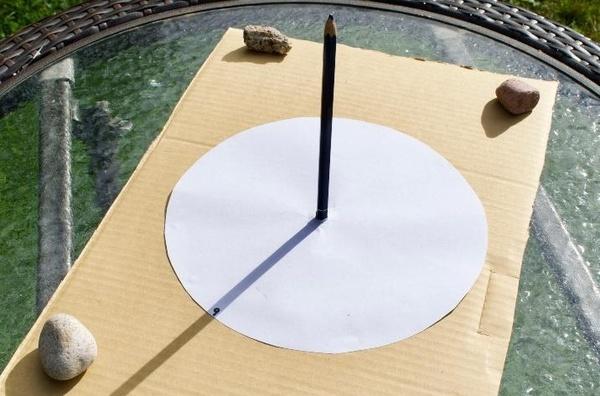
Following the movement of a shadow during the day is a way to track time. Try it yourself by making a sundial.
Let's Make a Sundial
A very long time ago (long before there were digital clocks and mobile phones), people used a sundial to tell time. A sundial may consist of a round plate with a vertical stick, called a gnomon, that casts a shadow on the dial. On the plate of the sundial are numbers for each hour of the day. The gnomon's shadow points to the time.
Materials
Directions
Gather your supplies.
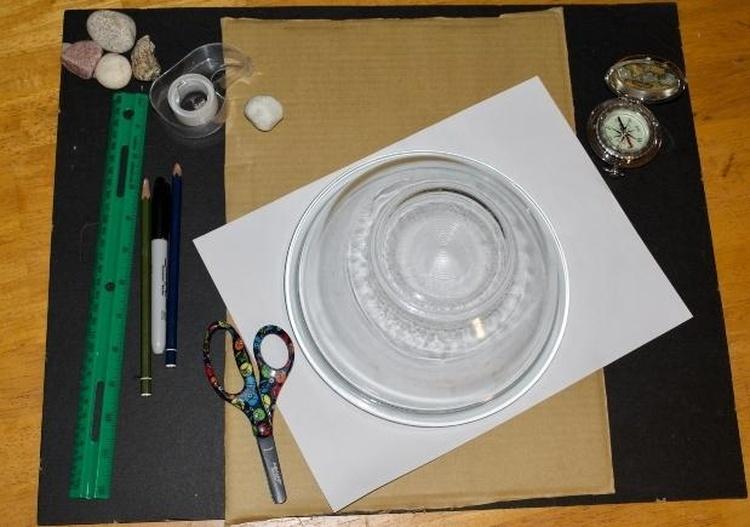
Turn your bowl upside down on your piece of paper and trace a circle. Cut out the circle.
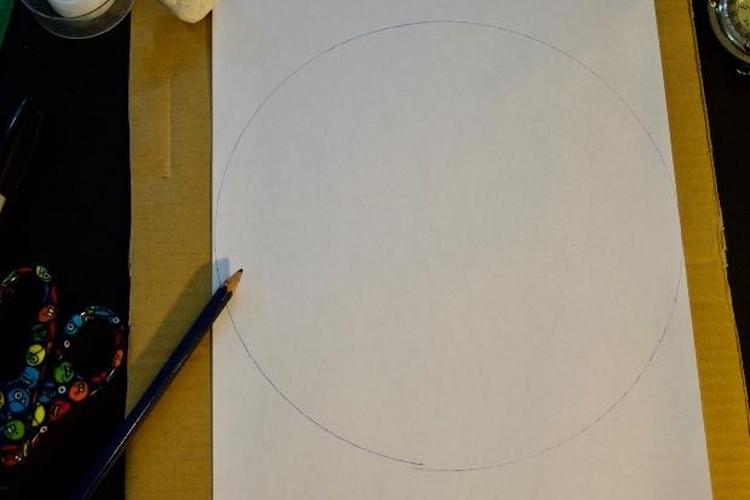
Poke a small hole in the center of the circle. (An estimate is fine, or you can use a ruler to find the center.) The hole should be no wider than the pencil or stick you’ll use for the gnomon.
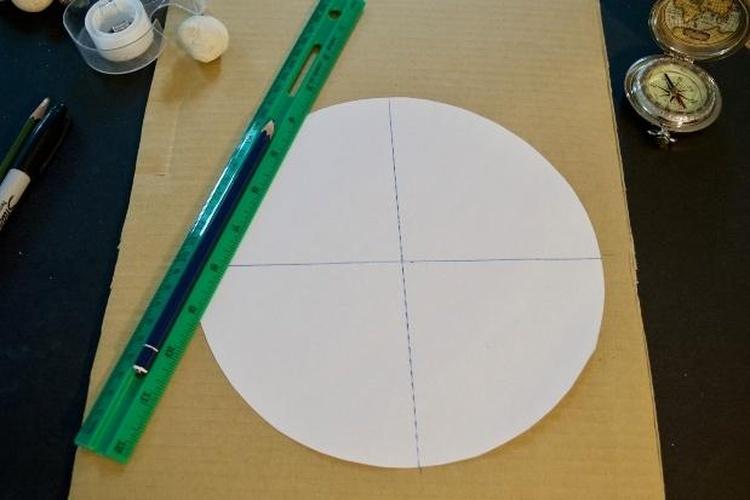
Place a small ball of mounting putty or class in the center of the piece of cardboard, and push the eraser-side of the pencil (gnomon) into the putty. Test to make sure the pencil stays upright.
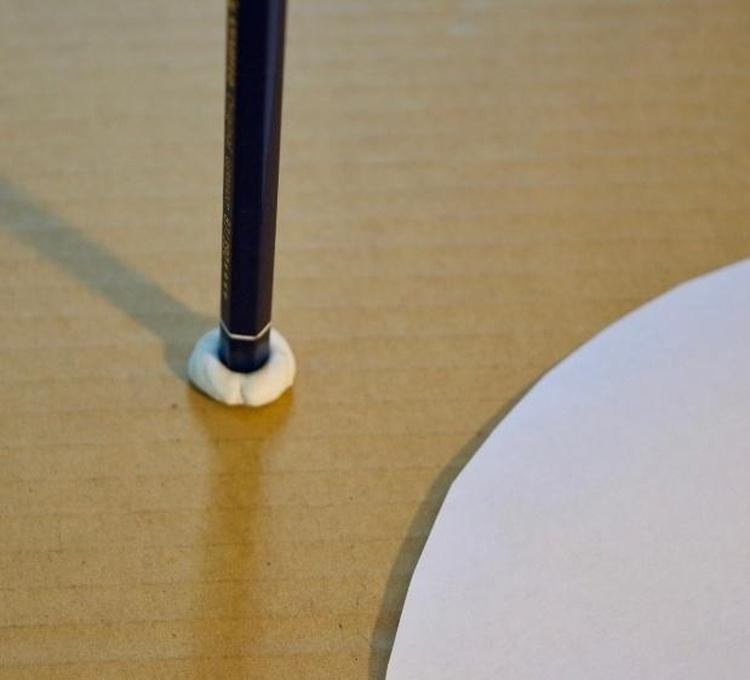
Once your pencil is secure, slide the paper all the way down to the cardboard and press firmly to flatten the putty/clay. If there are marks on one side of the paper, keep the blank side up.
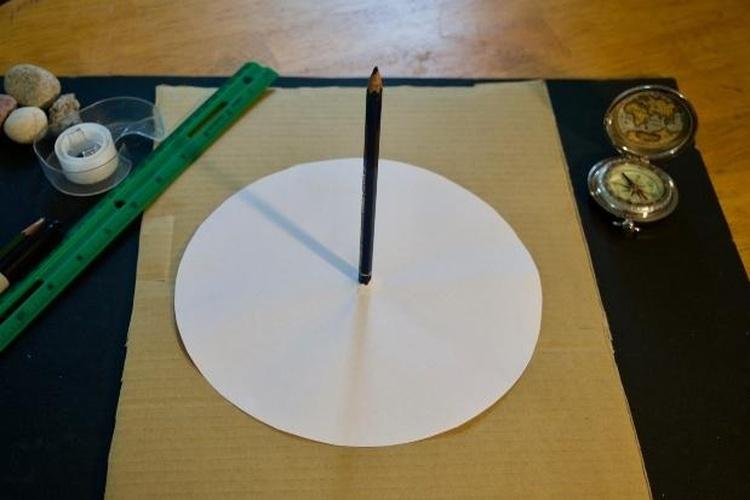
Find a flat spot outside that will stay sunny for all or most of the day and place your sundial on the ground or outdoor table. Choose a spot that won’t be disturbed by foot traffic, including the muddy paws of your favorite four-legged friend. (Ahem, Hal.)
Secure the base of your sundial so it won’t move using either small stones or clear tape. It’s important your sundial stays in the same place while you are making it.
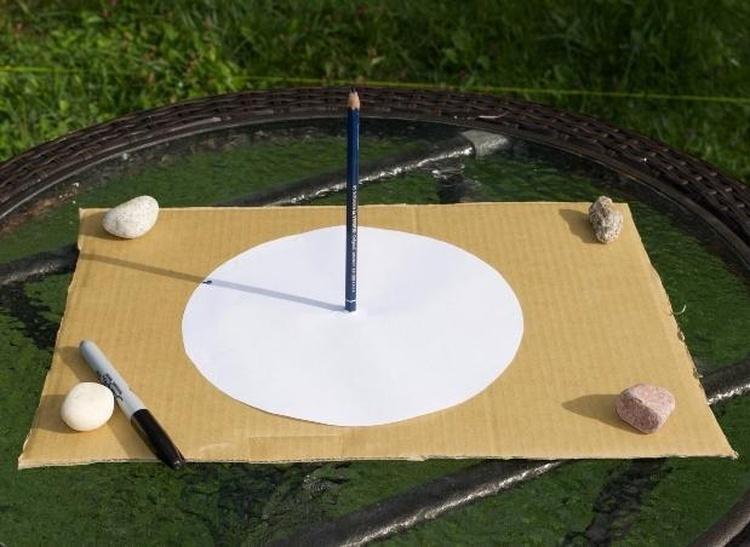
Check the time and set an alarm for a few minutes before the beginning of the next hour.
When your alarm sounds, head outside to your sundial with the marker. Where the shadow meets the edge of the circle, write the time (whole hours only). Set your alarm for the next hour and repeat until your sundial is in the shade or the sun sets and there are no more shadows.
If it isn’t going to rain, leave your sundial in place and use it to tell time the next day.
Tips for Success
Check the weather forecast. You’ll need a sunny day to fill in your sundial. Two or three sunny days in a row will let you use your sundial to tell time once it is finished!
Prepare your sundial the day before it will be sunny so you are ready to start filling it in the following morning.
A Closer Look at Sundials
Today, we often like to know exactly what time it is. Sometimes down to the second! But a sundial doesn’t even count minutes. It also doesn’t work on cloudy days or at nighttime. And you can’t wear one on your wrist! What do you think it would be like to tell time with a sundial for a day?
Head outside to your sundial with a compass. At noon, the gnomon’s shadow on your sundial should point towards north (unless you live in the southern hemisphere). Toward which direction does the shadow point at 3 or 9?
Note for Parents and Teachers
Disclaimer! Making an accurate sundial that will work throughout the year is above the skill level of Nature Cat’s viewers. This activity is more about tracking shadows than telling the exact time. Have fun!
 Science