

Planning for Your Child’s Eye Doctor Exam
By Fred Rogers Productions
Oct 7, 2026
Share


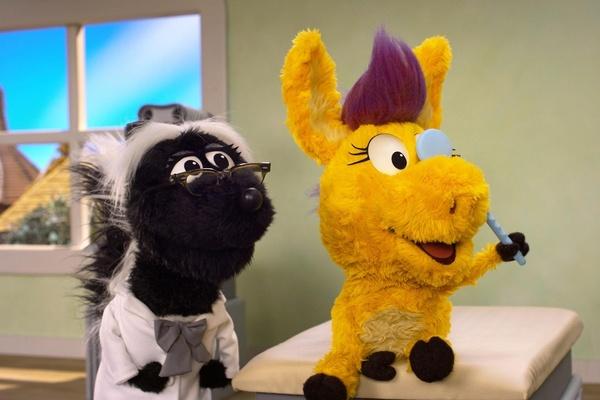
A visit with an eye doctor for an eye exam can feel like a big, unfamiliar step for kids and parents alike. The good news is that a little preparation goes a long way. Here are some strategies to help your child feel calm and ready for the exam. Print a PDF of the strategies here!
Before the Visit
- Talk about what to expect. Explain how the doctor will use special lights, magnifying tools, and charts to check their eyes. Use words that will be easy for your child to understand. Remember to keep your explanation simple and positive.
- Watch Donkey Hodie: “Donkey’s Eye Exam” together. Donkey Hodie feels nervous about her first eye exam, and Purple Panda helps her learn what to expect. This episode is a thoughtful, gentle way to begin a conversation about an eye exam. Each step of the exam is explained, and Donkey shares, “Learning about something I’m afraid of makes it feel less scary.”
- Role play at home. Your child can use a flashlight or a toy on a stuffed animal or a favorite toy character to “check their eyes,” or take turns being the doctor and patient. Practicing the steps ahead of time can help the real exam feel familiar later. Remind children to not use a flashlight on their own eyes or on other people.
- Practice the eye chart. Children are usually asked to name or point to letters, shapes, or pictures (like a hand, bird, or horse). Ask your doctor which type of chart they use and practice naming those symbols at home. Pack for a longer visit. Exams can take anywhere from 1 to 2 1/2 hours, especially if the exam includes eye drops and dilation. Bring a favorite toy, book, or comfort item.
- Bring sunglasses. If your child’s eyes are dilated during their exam, their eyes will be sensitive to sunlight for a few hours.
- Time it well. Try to schedule the appointment when your child is rested and fed.
- Think of questions in advance. Jot down any questions you might have for the doctor ahead of time.
During the Visit
- Help narrate each step. You can help the healthcare team as they let your child know what’s happening and what’s next. Remind your child that you’ll be there the whole time.
- Help explain the tools simply. If your child has questions about the tools the doctor is using, encourage them to ask. You can help, too, by trying to explain things in simple language that is familiar to your child.
- Prepare for eye drops (if used). These widen, or dilate, the pupils so the doctor can get a good look inside. You might tell your child the drops feel “like a snowflake that landed in your eye”—a little cold, then gone in a moment. Their eyes may sting briefly, so you may need to hold your child’s hands to prevent them from rubbing. If drops are used, you’ll typically wait 30-45 minutes in the waiting room for their eyes to fully dilate.
After the Visit
- Take time to reflect. Talk with your child after the exam and ask them how they are feeling. Take time to answer any questions they might have. If they ask questions that you don’t know the answers to, let them know that you can find out more information together. A calm, reassuring conversation now can make the next exam easier.
- Expect some temporary blurry vision. If eye drops were used during the exam, your child’s vision may be blurry for a few hours, so plan the rest of your day accordingly.
 Author:
Here comes Donkey Hodie! With a hee and a haw, this little donkey can do big things.