Explore the Life Cycle of a Frog — and Act it Out!


The Kratt Brothers are always ready for an adventure — especially when they visit the eastern United States to learn about the American bullfrog. Let the learning leap from the screen and into your living room by exploring the life cycle of a frog with your child.
In this activity, invite your child to combine art, science and imaginative play to make new discoveries about one of nature’s most amazing animals. First, create a life cycle diagram with your child. As your child draws the diagram, offer guidance on the stages but allow your child to draw the stages however they like. Then, watch your child use their imagination when acting out each stage.
Materials
Directions
Metamorphosis is the scientific term for the physical changes and stages that an insect or amphibian experiences during growth from birth to adulthood. Frogs are one of the animals that go through metamorphosis. In this activity, you and your child can create a diagram showing the lifecycle of a frog. Start by researching life cycle diagrams online or by checking out a book about frogs at your local library. Many frog species go through the same stages of metamorphosis, so there are lots of different species to choose from.

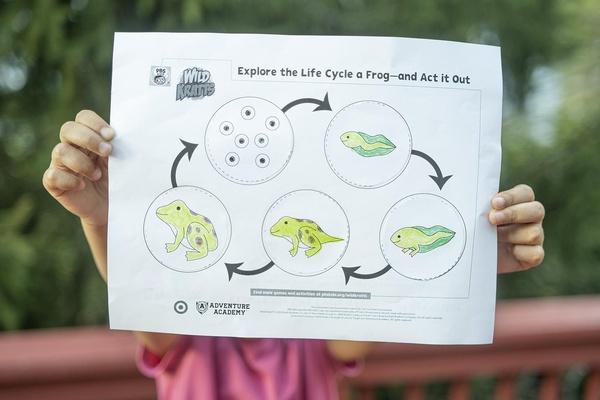
Using the Explore the Life Cycle of a Frog diagram, point out the pictures used in the diagram and ask your child questions about the pictures. What does the frog look like in each stage? How has it changed or grown? Print out the diagram and color it in, or use it as a guide to help your child draw your own. You can also take turns drawing one step of the diagram, helping each other along the way.
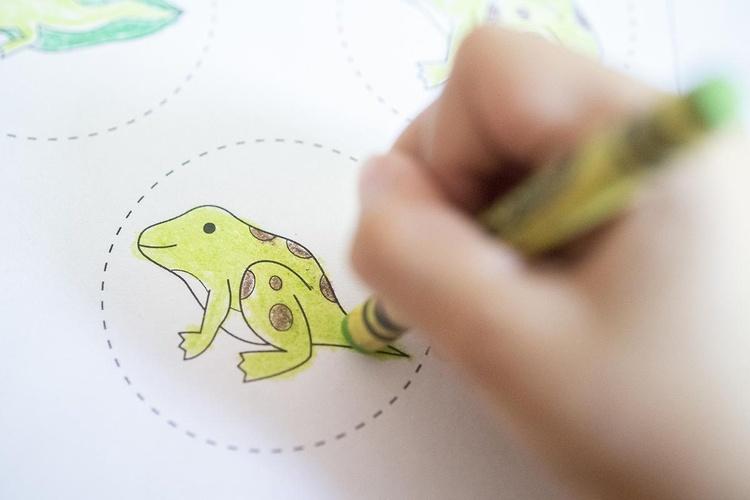
Invite your child to color the stages on the diagram.
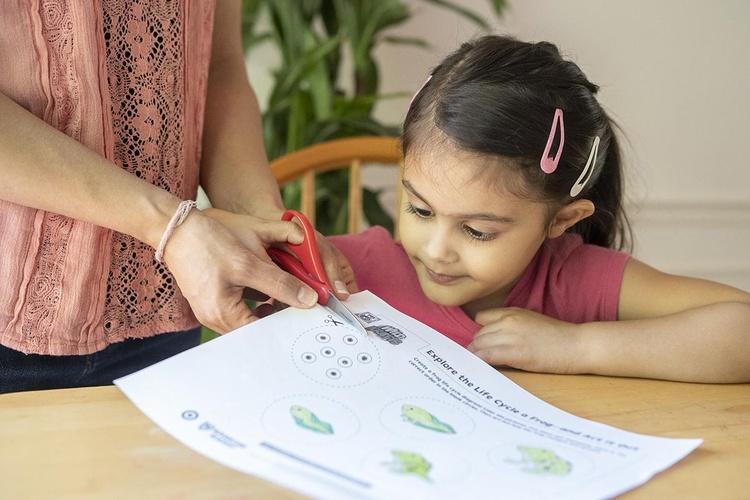
Next, cut out the life cycle stages. As you go, talk to your child about each stage. For example, point out that many frogs start out as eggs.
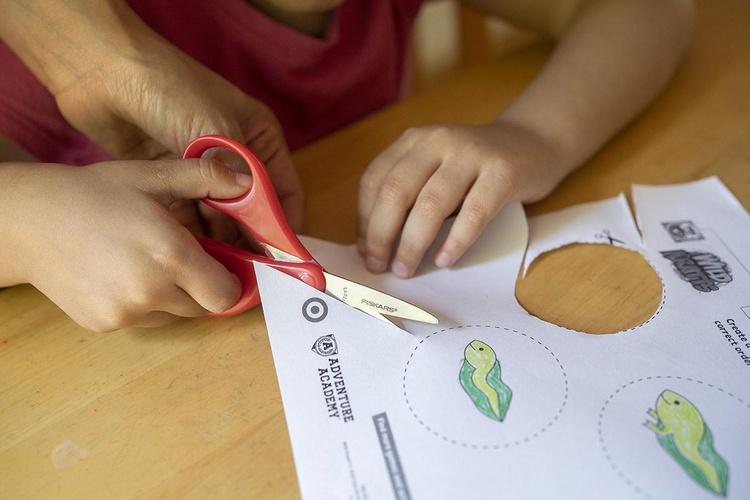
As you continue cutting, continue talking. In the tadpole stage, they look nothing like frogs and more like a fish without fins! Ask your child what they notice about these baby animals compared to grown-up frogs. What do frogs have that tadpoles don’t have? What do tadpoles have that frogs don’t have? (Fun fact: Tadpoles are also called polliwogs!)
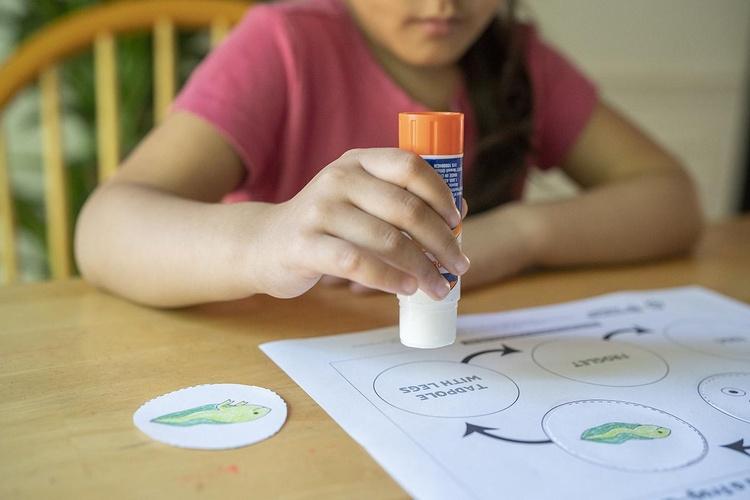
Continue working on the diagram together by having your child start gluing the stages on the provided diagram. Notice that after the tadpole stage, it starts to grow its front and back legs. The legs are pretty short and the tadpole still has a tail. At this stage, it is beginning to look like a frog. Ask your child: How do other animals change as they grow?
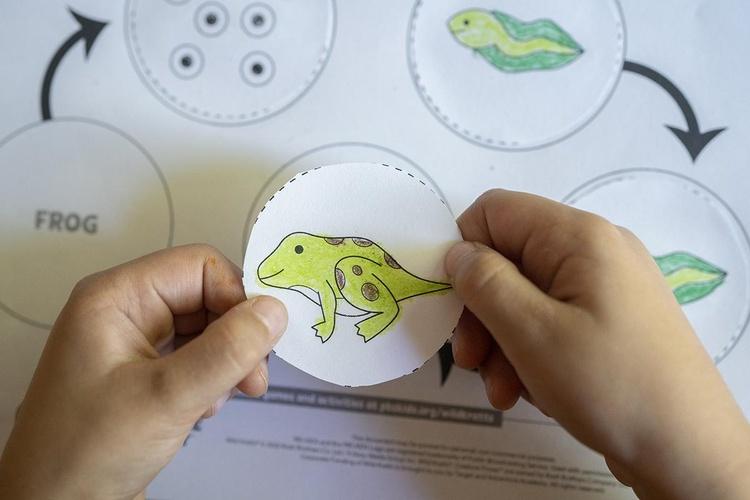
Now, include a froglet on your diagram. This is what a frog that has just changed from a tadpole is called. It has four little legs and it still has a tiny tail. At this stage, the developing frog also has lungs. Ask your child what they notice about where a baby frog lives and how it breathes. Then, talk about where an adult frog lives and how it breathes. Point out that while it grows from a baby to a grown-up, it develops organs that help it live outside of water.
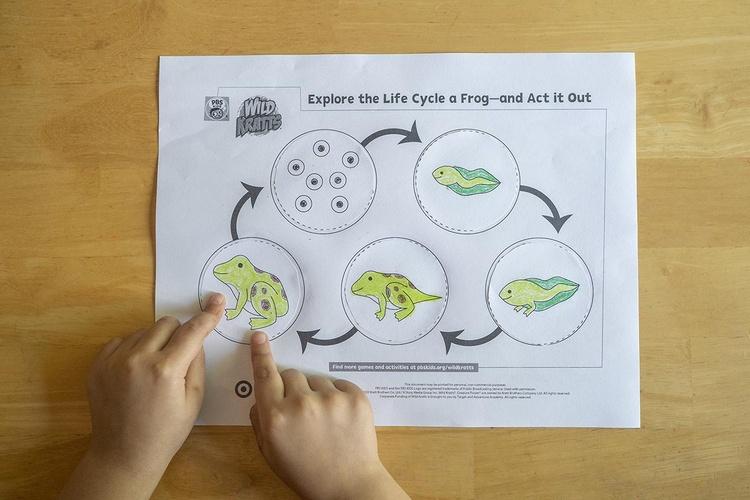
Finally, add an adult frog to the diagram. By this time, the frog has lost its tail and has fully-grown legs. Ask your child to look at the life cycle diagram and point out three things they notice. If needed, help your child make observations by making your own observations.
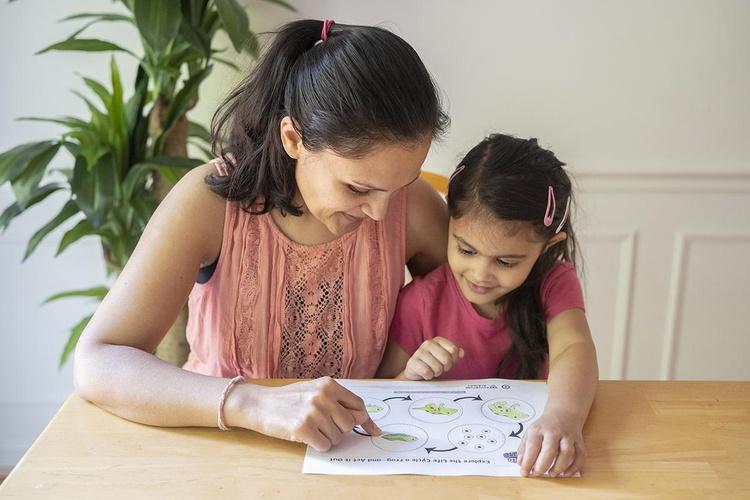
Now it’s time to do some acting! Find a space with a lot of room to move around. Take your life cycle diagram with you and look over the stages together.
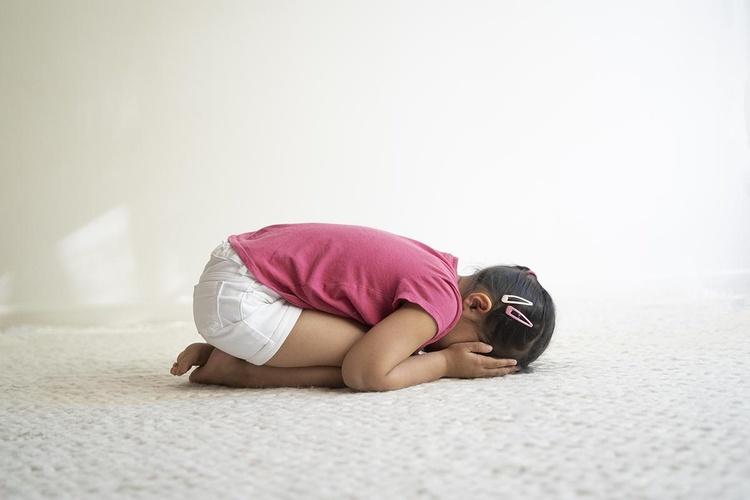
Take turns acting out each step or do them together as frog friends! You may need to help your child into these positions or see if they can think of them on their own. First, become a frog egg by rolling your body into a ball.
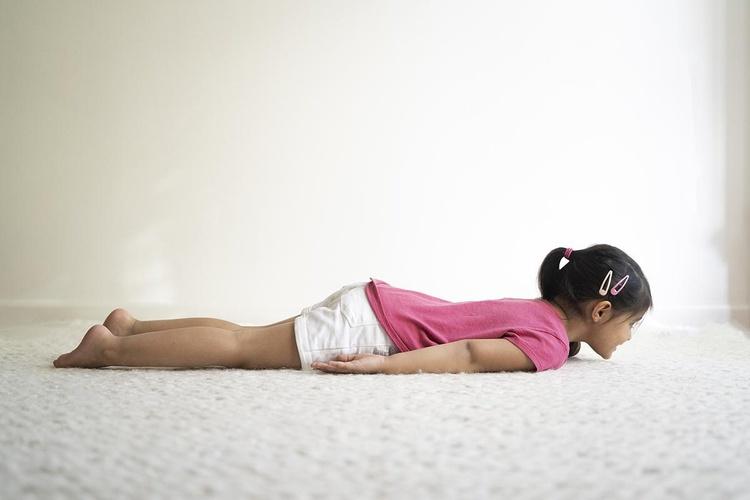
Next, lay flat on the floor with your arms flat against your body. Then, wiggle around as a tadpole!
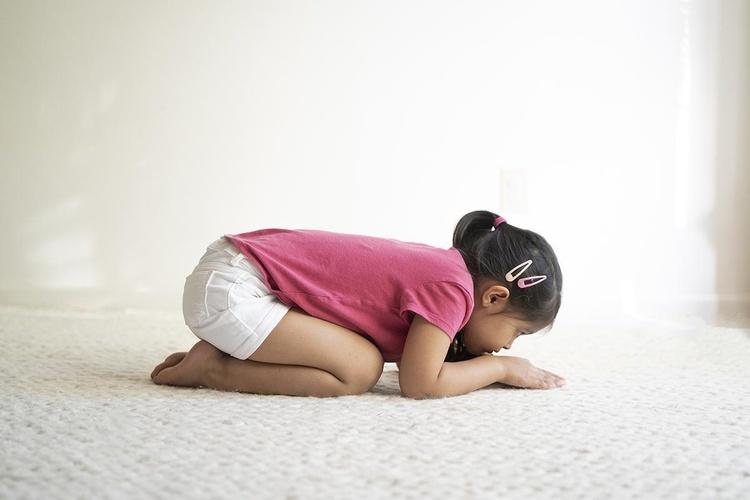
Continue growing by propping yourself up on your hands and feet to mimic the tadpole with short front and back legs. Stay low to the ground and wiggle around. You still have a long tail!
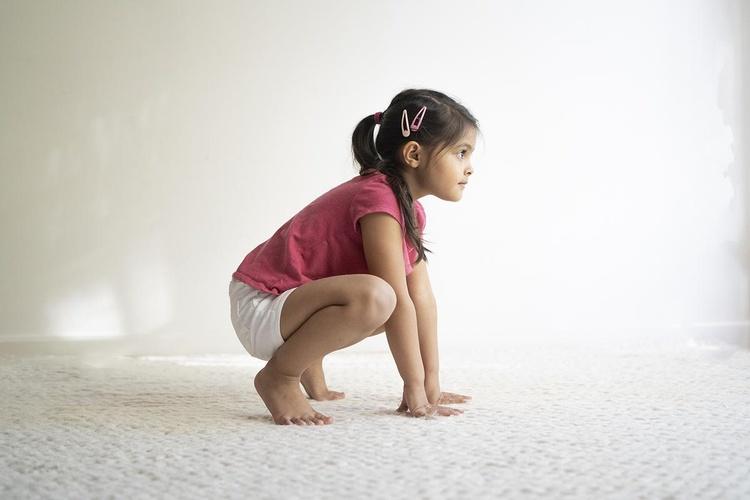
Hop higher up on your feet to grow into a froglet that now has all four legs. Then, get up a bit higher and do a big hop! You are finally a fully-grown frog! Celebrate by hopping around the room!
Explore Further
Animals such as butterflies, beetles, dragonflies, and ants also go through a metamorphosis. Ask your child what they know about these other animals and explore their life stages together by researching online and looking at photos or by checking out a book from your local library.
Want more “Wild Kratts” activities? Check out the Creature Power Generator Game and the Test the Strength of Spider Webs activity to continue the fun!
 Author:
  Science