
Make a Bottle Thermometer


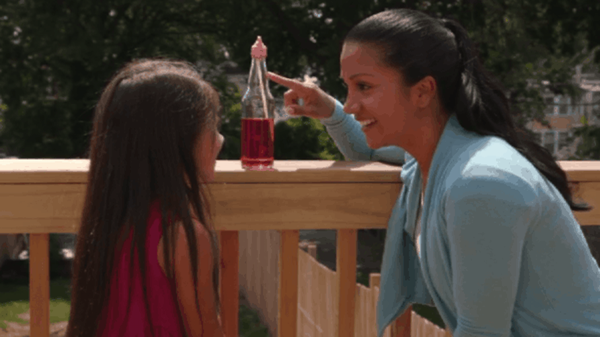
The weather affects our daily lives. We need to think about the weather when we are choosing clothes to wear, activities to do and how we can get from place to place. In this activity, you and your child will build a weather tool — a simple thermometer that can tell you whether it is warmer or cooler than when you last read it.
Meteorologists, or weather scientists, use special tools for checking the current temperature and predicting what the temperature might be later in the day or week. At home, we can use a tool called a thermometer to measure the air temperature. By completing this activity, your child can better understand that the air temperature changes day-to-day and can learn more about tools to track these changes. In addition, your child can develop critical thinking skills by answering questions before and after building the thermometer. (Note that this activity works best in warmer months.)
Materials
Directions
Start by asking your child to consider the weather. Ask, “How do we know what the temperature is outside? How do we know if it is cooler or warmer than yesterday?”
Pour the water into the glass bottle.
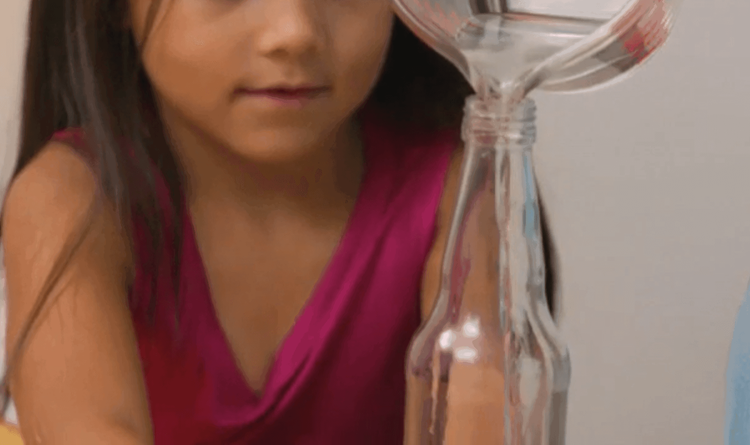
Pour the rubbing alcohol into the bottle.
Add a few drops of food coloring. Mix by gently swirling the liquid in the bottle.
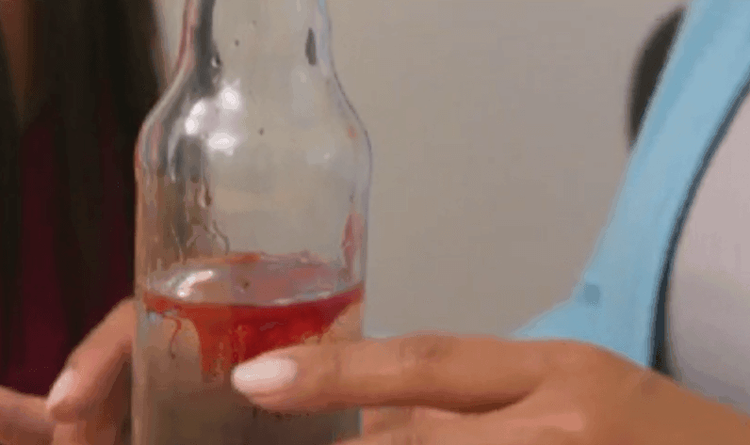
Insert the straw into the bottle. The bottom of the straw should be within the colored water, but should not touch the bottom of the bottle.
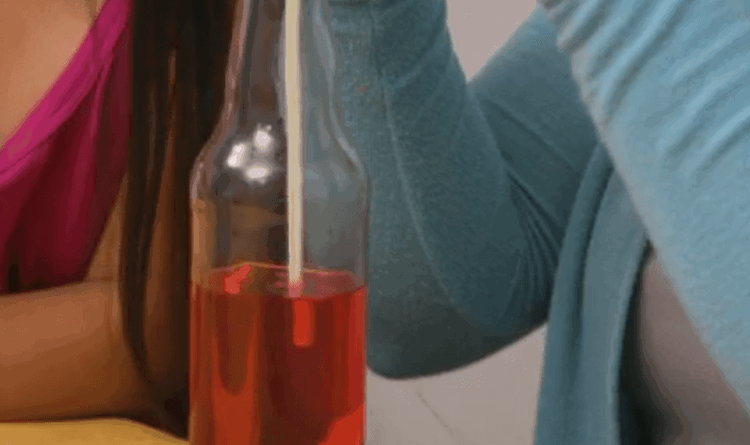
Secure the straw with modeling clay at the top of the bottle. Make sure not to cover the top of the straw.
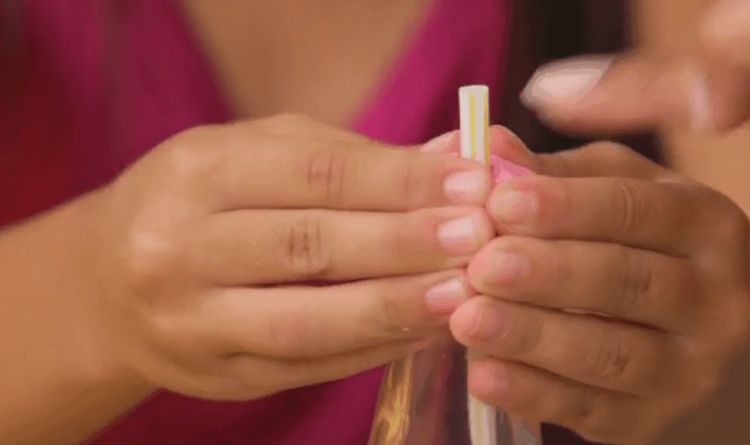
Place your thermometer in the sun and wait for a little while as the liquid rises.
Use the marker to draw a line on the outside of the bottle to show where the top of the liquid is in the straw. Write the date next to that line. Did the liquid in the thermometer rise after being in the sun? How long was the thermometer in the sun before you began to see the liquid rise? Did the liquid rise slowly or quickly?
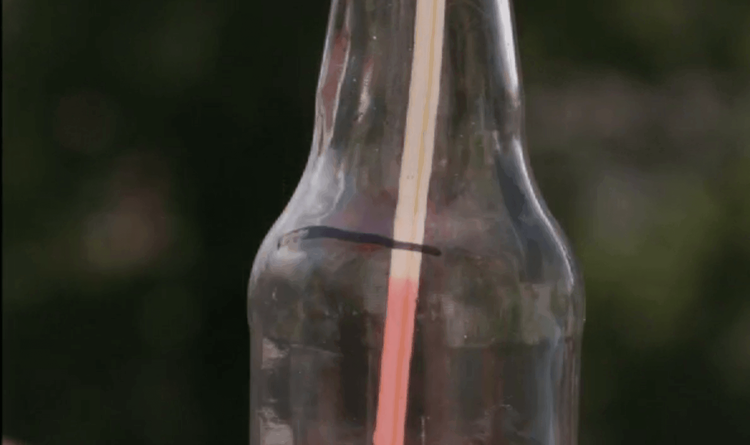
Use your thermometer in the same location at the same time each day for one week. Each time you check the thermometer, mark the level of the liquid and the date with the marker. After collecting a few days of data, make some comparisons. Is the temperature warmer or cooler than the last time you took it? Is the temperature warmer or cooler than the days earlier in the week? How can we use the thermometer to help us decide what to wear?
Explore Further
Take the temperature at two different times per day. Is it cooler or warmer in the morning or afternoon?
 Math
Math Science