
20 Activities to Help Your Child Manage Frustration


Being a kid presents lots of opportunities for frustration. It’s normal and expected that children feel frustrated when things don’t go their way.
After all, children are in a constant state of growth, learning, and tackling new challenges, all while having limited control over their daily lives.
As a parent and a professional working with families, I've learned that the trickiest part of frustration can be knowing how to deal with it. Kids’ frustration can lead to grumpiness and difficult behaviors, leaving caregivers feeling overwhelmed and frustrated. It can be hard to know what to do in these moments.
Fortunately, there are strategies you can teach your child to help them manage their frustration when it arises. Coping tools can help with the intense feelings, making it easier to talk things out and move on.
Here are some simple activities that may help your child cope when they’re frustrated.
Ask for help. As Daniel Tiger suggests, “when you’re feeling frustrated, take a step back and ask for help!” Role-play requesting help from a parent, teacher, or friend.
Take deep breaths. Mindful breathing can help calm emotional storms. Practice this method with the “Take a Deep Breath” song from “Donkey Hodie.”
Use a calm down space. Designate a small area in your home for calming down with a pillow or blanket, books, and soft toys. Offer this as a quiet place to reset alone or together.
Draw a picture. Have your child draw the problem or make a picture of their feelings. When they finish, ask if they want to talk about what they’ve created.
Starfish breathing. Show your child how to spread the fingers of one hand wide like a starfish. Guide them to slowly trace each finger, inhaling while going up and exhaling while going down. You can find more detailed instructions on this activity at Zero to Three.
Read a book together. Reading aloud can be soothing and can build empathy.
Play with play dough or clay. Squeezing, smashing, or rolling play dough can help your child let out strong feelings.
Go outside: A brief walk or a few minutes of play in the fresh air can work wonders for a frustrated child. Consider this idea during holiday gatherings or birthday parties, when lots of noise and people can lower frustration tolerance.
Play ball: Kicking, throwing, or rolling a ball can release energy in difficult moments.
Make music: Engaging with music can help kids express hard feelings. Your child can try playing the blues like Pinkalicious and Peterrific or singing “Grr Grr Grr Out Loud” with Daniel.
March or stomp in place. Marching doesn’t require much space, and allows kids to get out angry feelings quickly. For more movement, march in circles or add in jumping.
Give a tight squeeze. Firm pressure may help your child’s body calm down. Show them how to give themselves a tight hug. Or, ask if they’d like a big hug from you.
Do a silly dance. Big movement is proven to provide stress relief. Twirl, hop, and glide together to move through the hard feelings.
Rip paper: My preschooler’s favorite way to vent frustration is to tear old mail into tiny pieces. Provide your child with some scrap paper and let them rip.
Have a snack: Hunger often worsens frustration. Parents can easily miss kids’ hunger cues when out of typical routines (like during the holidays!) A quick snack break can set everyone up for a better day.
Positive self-talk: Use positive statements to help in moments of frustration. Try “I can do hard things!” or “I’m a problem solver.” Practice these statements when your child is calm so they can remember them when frustrated.
Play a game. Give your child space to unwind with a quiet game. Play “I Spy” together, or check out these feelings games on the PBS Kids App.
Use the senses to calm. In an episode of “Nature Cat,” Hal’s friends help him calm down by noticing what he feels, smells, and sees. Guide your child to name one thing they can see, feel, hear, smell, and taste. This tool helps kids slow down and refocus on the present moment.
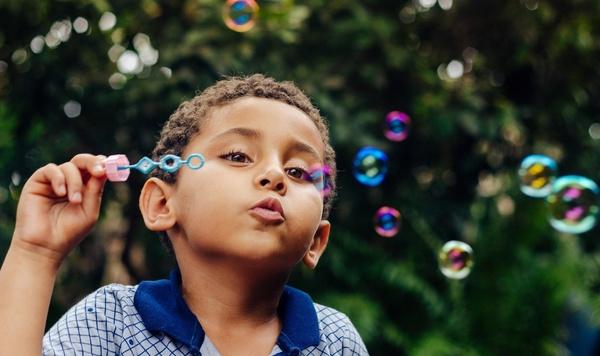
Blow bubbles. Blowing bubbles encourages breathing. It also creates an opportunity for fun during tough moments. This is an easy tool to take on-the-go for vacations or holiday travels.
Talk about it (when they’re ready!) We may want children to quickly calm down and talk about the problem. But kids may need some help to feel better before talking about problems or finding solutions. When they’re ready, start the conversation by acknowledging your child’s feelings. This can open up a discussion that helps everyone move forward. Empathy goes a long way!
 Author: