
7 Creative Ways to Learn About Animals


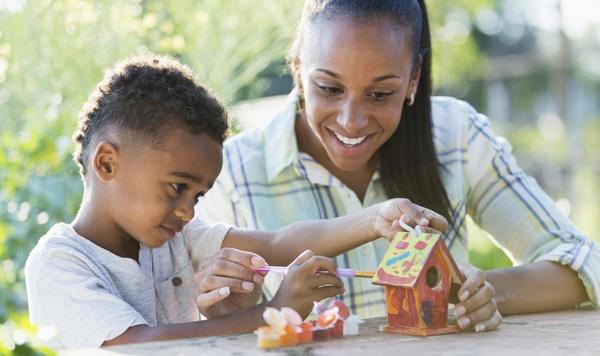
Does your child love animals? From the cute and cuddly to the weird and wild, animals are like us in so many ways. We can learn a lot from their physical traits, personalities and emotions, family life, and more. Here are seven ways you can explore animals with your child that just might bring out your wild sides!
1 Level up head, shoulders, knees, and toes.
We can learn a lot about ourselves by looking at animals. Make a game of the “Head, Shoulders, Knees, and Toes” song by first doing the motions together and then by pointing out the same body parts on photographs of a few favorite animals. Once all the toes have been tickled, point out that animal feet come in different shapes and sizes. Learn more by creating clay animal tracks to observe the different shapes animal feet leave behind.
2 Play hide and seek.
Some animals use camouflage so that they can blend into their surroundings and protect themselves from danger — or play tricks on their prey. Make a color-changing chameleon with your child to learn more about how one creature uses camouflage in the wild! Then, use what you’ve learned about camouflage and challenge your child to a game of hide and seek.
3 Share a snack.
Invite your child to create their own backyard restaurant for birds by making a bird feeder or crafting a colorful hummingbird feeder. Watch through a window or sit quietly with your child outside and observe the birds that visit the feeders to learn more about them. Do the birds like the birdfeeder you created? What other animals check out the bird feeder?
4 Tour animal homes.
With your child, play a game and find out where different animals call home. Talk to your child about your family and friends and match them with the same continents or regions where the animals live. See if there are any similarities. Explore what kind of homes animals make for themselves! Get dirty and build a worm hotel or pretend to get dirty by making edible dirt cups. Talk with your child about how animals use nature to build their homes — worms dig deep into dirt and birds seek out twigs, grass, and leaves to create their nests. Share a snack while learning more about birds’ nests. Ask your child how they would describe their habitat to a neighbor or a friend.
5 Establish new family chores.
Your child may already have a list of ways she can help around the house, but there are things you and your child can do together to help clean up the environment for animals. Make an ocean mobile with your child and learn how your family can help protect the ocean by reducing waste and recycling. Talk with your child about what you can do together at home to protect the ocean and animals that live in other habitats. Incorporate what you’ve learned into your child’s regular chores.
6 Create animal families and friends.
Some animals like to live by themselves and others like to stay together in packs. Share stories about your own family and friends by creating finger puppet or paper bag animals with your child. Make many different kinds of animals to show your child how different animals can be friends. Create egg carton turtles and explore how siblings and friends play together.
7 Star in your own play.
As your child grows from a baby and a toddler to an elementary student, they experience many changes. Animals also experience changes as they grow. Act out the life cycle of a butterfly with your child to learn how caterpillars grow into butterflies, and research other animals who experience changes as they grow up. Use this as an opportunity to continue the conversation by sharing stories about your childhood — you may discover together that you share likes and dislikes, and more with your child.
 Author: