

“Break It Down” and Other Ways Preschoolers Can Practice Computational Thinking


Kids love to try amazing things. One day they might want to bake a rainbow cake. The next day, they might want to build a sandcastle taller than they are. Many parents of preschoolers are all too familiar with the creative (and big!) ideas young children have. Grown-ups can help their kids grow in curiosity and confidence when they support their big ideas — and set them up with ways to accomplish them.
So how can grown-ups support preschoolers to achieve the wonderfully big ideas that children come up with?
What is Computational Thinking?
We can help preschoolers take on big tasks through a special set of problem-solving skills called computational thinking. This phrase may sound intimidating, but it simply refers to foundational skills linked to success and kindergarten readiness. Using these skills allows kids to think creatively and solve problems in systematic ways.
Chances are your preschooler is already working on these problem-solving skills — even if you don’t realize it! The new PBS KIDS series, “Work it Out Wombats!,” shows kids how to use these skills to solve everyday problems.
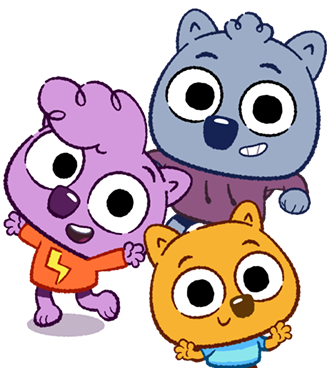
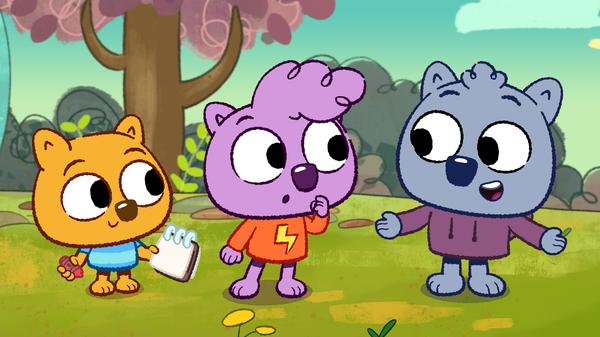
The new animated series for kids ages 3 to 6 centers on Malik, Zadie, and Zeke — three energetic and creative marsupial siblings who live with their grandmother. In every episode, they exercise their computational thinking skills as they accomplish tasks, solve problems, and express themselves.
The Wombats live together with their grandmother Super. Super supports the Wombats in working through problems on their own by giving them space, but she also provides guidance and inspiration in thinking independently when they get stuck.
Why Should Kids Learn Computational Thinking?
Computational thinking for kids is more than just a fancy phrase — it's a valuable life skill that can provide numerous benefits. Here are five reasons why your kid should learn computational thinking:
- Enhances problem-solving skills. One of the core aspects of computational thinking is breaking down complex problems into smaller, more manageable pieces. This skill applies to various areas of life, from school assignments to household tasks. By learning computational thinking, kids develop a structured problem-solving approach, ultimately making them more efficient and effective in tackling challenges.
- Boosts creativity. Computational thinking encourages children to think outside the box and experiment with different solutions. This creative process helps them develop a growth mindset, where they learn to embrace challenges, persevere through setbacks, and view mistakes as learning opportunities. Nurturing creativity in kids is essential, as it can lead to innovative ideas and success in various aspects of their lives.
- Prepares for future careers. In our rapidly evolving digital world, having a solid foundation in computational thinking is becoming increasingly important. Many of today's jobs require tech-savvy individuals who can analyze data, create software, and optimize systems. By teaching your child computational thinking early on, you're setting them up for success in their future careers, whether it's directly related to technology or not.
- Enhances critical thinking and decision-making. Computational thinking helps kids analyze situations, identify patterns, and make decisions. These critical thinking skills are invaluable in everyday life, from making informed choices about personal finances to evaluating the credibility of information online. By fostering these skills, you equip your child with the tools they need to navigate an increasingly complex world.
- Promotes collaboration and communication. Computational thinking is not a solitary activity. It often involves working with others to develop solutions and share ideas. As your child learns computational thinking, they'll also develop essential teamwork and communication skills, making them more effective collaborators and better equipped to thrive in social and professional settings.
How to Develop Computational Thinking Skills in Kids
Computational thinking includes a range of skills that allow us to solve problems, and you can get started by practicing these three skills at home with inspiration and examples from our favorite Wombat friends:
1 Teach kids to “break it down.”
Little kids have big ideas. But accomplishing a big task or solving a big problem is almost impossible to achieve without breaking it down into smaller, more manageable parts. To begin breaking down a task or problem, start by identifying and describing the smaller parts of the problem, and solving each part as you go. For example, getting ready to go to bed can be broken down into changing into pajamas, brushing teeth, and reading a bedtime story.
The next time your preschooler is ready to give up on a daunting task, remind them to “break it down” into smaller parts, just like the Wombats. When Zadie, Malik, and Zeke need to clean their room, for example, they start feeling overwhelmed. But when they break it down and decide that Zadie will put the toys in the toy box, Zeke will put the dirty clothes in the hamper, and Malik will sweep, their room is spotless in no time!
2 Encourage kids to see how patterns have an order that repeats.
Patterns are everywhere in your preschooler’s world: in nature, in the songs they listen to, on their clothes, and in their routines. There are lots of different ways to teach young children about patterns. For example, you could point out a pattern on a beaded bracelet and then challenge your child to make their own repeating pattern out of beads. As children become more comfortable with patterns they can use what they know about patterns to predict and make sense of situations. For example, in one episode of “Work It Out Wombats!,” Louisa uses the repeating pattern of moon shapes on her calendar to predict what the moon will look like that evening.
3 Remind kids to “step it out.”
Sequencing means thinking in logical, step-by-step ways. From following instructions for making a sandwich to choreographing the steps to a dance, preschoolers can practice sequencing during their daily routine in many ways. A key takeaway is that sometimes order matters — and sometimes it does not. For example, what would happen if we tried to put on our socks after we put on our shoes? Or brush our teeth before we put toothpaste on our toothbrush? But it doesn’t matter if you put sunbutter or jelly first on a sandwich! (Or does it?)
Once kids get used to thinking about a problem and steps to resolve, they can apply this logical thinking to solve all sorts of problems. For example, in one episode of “Work It Out Wombats!,” Zadie and Malik use a step-by-step sequence to find Zeke’s lost, beloved stuffy by redoing the steps of their bedtime routine. The next time your preschooler is missing a favorite toy, encourage them to “step it out” and retrace their steps to find it!
Growing Computational Thinking Skills with the Wombats
What other ways can you help your preschooler practice problem-solving? Watch “Work It Out Wombats!” together — it’s possible that the Wombats will solve a problem or accomplish a task that your child has been working on themself. Together, you and your children can use strategies from the show to accomplish any task, big or small — and learn to enjoy the process!
As you incorporate the lessons from "Work it Out Wombats!" into your child's daily life, they'll get good at breaking down complex tasks, recognizing patterns, and understanding sequences. By encouraging computational thinking for kids, you're starting a lifetime of creative problem-solving, critical thinking, and effective communication. So grab some popcorn, sit back, and enjoy watching "Work it Out Wombats!" with your kids as you start this exciting journey together.
 Author:
Follow the adventures of Malik, Zadie and Zeke in their fantastically fun Treeborhood.