

Embrace your child’s curiosity and unleash their creativity by encouraging them to become problem-solvers! Empower them to ask questions (asking why is a good thing!), make observations, and gather information — these steps are building blocks to identifying and tackling problems on their own. Ask your child to think of a situation that people want to change or improve, and brainstorm solutions for solving the problem through engineering. Ask open-ended questions that support critical thinking, such as “What is the problem?” “What do we want to do?” “What do we already know?” and “What tools can help us?” Encourage resilience when facing obstacles to solving the problem — even with the youngest children. Suddenly, you’re not just building a tower with blocks or making a paper airplane — you’re empowering little engineers and architects!
Learn at Home With PBS KIDS
To watch PBS KIDS shows on solving problems, download the PBS KIDS Video app. Looking for more activities? You can always create your own activity plan using the PBS KIDS for Parents Activity Finder and search by age and topic!
Questions to Ask Your Child
- Let’s pretend we are on a walk, but we have a problem! The path we are walking on stops at a stream, and we can’t get across. What are some ways we could travel over it without getting wet? What would we need?
- Think about a time when you built something, or observed someone else working on a project. What problem were they trying to solve? What is another way that they could have solved that problem?
Play and Learn Together With Children 2 to 5
Children at this age often have lots of questions about the world around them. Encourage them to find answers by using science inquiry skills, by being observant and curious just like Elinor Bunny does in Elinor Wonders Why. Asking questions and being curious is also helpful for solving problems. Activities such as building toy boats with recycled materials or building bridges with paper and paper clips can help foster creative problem-solving and introduce them to the engineering design process.
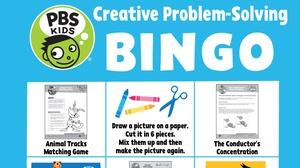
Learn Along Bingo for Ages 2-5: Creative Problem-Solving
Play and learn with this activity packet all about creative problem-solving!
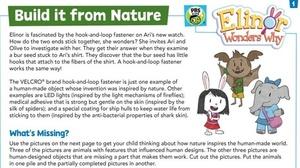
Build It From Nature
Elinor is fascinated by the hook-and-loop fastener on Ari’s new watch. How do the two ends stick together, she wonders? Try this activity to get your child thinking about how nature inspires the human-made world.
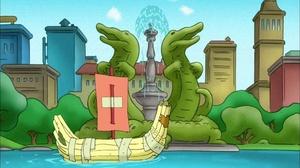
Build a Recycled Sailboat
Reuse old materials from around your home to help your child build a toy boat.
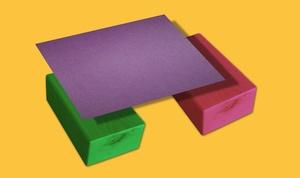
Build a Bridge With Paper, Paper Clips, and Blocks
Build a bridge that can hold rocks with your child.
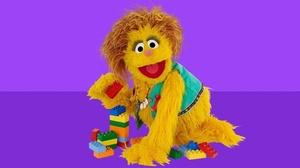
Planning and Building a Structure for a Favorite Toy
Build a structure for a special object such as a stuffed animal or toy car.
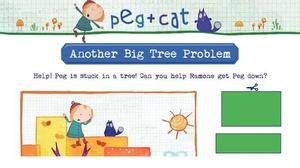
Another Big Tree Problem
Peg is stuck in a tree! Print and build a paper block structure to help her get down.
Play and Learn Together With Children 6 to 8
Older children can start to identify problems on their own, and move through the different stages of the engineering design process. As you help them design, build, and create, you also support their problem-solving skills and help them think like engineers. Explore creative-problem solving by making paper plane gliders or crafting an upcycled suspension bridge.
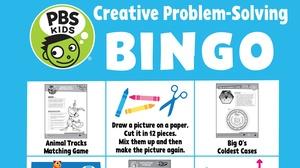
Learn Along Bingo for Ages 6-8: Creative Problem-Solving
Play and learn with this activity packet all about creative problem-solving!
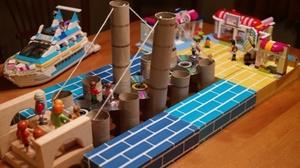
The Suspension Bridge Engineering Project
This creative, simple, upcycled suspension bridge will help your child learn about engineering!
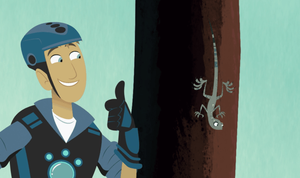
Make Paper Planes to Glide Like a Draco
Your child can explore the science of gliding with this simple paper airplane experiment.
Build and Test Paper Bridges
Construct paper bridges and investigate how much weight they can hold.
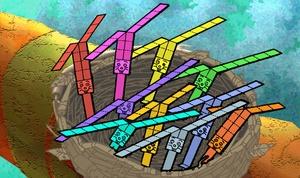
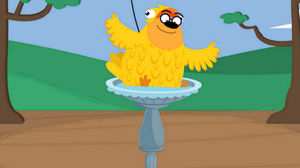
Build a Better Birdbath
30 min activityHelp Ruff build a better birdbath! Using paper and books, investigate with three different birdbath models to find the strongest design.
Play and Learn By Myself
Treehouse Trouble
Learn to build treehouses with the kids from Hero Elementary!
Bridge-a-rama
In this game, your child can practice math and engineering skills by identifying the length of materials needed to complete a series of bridges.
Base Builder
Build stable bases across different planets to protect your toy astronaut.
Hamster Run
In this game, your child can help Ruff Ruffman use blocks, wedges, and tubes to build a structure that will allow hamsters to reach the carrot.
Read More
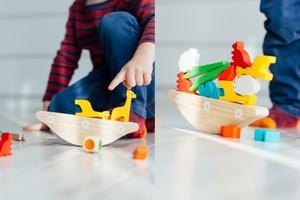
“I Figured It Out!”: Helping Kids Become Tenacious Problem Solvers
Few skills will serve our children better than the ability to solve problems creatively. Try these four ways to nurture your child’s problem-solving skills.

Every Child Is an Architect
When unstructured play becomes the norm, kids become builders, scientists, mathematicians and architects simply because they can!

Creative Play: The Real Work of Childhood
Creative play helps kids grow into adults who can find innovative solutions to difficult challenges.
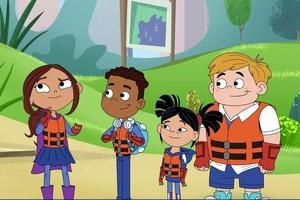
5 Engaging Questions to Discover Your Child’s Thinking
Inspired by Hero Elementary, here are five engaging questions that will help your child think and talk about their experiences as they explore.
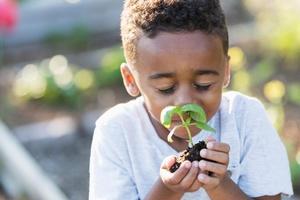
Wonder, Observe, Experiment: Building Science Skills with The Cat in the Hat
When Sally and Nick go on adventures with The Cat in the Hat, they get to practice skills that are essential to real scientists: they wonder, they observe and they experiment.
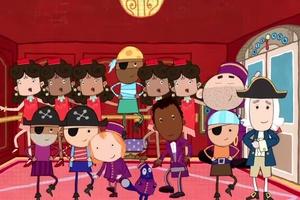
Nurturing Your Child’s Creative Mind
Ever notice how kids often have more fun playing with an empty box than with what was inside of it? That’s their imagination at work, and we should nurture this creative spirit.