

Explore Black Cowboy Culture with Alma’s Way


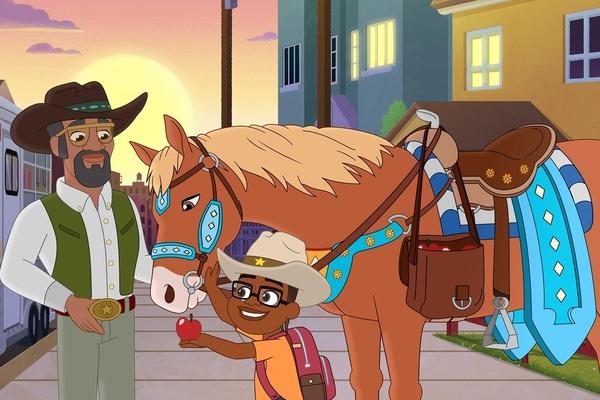
One thing I love about watching PBS KIDS shows is that I tend to learn something new, too, even as a parent. In a new episode of Alma’s Way, JaVon reads Howard a book about the history of Black cowboys, including writer Nat Love, stagecoach Mary Fields, and Bill Pickett, a famous rodeo cowboy. After finding out Black cowboys are not just from the past but still exist today, Howard wants to meet one! He decides to go looking for a Black cowboy right where he lives in the Bronx.
When we see, hear, experience, or read something new, we learn and grow. Black cowboy culture is not something my family was familiar with before watching this episode. But this show sparked our curiosity to find out more about it!
How This Episode Came Together
Supervising producer Olubunmi Mia Olufemi was inspired by the rich history and culture of Black cowboys. She wanted to learn more after seeing the movie, “Nope,” directed by Jordan Peele and listening to the album, “Cowboy Carter,” by Beyoncé. “There are still Black cowboys all throughout the United States, particularly in the South,” said Olufemi. She then asked, “How do we bring that history to children in a kid-friendly way that also makes it inspiring to other kids?”
In the episode, Howard (with help from Alma, JaVon, and a few other characters) learns what it means to be a Black cowboy. While searching the Bronx, he worked together with others, helped animals and people, and was even given some boots and a hat. Being a cowboy isn’t simply about looking the part though. It’s about embodying what it means to be a cowboy: working hard while helping animals and people.
In the end, Howard was able to meet local Black cowboy, Mr. Reeves. The character was inspired by real-life Black cowboys, from the style of his boots to the authentic way he looked and spoke. “He was so cool. He was a cowboy I would want to know,” said Aisha McElroy, Black Cowboy History and Culture advisor and Executive Director of the Black Cowboy Coalition. “The detail that was put into this episode was so intentional, and I love that.”
Why Stories Like This Matter
“Cowboy culture is such an important element of our community,” said McElroy. She founded the Black Cowboy Coalition in 2021 after she discovered there were not many stories about the Black cowboy community and agricultural community. She started by sharing her own experiences and stories from her grandfather. That evolved into building a directory of Black cowboys located all over the country and creating an outlet to tell their stories that weren’t otherwise being told.
“This episode is so relatable, and it’s relatable because they used real information,” said McElroy, who felt the Alma’s Way team truly tried to understand and represent the culture. “They really took the time to write a story that could relate to the community and relate to everyday boys and girls that are aspiring to be cowboys.”
Ways to Learn More
"If your child is interested, don't be afraid to delve deeper into the history of Black cowboys and other topics we explore on Alma's Way,'” said Olufemi. “This show takes place in the real world. We are drawing from real-world organizations and real-world communities. So, know that if you see it here, it is real. And you can go into your own community and find those organizations that will help you indulge your child’s interests and curiosity and yours as well.”
Encourage your kids to learn more about Black cowboys, just like Howard did. As parents and caregivers, you can discover more alongside them! Whether you are already familiar with the culture or want to celebrate the cultures of others, these learning opportunities might be closer to home than you think.
Ideas for How to Dig Deeper:
Learn more from a Black cowboy. Check out the directory on the Black Cowboy Coalition website. Look for a Black-owned barn or ranch near you that might offer educational programs. Remind your kids to ask the cowboy questions about what it’s like to be a Black cowboy today, if you get a chance to meet one.
Look up videos online. There are lots of videos to learn about caring for animals or about Black cowboys today, including an inspiring story about a Black Cowboy rodeo in Harlem.
Attend a rodeo or agricultural fair. Go to a rodeo, agricultural day, county fair, or state fair to watch people showcase their cowboy and cowgirl skills. Ask your kids to “stop and think” about what it might be like to take care of these animals.
Visit your local library. Ask the librarian for children’s books about Black cowboys, rodeos, horses, and agriculture. See what you can find out together!
Check out an event or program in the community. Search for opportunities where you might be able to meet a Black cowboy or learn about agriculture. Explore options such as a 4-H youth development program or similar programs, a trail ride experience, or participation in a local parade.
Embody the cowboy spirit. Brainstorm together with your kids to see how they can work hard and care for people and animals. Empower your kids to take on more responsibility at home. Maybe that means helping with animals, starting a garden, or caring for others. Enjoy some fun craft time together, making paper cowboy boots or creating a song.
 Author:
Think it through with Alma as she explores her vibrant Bronx community with family and friends.