

Helping Children Overcome a Fear of Bugs


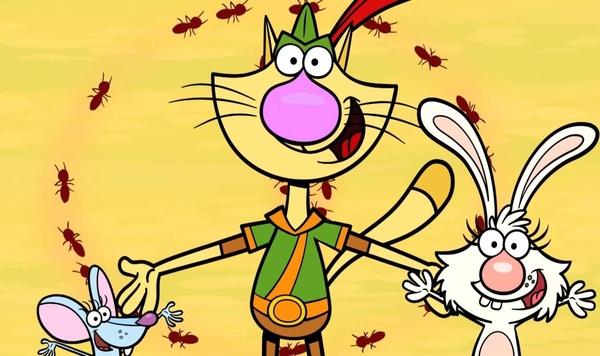
Many children have a fear of insects – and that fear can hold them back from playing outdoors and experiencing the world around them. At Nature Cat, we think our dear bug friends are getting a bad reputation. We want children (and adults!) to see these tiny creatures as critical players on this planet — as pollinators, helpers in the garden, and important links in the food web.
Why is My Child Afraid of Bugs?
It's completely normal for children, and even adults, to be afraid of bugs. This fear, known as entomophobia, can stem from various factors, just like most of your child’s worries. Understanding why your child has a fear of bugs can help you address their concerns and work together to overcome them.
- Natural instinct. As humans, we've evolved to be cautious of potential environmental threats. While most bugs are harmless, some can bite, sting, or transmit diseases. This natural instinct to avoid potential danger can manifest as a fear of bugs.
- Learned behavior. Children often learn from observing the reactions of others, particularly their parents and caregivers. If they see someone reacting with fear or disgust when encountering a bug, they may adopt similar feelings and behaviors.
- Negative experiences. A child with a fear of bugs may have had a negative experience, such as being bitten or stung, which has led to an increased fear of bugs. This fear can then generalize to other insects, even harmless ones.
- Media influence. Movies, TV shows, and books sometimes portray bugs as scary, dangerous, or "icky." Children may develop a fear of bugs based on these portrayals, even if they haven't had any negative encounters with bugs themselves.
- Lack of understanding. Children’s fear of bugs often stems from the unknown. They may not fully understand the role of bugs in the ecosystem, making them seem more frightening. Educating your child about the importance of insects and how they benefit the environment can help alleviate this fear.
7 Tips to Overcoming a Fear of Bugs
Developing a better understanding of insects, spiders, and other bugs goes a long way toward helping make them less scary. Here are some ideas for helping your child along:
1. Let your child know you understand.
When helping your child with their fear of bugs, it's crucial to empathize with their feelings. Acknowledge their entomophobia and reassure them that it's normal to be afraid. By validating their emotions, you create a supportive environment where they feel comfortable discussing their fear. Encourage them to express their feelings and concerns openly and work together to develop strategies for overcoming their fear of bugs.
2. Start with safety.
Explain which bugs are harmless and which to avoid. In general, wasps, bees, ants and spiders are best observed from a distance, whereas bugs like beetles, butterflies, crickets, daddy longlegs, and dragonflies are safe and wonderful to observe. Talk to your child about how bugs are very likely more afraid of him than he is of them. If one should land on him, the most important thing is to stay calm and quiet! Gently brush it off if he is too nervous to observe it. Explain that if he screams and slaps she could frighten the bug, and possibly put himself in danger of being bitten or stung.
3. Think about your own reactions when you encounter a bug.
Most of us are guilty of flinching or jumping (…maybe even shrieking!) when startled by an unwanted bug indoors. These reactions reinforce the idea that bugs are scary. If your child sees you reacting in a calm, deliberate way, then she will be able to copy your behavior when she is ready.
For example, say you spot a spider in your kitchen. Show your child how to calmly place a small clear jar on top of it, and then slide a stiff piece of paper under the jar. The spider sits on top of the paper. Now you can safely slide your hand under the paper and lift the jar. Carry it out of the room and release the spider outdoors. Handling its removal this way allows your child to see that you are not afraid, and that you have compassion for it—even if it is unwanted where it is!
4. Talk about bugs when there aren’t any around.
During a quiet time, ask your child to describe what it is about bugs that make him feel scared. Are there any experiences he’s had with a particular bug he can tell you about? What does he know about bugs in general? Once you have a sense of his understanding, you can provide new information to help him better relate to bugs and the roles they play in nature, including helping produce much of what we eat (honey, apples, blueberries and oranges, just to name a few). A world without bugs would not be a happy place!
Try reading a friendly children’s book with an insect as the main character, like The Very Hungry Caterpillar or Charlotte’s Web. Books like the Children’s Guide to Insects and Spiders or 1001 Bugs to Spot give kids an opportunity to “look” for bugs in the comfort of their own home before trying it outside.
5. Empower your child.
When your child is ready, visit a museum or nature center where live butterflies and other bugs are in an enclosed area you can enter. This gives her an opportunity to interact with real bugs in the company of other children. Or, in your backyard or neighborhood, see how many different bugs you can find.
Make a bug catcher and a bughouse in which to keep and get to know a bug for a brief period of time. Your bughouse can be as simple as a clear cup covered with a paper towel. Punch a few holes in the paper with a pencil and secure on top of the cup with a rubber band. This puts your child in charge of the bug’s wellbeing while she observes it. Add some leaf litter, twigs and a moist cotton ball or tiny piece of fruit for water. You can also repurpose Nature Cat’s DIY composter as a temporary bug hotel.
6. Avoid overexposure.
While it's essential to expose your child in a controlled manner to help them overcome their fear of bugs, it's also important to avoid overexposure. Forcing your child to interact with bugs when they're not ready can be overwhelming and may intensify their fear. Be patient and respect their boundaries.
Gradually introduce them to harmless insects, like butterflies, beetles, or ladybugs, and work your way up to more intimidating bugs when they feel more comfortable.Pretend play is also a great place to start helping a child with a fear of bugs. Buy some toy insects and slowly familiarize them with different kinds.
7. Be patient.
Let your child set the pace. They are likely inundated with cues and misinformation from media and other adults that bugs are “gross” and “scary.” But with direct, constructive bug interactions your child’s fears should ease over time.
Embracing the Bug World — Nurturing Courage and Curiosity in Your Child
Overcoming a fear of bugs is a journey that requires patience, understanding, and support from parents and caregivers. By educating your child about insects' vital role in our world and providing positive experiences with these fascinating creatures, you can gradually help them conquer their fear. Remember that each child's experience is unique, and respecting their pace and boundaries is essential.
As your child becomes more comfortable around bugs, they'll not only overcome their fear but also develop a sense of curiosity and appreciation for the natural world.
 Author:
Dive into the great outdoors with Nature Cat and his fun-loving crew of animal pals.