

Respectful Hellos: Learning Greetings from “Alma's Way”


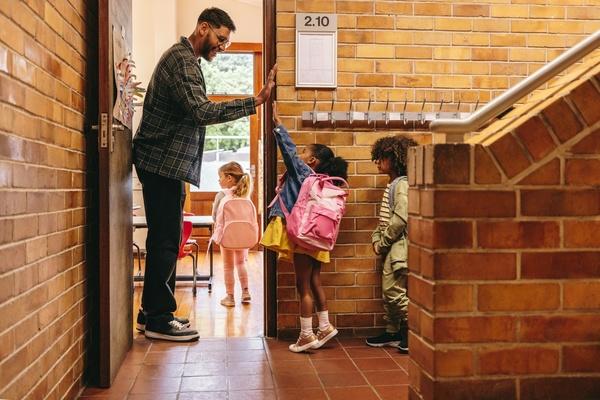
When my kids visit their grandmother, they say “hello” to her in their own ways. One will run up to her, cover her with hugs and kisses, and spend time on her lap, hugging and chatting nonstop. My older child will pass her a handmade card and sit in a corner drawing pictures and writing notes for her. My mom loves both greetings equally. I tell my children that both ways of greeting are great as long as it works for the other person and respects their personal preferences.
Help your child understand that people like to be greeted in different ways
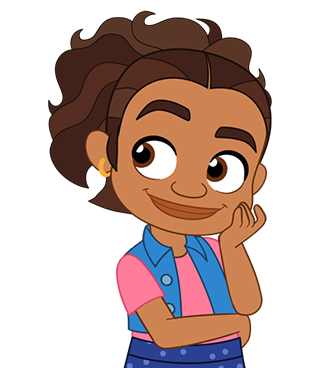
In the “Alma’s Way” episode, “Hugs and Misses,” Alma is eager to give everyone a hug when they come through the door at a community event. Alma is used to hugging her family members when she greets them. But at the event, she learns that there are other ways of greeting people. For example, Alma hugs her friend Rafia, but Rafia doesn’t hug her back. Instead, Rafia says she prefers “the World’s Greatest High Five.” Alma is confused at first. But Alma listens to Rafia and gives her a high five instead. As Alma greets more guests at the event, she begins to realize that asking people how they want to be greeted — and listening to what they say — is a great way to learn more about them and to say hello in a friendly way.
Like Alma, young children may struggle with understanding how to greet people. They may need a parent or caregiver to explain that it’s important to ask someone before you hug them, whether that’s a family member, a friend or a classmate.
Licensed social worker Heather Dailey says children should ask friends how they want to be greeted, just like Alma does. We can help our children learn that some friends just aren’t huggers, and that’s okay. Say something like, “It doesn’t mean they aren’t your friends, but we do need to listen when they tell us they don’t want to be hugged or touched.”
Your child can decide how they want to be greeted, too
Talking with your child about how to greet others is an opportunity to support them in learning about what they want and don’t want when it comes to their own bodies. Discussing ways to greet others is a way to explore their preferences and to understand that other people may have different preferences. It’s also a way to support them in making decisions and speaking up for themselves.
According to the Harvard Graduate School of Education children can begin to understand that they can make choices for themselves at a young age. Greetings can be physical with hugs, kisses, and high-fives, and it’s helpful to support children in determining their preferences for the personal space of their bodies and the types of touch they are okay with. Licensed social worker Heather Dailey agrees. “We can start teaching kids about consent and body autonomy as early as 2 or 3 years of age, but it’s never too late to start,” says Dailey, who practices in New York and is a mom to a 12-year old. Dailey says that you can support your child at any age to set their own boundaries and respect others' boundaries, too.
Sometimes, it's challenging for children to confidently speak when someone is greeting them, especially when someone says “hi”or greets them in a way that feels uncomfortable. Dailey shared an example of when people immediately touch her son’s curly hair instead of greeting them or asking if touching his hair is okay . Her son, who is 12, can now say, “No, don’t touch my hair.” I can relate to this as a Black mom of a curly-haired child. I have had people, including strangers, step up and not even greet my son and try to touch his hair. I have had to step in when my 7-year-old was younger. Now that he is older, he is more confident and will say, “Don’t touch my hair.”
Naming boundaries can be trickier when it comes to close family members, like a grandparent, who wants to give a hug or kiss. But parents should support their children if they don’t feel comfortable, says Dailey. You can support your children through a tricky situation by speaking with a relative privately and telling them your child doesn’t like to hug or kiss and prefers a different way to show their love. But you can also help your child practice sharing their preferences by saying certain things in your daily interactions with them.
Help your child name what works for them
Use language you want your child to use. Start speaking to your child the same way you want them to speak with others. Try asking, “May I hug you?” or “Would you like a high five?” The more you use these phrases with your child, the more comfortable they will be in asking others the same questions.
Ask your kids if it’s okay to touch them before you touch them. When doing simple tasks like cutting their fingernails, putting on lotion, etc, you have an opportunity to give your child the chance to think about what they want at that moment. If they tell you they don’t want you to tickle them, listen.
Empower your child’s communication
Help your child speak up when they don’t feel comfortable. Practice by role playing situations before a visit and what they would say if they don’t want to give or receive a hug. Brainstorm ways your child can say “hi” and show their love. Maybe your child would prefer to give a note to their grandfather or a fist bump instead of a hug or kiss. Help your child find what works for them.
Support your child by talking with a relative before a visit. You can kindly and firmly tell them that your child won’t be hugging or kissing during the visit, and then list a few other ways your child feels comfortable sharing and receiving greetings.
In the end, Alma makes a chart she can refer to when greeting others. On the chart Alma draws her different greetings like fist bumps, hugs, high fives and more. Then as people come into the community center hall she has people point to how they want to be greeted and she greets them. She understands that each person in her community may have a different preferred greeting. The “Hugs and Misses” episode of “Alma’s Way” reflects my own kids' experience, and shows the beauty of different types of greetings. As parents we can follow Alma’s example and make a similar chart with our own kids and even use this when we go out in different spaces to help our children feel comfortable in how they want to greet people.
 Author:
Think it through with Alma as she explores her vibrant Bronx community with family and friends.