
Routines to Help Kids Cope With Stress


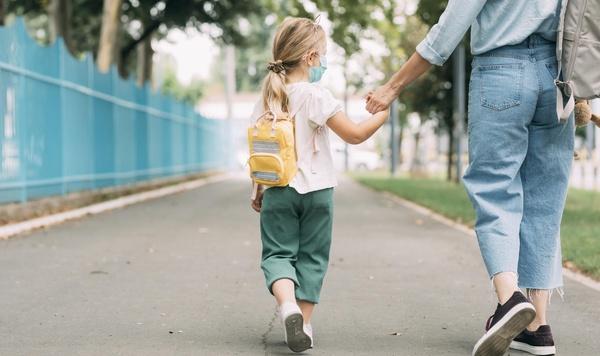
Establishing a back-to-school routine is tricky this year. Routines are especially crucial in the face of shifting, uncertain situations like the ones we’re facing right now. Because of the pandemic, kids have been out of school buildings for more than a year. They have practiced strict social distancing or seen few friends and family. With schools and activities opening back up, the new changes can be stressful. Everyone is craving a return to normal, yet many of us remain fearful and anxious.
When so much feels out of our control, it’s helpful to create some predictability where we can, even in small ways. That kind of predictability makes kids feel safe. It helps them know what to expect and what’s expected of them.
Routines also make parenting easier. Parents make hundreds of decisions every day, which is exhausting. (Especially if your kids are budding negotiators!) Routines can take some of those decisions and debates off your hands. That’s especially helpful when we need to stay aware to make good choices that keep our kids safe and healthy.
This year’s back-to-school routines will probably look different. But they’re also extra powerful for coping with stress. Here are some tips for setting yourself and your kids up for success.
- Understand the new expectations. The pandemic has been a whirlwind. Guidelines on masks, social distancing, transportation, and many others frequently change. Stay on top of your school’s and community’s policies. Talk to your kids about them. The more kids know what to expect, the more comfortable they’ll be. Find a trusted source of information like the school website or a family liaison, so you can stay connected and ask questions.
- Anticipate challenges and how to deal with them. Parents know their kids better than anyone. We can anticipate what’s going to be easy and hard for them this fall. For example, if your child has been home with you for a year, they might have some separation anxiety when saying goodbye at the door or bus stop, so make a plan for a goodbye ritual. If your child’s best friend will be homeschooled this year, schedule a regular time for a virtual or in-person playdate.
- Practice the routine. Saying what the routine is doesn’t automatically make it stick. Kids need reminders and practice, especially if they’ve been out of the groove for a while. Practice ahead of time or on the weekend. Visit the bus stop. Run through the new wake-up and morning routine ahead of time. It’s also helpful to give your children positive reminders and cues. For younger kids, use visuals and checklists. For older kids, invite them to create their own rituals and strategies for remembering.
- Be flexible. Having a routine doesn’t mean you have to be rigid. Sometimes you have to try a few things to see what works. Or sometimes you have to alter your routine when the situations change, especially in these uncertain times. And guess what? It’s OK to change the routine. What’s key is to communicate with your kids about why and how you’re changing it. Talk to them about what’s working and what isn’t. Ask for their input. They’ll learn about planning, decision-making, and how much you respect their opinions.
- Make a plan for managing stress. Now, more than ever, stress and worry are a part of life. Our kids look to us to help them feel secure and to deal with scary feelings. To help them, we can stay calm and model how to get through the stress. Start by listening to your child’s feelings. Then use a calming-down ritual, like taking three deep breaths, doing a mindfulness activity, or going for a walk around the block. (Those routines can help you deal with your own stress, too!) Then you and your child will be more able to discuss potential solutions to the problem or consider alternative thoughts to counter the fears. Setting up this routine can help your child feel confident about handling stress and comfortable in their daily life.
- Ease into your routine. When COVID restrictions began to ease up last spring, I vowed that our family would ease back into our usual activities and not over-schedule ourselves. I wasn’t able to keep that promise to myself. The kids got to play sports for the first time in so many months and to have safe outdoor playdates with friends! We were able to see family members we hadn’t seen in months! It was wonderful, but exhausting and, yes, stressful. We’re going to try to take it slower this fall — do less and be more intentional with our choices.
- Make a contingency plan. The past year and a half have taught us that we can’t predict one day from the next. One way to deal with that uncertainty is to have some ideas about how to handle the unexpected. Know who you can call if your home loses power or you can’t get to the store. Plan what you’ll do if someone in your family gets sick or if your child has to quarantine at home for a period of time. Identify your support system. We all get overwhelmed sometimes, and it’s OK to ask friends and family for help when you need a break.
Sticking to a routine isn’t always easy for us grown-ups, especially right now. Maybe you haven’t had a routine in many months and enjoyed the lack of structure. Or maybe you’ve been stuck at home and are tired of the routine you already have. Be patient with yourself and your kids. Remember that a routine is supposed to help, not make you more stressed. When you find the right routine, it will help you — and your kids — get through whatever life throws your way.
 Author: