
"Sometimes You Want to be Alone:" Giving Preschoolers Alone Time


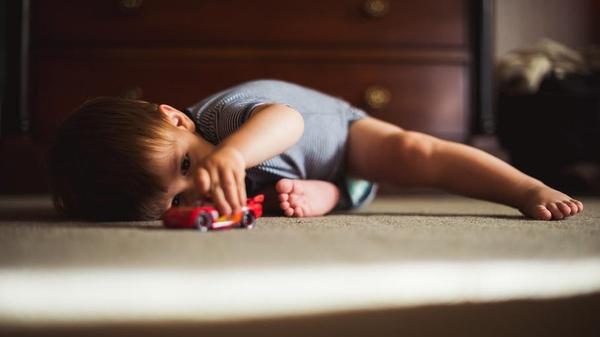
I will never forget the Saturday morning when my four-year-old came home after his first t-ball practice. When I asked him about it, he began to sing: “Mad, mad, mad. It helps to say I’m mad.” Followed by, “Sometimes you want to be alone.” Although he was grumpy as he sang, I was so proud of him ― he was able to identify his feelings and put his finger on what he needed to do. Even at the age of four, my son recognized that a bit of alone time can work like a reset button.
Why Kids Need Alone Time
“Alone time gives all children the opportunity to refocus, self-soothe, and come back to the situation regulated,” said Cindy Mrotek, a Chicago-area special education teacher and board-certified assistant behavioral analyst. “For preschoolers, it really fosters independence and teaches them how to be content whether they are playing by themselves or with others.”
Alone time can be especially important when kids are feeling overwhelmed. Between ages four and six, children are developing their independence, forming friendships, and learning the rules to more difficult games (like t-ball). Talk about sensory overload! During this time, studies also indicate that children are still developing behavioral self-regulation skills ― including knowing when to give themselves alone time or really just a quiet break.
To learn to voluntarily take breaks, preschoolers need to first recognize when they’re getting upset or starting to lose focus. As parents, we can help them identify their feelings and show them different ways to cope. In my four-year-old’s case, the odds for an emotional meltdown were against us: new game, new team, new friends, new rules, not to mention a 90°F day in June. As adults, we know that environment can play a big role in a preschooler’s ability to self-regulate, and we can help them recognize these signs.
How Parents Can Teach Preschoolers to Give Themselves Alone Time
- Validate your child’s experience. You might try saying something like, “I’m sure that it was really hard to hit the ball. It’s so hot today, I’d be so tired, too.” Acknowledge that it was hard and acknowledge their feelings.
- Offer tools — like the strategy songs from Daniel Tiger's Neighborhood — to help your child recognize their feelings. When the pretend play with friends gets too rough for Daniel Tiger, he steps out of the situation and refuels with some alone playtime before jumping back in with his friends. This coping strategy to step out of a situation, breathe deep, refuel, and gain a healthy perspective before going back in is one of the best life lessons we can teach our kids.
- Give your child choices for how to spend alone time. We know self-directed play, or alone playtime, is crucial to children’s exploration of the world and understanding of their preferences and interests. We also know preschoolers are notoriously indecisive, so I like to limit choices to two or three things max:
“How about you take a break and look at some books.”
"Do you want to work with play dough?" According to the National Association for the Education of Young Children, play dough lets children use their imaginations and strengthen the small muscles in their fingers — the same muscles they will one day use to hold a pencil and write.
- Model the behavior you want your child to follow. Everyone needs alone time every now and then — even parents! (And that isn't always easy). What has helped me is knowing that when I do engage in this type of self-care, I am building on the lessons my children are getting from shows like Daniel Tiger. I want my children to grow up knowing how to take care of themselves so they can take care of others and regulate their emotions. What parent wouldn't? So, start normalizing this coping strategy in your own family, too.
Remember: The development of self-regulation, which includes coping strategies like alone time, is widely recognized as an early marker for later life successes.
When I look back on that June day, I remember asking if my son wanted to take a nap or have a snack. He chose the latter (and his milk cup). Alone time in the kitchen eating his snack was all it took for him to start asking when his next practice would be and if he could have a playdate with one the boys on the team. As kindergarten approaches, I know his ability to identify his feelings and ask for a break is a great marker for his school readiness.
 Author: