
Supporting Independent Kids With Practical Self-Management Strategies



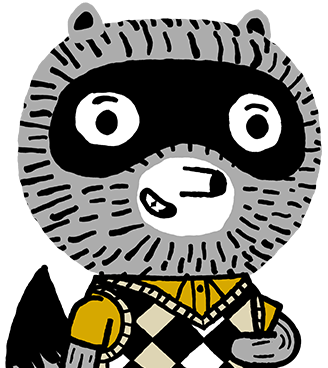
Children are learning and building social and emotional skills — including self-management — during the preschool years. In “Carl the Collector,” Carl and his friends understand and manage their own behaviors and emotions. Here’s how to help your child become more independent, just like Carl!
How Can You Help?
Every child can build and practice self-management skills at home, in school, or in an early learning program. Some neurodivergent children, including those with autism and ADHD, may need extra support when it comes to managing their emotions. You can help your child build self-management skills by giving them extra support as they learn and practice how to name and move through their emotions. Here are a few simple tips to get started!
Following a Routine
Sudden changes throughout the day can be upsetting for some kids. Help your child feel more prepared for the day by sticking to a routine. Try having your child draw a picture schedule for the day, answering the question, “What happens next?” between activities. To help transition between activities, you can use a timer or countdown, a fun transition song, or even a watch, like Carl’s. These strategies can help lower anxiety and stress for your child and for you!
Name Your Needs
Children can learn how to name their feelings and ask for help. You can help your child by introducing and talking out loud about simple emotions like happy, sad, angry, confused, anxious, or scared. When Carl feels upset, his mother reminds him to take a breath or take a break. These strategies help your child to notice how they feel.
You can model self-management for your child by how and when you respond to your emotional needs. For example, you could say, “I’m feeling a little overwhelmed, so I’m going to take a brain break.” Encourage your child to ask for help by practicing simple phrases like, “I feel frustrated, and I don’t know what to do.”
Sharing Social Stories and Role-Playing
For children with autism, knowing what to expect in new situations or places can be really helpful. In the episode “The Fall,” Carl isn’t sure what to do when his friend gets hurt. Carl’s mom helps him understand what to do in this new situation by practicing what to say to his friend. Helping Carl create a script to follow helps him keep his thoughts organized. You can do the same for your child. Social stories—simple stories that explain what might happen or how to act in different situations—can be a great tool. If you’re going somewhere new, show pictures of the place ahead of time to help them prepare. You can even act out situations like going to the dentist, starting a new school, or just dealing with something new or unexpected, just like Carl.
Take Sensory Breaks
Some kids are sensitive to loud noises, bright lights, strong smells, certain tastes,or how things feel. For example, one child might feel overwhelmed by big sounds and need headphones to help tune it out. Another child might be drawn to loud noises or have trouble noticing quieter sounds, like someone saying their name. Sensory breaks during the day can help children get regulated and stay focused throughout the day.
Sensory breaks are periods of time that allow children to calm down or stimulate their senses. Knowing what activities and environments help your child and planning for these is helpful, especially if you are out in the community. For example, if your family is going to an activity with music, call ahead or look for a quiet place for a sensory break before your child is overwhelmed.
Practice Patience
Through their adventures, Carl and his friends learn that following rules and practicing patience are important self-management skills. Try using a visual timer, like the one on your phone, to help your child practice patience. Say, “We’re going to have a snack, but first we have to wait for five minutes. Let’s use the timer to help us wait.” For younger children, begin with one or two minutes. Then, engage them in an activity such as reading a book to shift their focus from the timer. Over time, you can slowly increase the amount of time as they build patience. Don’t forget to celebrate your child for working on their time-management skills!
Take a Belly Breath
One way Carl helps manage his emotions and reduce stress is by taking a big belly breath. Show your child how to do this by breathing deeply through your nose and watching the air fill your belly. Then hold your breath for a couple of seconds and breathe out slowly through your mouth. Blow through a straw to show how to take deep breaths, or place a toy on your child’s belly so they can watch it rise and fall. Practice deep breathing throughout the day when your child is calm so it will be easier for your child to turn to when something stressful happens.
Celebrate the Wins
Providing praise or other rewards can encourage your child to work on managing their emotions and actions. You might offer a compliment, let them choose a fun activity, or use a progress chart to track their efforts. These simple steps can help your child stay motivated to continue trying new skills.
With time and encouragement, you can help your child manage their behaviors and emotions in the moment. These self-management skills will help them grow and thrive, especially as they face new challenges.
 Author:
Explore Fuzzytown with Carl, an autistic raccoon, as he navigates friendships and big feelings.