
Thanksgiving: Practicing Gratitude and Honoring the Real Story


A few years ago, I asked my first grade students what they knew about Thanksgiving. Not the holiday we celebrate every year, but how it began. I wanted to know if they knew the story of the first Thanksgiving. My class of six- and seven-year-olds knew very little. There were mentions of Pilgrims and Native Americans and a feast. But not a lot that covered real facts. There was also a lot of wrong information: references to Vikings, World War II, and Sacagawea.
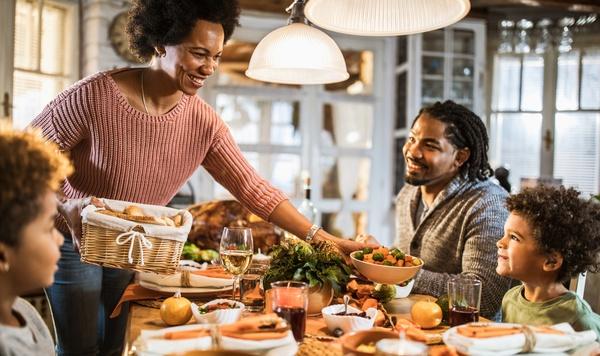
It’s not surprising that young children wouldn’t have the full picture. They are still learning about the world. But what struck me was how important Thanksgiving was to the young kids I taught. Special traditions, family gatherings, and big meals are staples of the holiday. Students often speak fondly (and at length) about how special the holiday is. Kids love the food, festivities, and time at home with loved ones. Many families also have traditions of volunteering and giving back to the community.
But there’s something missing. These celebrations often leave out important details about the history we’re actually celebrating. There is so much we can teach children about the real origins of Thanksgiving. We can share these without losing our family traditions. In fact, honoring the true story can improve our celebrations. When sharing more about history, we help our children learn better and help them see how much there is to be thankful for. By doing this, we honor the people who have suffered from a very difficult period of American History.
Here are a few things to consider this Thanksgiving season:
Learn the real story. The feast that Pilgrims and the Wampanoag enjoyed together did happen. But, it was also during a time of suffering, death, and cruelty. Thanksgiving gives us the chance to show that Native Americans were here for many years before Europeans arrived. Native Americans have many different cultures. Children can learn that the first feast included turkey and cranberries. They also probably ate eel, lobster, and deer. No pies or potatoes, though!
Discuss whose story is being told. The version you will likely see in kids' Thanksgiving books probably includes turkeys, gratitude, and Pilgrims. Those that do mention Native Americans often do so in a stereotyped way. Talk about this with your kids. Ask: Whose story is being told here? Can we find out more? This is a great chance to start asking questions about who's missing from our stories.
Consider the current context. Some Native Americans enjoy the American Thanksgiving traditions. For others, this is a very tough time of year. For many Native Americans today, Thanksgiving is a time of sadness. It’s a reminder of what they and their families have lost and endured. It is not a celebration of gratitude for them. There are many different histories of our country. Teaching them that there can be more than one version is important.
Practice giving thanks. For so many of us, Thanksgiving is a time to focus on gratitude. After all, giving thanks is in the name of the holiday. When you give thanks, think about expressing gratitude for the land you live on. Also give thanks for the farming methods that gave you your food, and the family members who are not here anymore.
Give back. Many families already have traditions of giving around Thanksgiving and the holidays in general. Giving can be financial. But, it doesn’t have to be strictly so. You can also donate time, used goods, and food to groups that serve the needy. This is also a time to think about giving. You can donate to Native American organizations that support teaching, caring for older people, veterans, and other services that need support.
Extend the lessons. Consider practicing gratitude as a more regular routine. You can ask “Who are you grateful for?” every night before bed or at the dinner table. Encouraging thankfulness helps kids think about all the people who help them every day. It helps them relate to them more. Also, we diminish our history when we only talk about certain stories once a year. Native American traditions can and should be taught and recognized during other times too. You can share books, movies, and activities about them. Your family can get to know Alaska Native traditions by watching Molly of Denali or by reading “Talking With Children About Grandpa’s Drum.” This article discusses the real experiences of Alaska Native peoples.
There is so much value in celebrating family time together. Practicing rituals and traditions brings us closer together. But celebrating while not recognizing the complicated history works against the holiday itself. Gaining a better understanding of a story, including the hard parts is important. They can find even more to be grateful for (and mindful of) as they learn to be critical thinkers.
 Author: