
When Your Child’s Favorite Media Goes Away


“It’s the end of an era.” The disappointment of something ending is tough to experience. Just the other day I saw an online video of a celebrity who had just watched the last episode of her favorite TV series. The tears poured down her face as she thought about not seeing her TV “friends” again.
Now, before we go thinking that it’s silly to cry over the loss of a TV series, there’s actually scientific research about the attachment that people develop with media characters. The relationships we form with these media friends are called “parasocial relationships,” and we experience many of the same emotions with them as we do with our friends in real life. So, the more time we spend with our media friends, the greater the feelings of disappointment we’ll feel when they inevitably go away. It’s a real thing for adults and for children.
If we, as adults, can have trouble dealing with the disappointment of media friends leaving us (think the last season of "Friends,” “Seinfeld,” or even the season finale of your favorite current show), imagine how our kids feel when one of their media companions goes away. For example, the pbskids.org game, Kart Kingdom, and the PBS KIDS series, Caillou, were both recently retired.
When media like this go away, it’s easy to simply expect our little ones to “get over it” and move on to something else. But sometimes, kids need our help doing that. Here are a few ideas to help our kids deal with the disappointment of their favorite media going away:
Listen and empathize
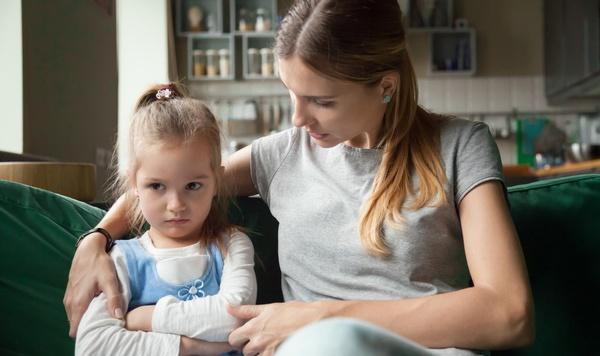
Just as we can’t just immediately get over a disappointment, neither can our kids. For starters, we can listen simply for the sake of listening. We can also empathize with them by letting them know that it’s okay to feel disappointed. Our kids should never feel ashamed for having emotions, so a good first step is to let them know that the way they’re feeling is normal and okay.
Look for the good in the situation
When Daniel Tiger’s birthday cake gets smushed, his father helps him see that the cake still tastes good. Like Daniel’s father, I believe that there is always a silver lining, and we can help our kids see it. When their favorite media goes away, we can help our kids think about what they learned from the media, explain that they’re growing up and they have an opportunity now to find a new game to play or show to watch, or have them draw a picture of their character to hang on the wall. We can also help them see that when one media friend goes away, it’s an opportunity to make another friend.
Empower their future media choices
I’ve noticed that our elementary school-aged daughter pushes back when we suggest what TV show for her to watch — she wants to consider her options and make the choice herself. When children need new media to replace retiring media, we can guide them to healthy options and then let them make the choice, even if it’s not the first choice we would have made for them. Such empowerment can go a long way toward helping our kids regain a sense of control over their media learning time.
While the end of a TV show or online game may not seem like a big deal to us, it can be a huge deal for kids. As kids’ playtime and social interactions often involve media, it makes sense to meet kids where they are by helping them through these seemingly small disappointments. By learning how to deal with small media disappointments now, we can help set them up to deal with future setbacks in healthy, productive ways.
 Author: