-

 The Abolitionists |
Clip
The Abolitionists |
Clip
In October 1835, William Lloyd Garrison was attacked by an anti-abolitionist mob in Boston.
1 MIN 59 SEC
-
 The Abolitionists |
Clip
The Abolitionists |
Clip
The Anti-Slavery Society's great postal campaign of 1835 flooded the South with abolitionist literature — and created a backlash.
1 MIN 58 SEC
-
 The Abolitionists |
Clip
The Abolitionists |
Clip
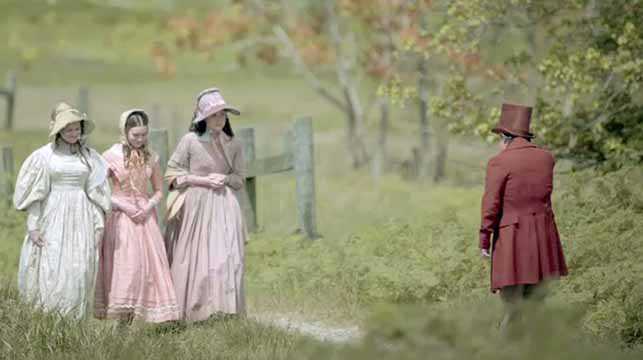
On a trip to Kentucky in 1833, Harriet Beecher Stowe witnessed slavery up close.
2 MIN 21 SEC
-
 The Abolitionists |
Clip
The Abolitionists |
Clip
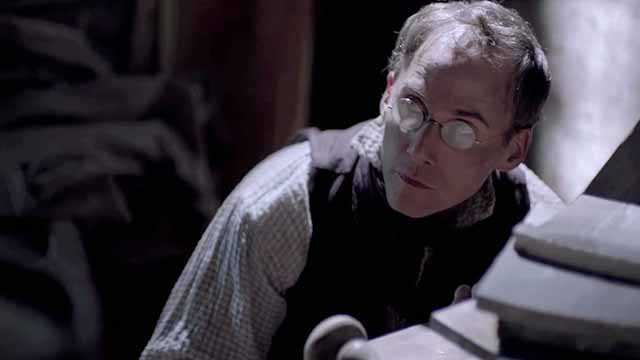
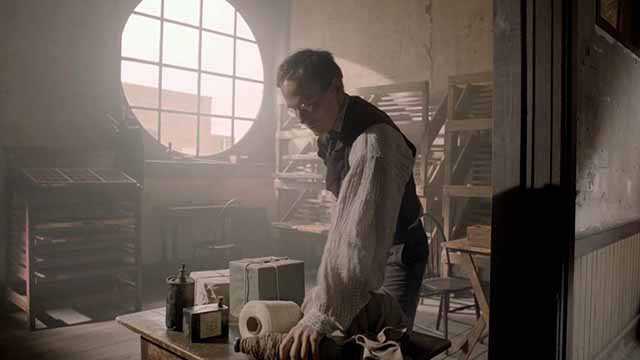
William Lloyd Garrison published the first issue of his abolitionist newspaper on January 1, 1831.
2 MIN 59 SEC
-
 The Abolitionists |
Clip
The Abolitionists |
Clip
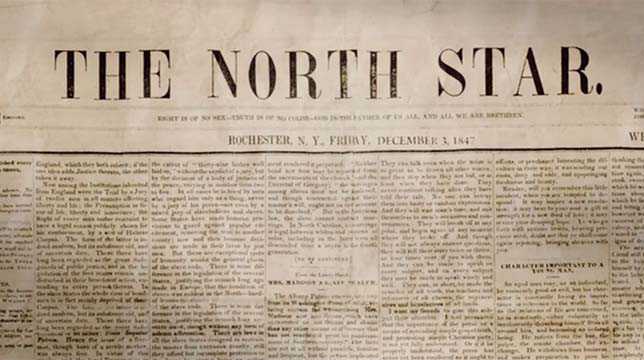
Frederick Douglass named his abolitionist newspaper The North Star after the icon followed by escaped slaves on their journeys to freedom.
2 MIN 24 SEC
-
 The Abolitionists |
Clip
The Abolitionists |
Clip
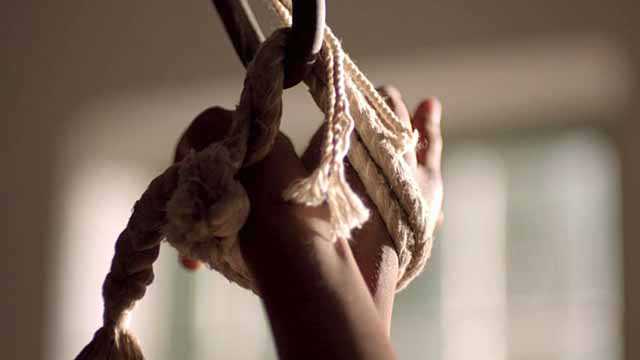
Douglass's first experience of slavery — watching his aunt being brutally beaten — would haunt him to his grave.
-
 The Abolitionists |
Clip
The Abolitionists |
Clip
At 22, William Lloyd Garrison knew that the abolition of slavery was the cause that would give meaning to his life.
2 MIN 07 SEC
-
 The Abolitionists |
Clip
The Abolitionists |
Clip
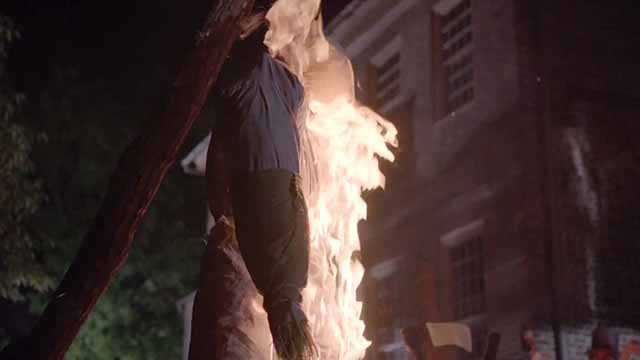
On July 4, 1854 in Massachusetts, abolitionist William Lloyd Garrison burned a copy of the constitution.
1 MIN 40 SEC
-
 The Abolitionists |
Clip
The Abolitionists |
Clip
After four decades and 1,803 issues, William Lloyd Garrison closed his abolitionist newspaper.
1 MIN 17 SEC
-
 The Abolitionists |
Clip
The Abolitionists |
Clip
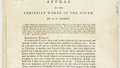
After reading reports of pro-slavery violence, Angelina Grimke decided she could not remain silent.
2 MIN 59 SEC
-
 The Abolitionists |
Clip
The Abolitionists |
Clip
In 1829, abolitionist Angelina Grimke left Charleston for an uncertain future in the North.
-
 The Abolitionists |
Clip
The Abolitionists |
Clip
The daughter of one of South Carolina's first families, Angelina Grimke believed slavery was a sin.
2 MIN 59 SEC