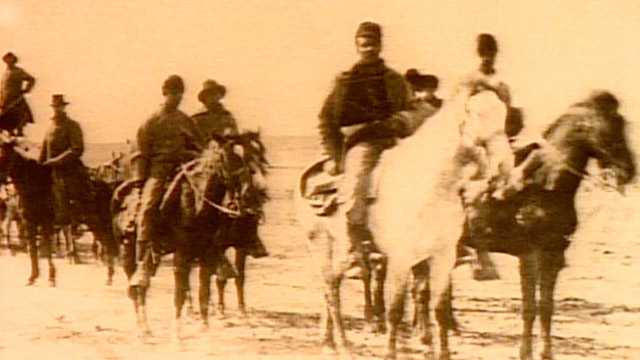
Co-founder and board chair of the Black Veterans Project Richard Brookshire, and deputy director of the VA Center for Women Veterans Elizabeth Estabrooks speak with historian Adriane Lentz-Smith about the experiences of Black, Indigenous, People of Color and Women Veterans returning home from service.
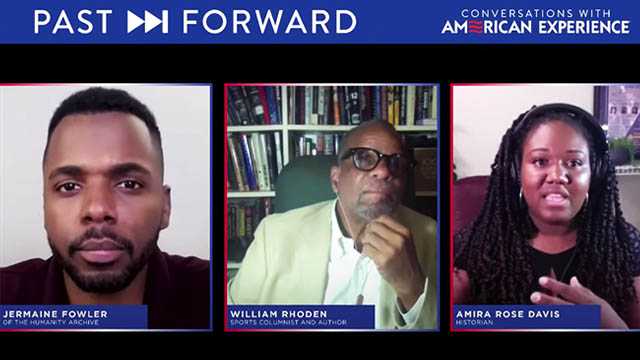
Historian Amira Rose Davis and sports columnist William C. Rhoden speak with creator and host of The Humanity Archive Jermaine Fowler about the intersection of sports and politics in the Olympics.
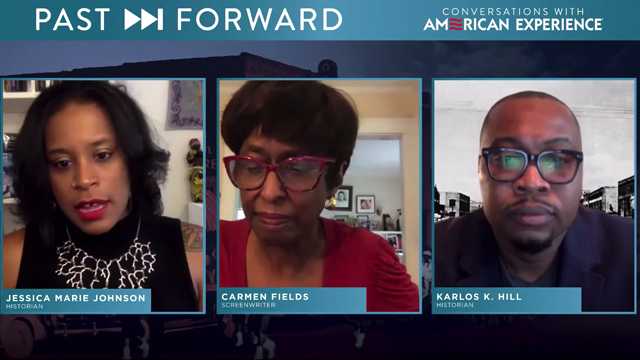
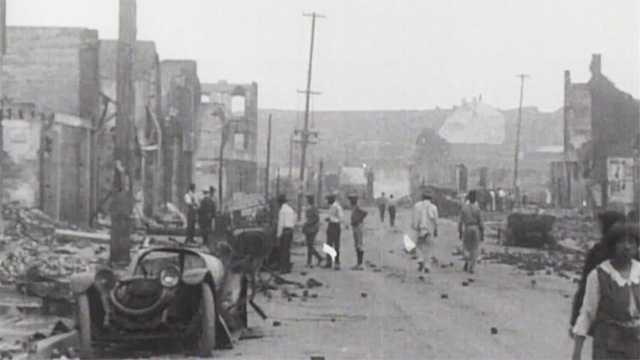
Screenwriter Carmen Fields and historian Karlos K. Hill speak with historian Jessica Marie Johnson about the centennial of the Tulsa Massacre and the story of Greenwood’s resilience and resurgence.
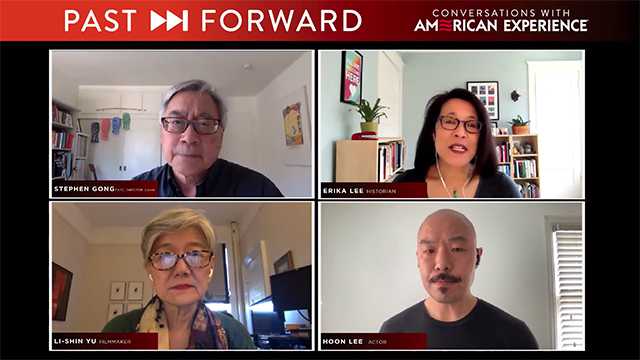
Historian Erica Lee, actor Hoon Lee, and filmmaker Li-Shin Yu speak with executive director of the Center for Asian American Media Stephen Gong about America’s history of discrimination against Asian Americans, and ways that the AAPI community, their allies, and elected officials can work to put an end to racial violence and discrimination.
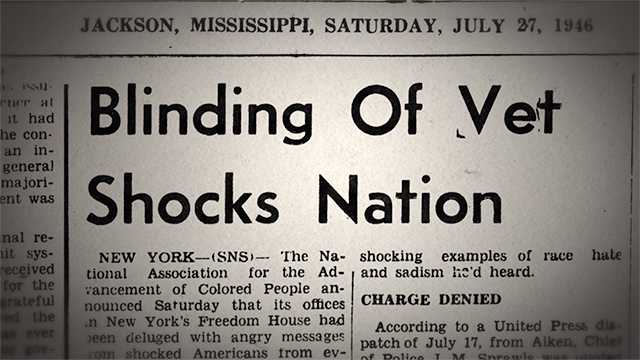
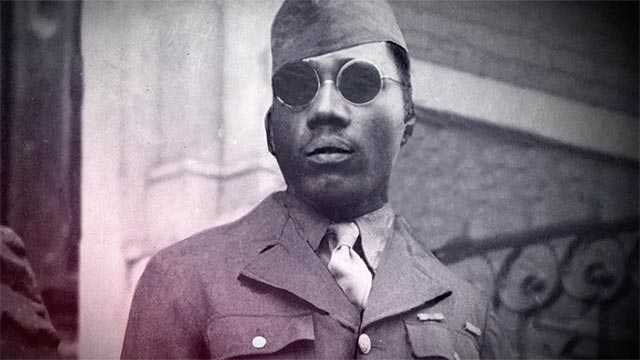
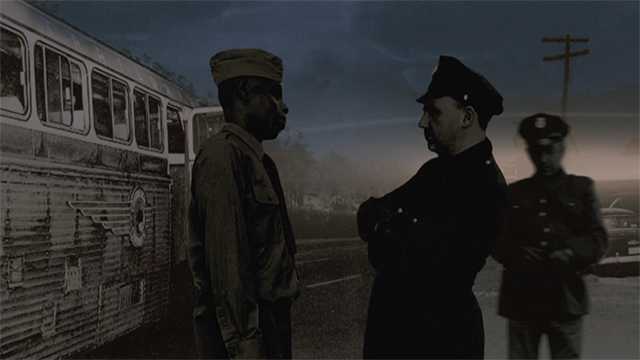
In 1946, Isaac Woodard, a Black army sergeant on his way home to South Carolina after serving in WWII, was pulled from a bus for arguing with the driver. The local chief of police savagely beat him, leaving him unconscious and permanently blind.
In 1946, Isaac Woodard, a Black army sergeant on his way home to South Carolina after serving in WWII, was pulled from a bus for arguing with the driver. The local chief of police savagely beat him, leaving him unconscious and permanently blind.
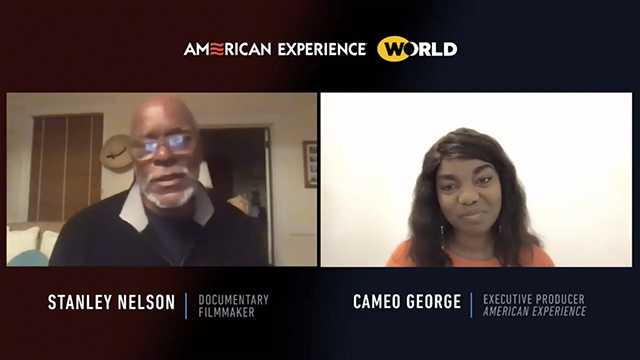
Filmmaker Stanley Nelson and American Experience Executive Producer Cameo George discuss three of Nelson's Civil Rights films, how these stories shaped and advanced the ongoing civil rights movement, and how public media can help elevate filmmakers of color in telling diverse stories.
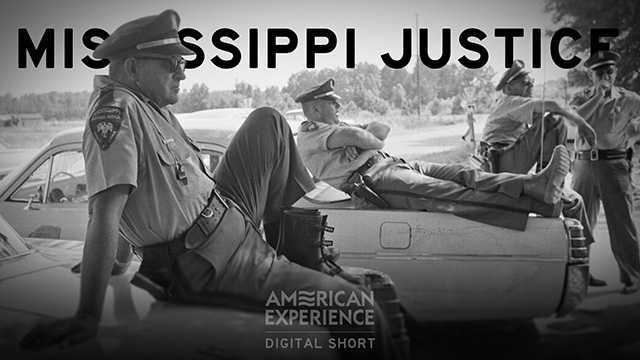
A new telling of the story of the 1964 murders of three civil rights workers in Neshoba County, Mississippi—carried out by the Klan and enabled by police collusion and a Mississippi state spy agency.