‘Incredibly Transactional’: How Agencies & Brokers Lure Pregnant Women Across State Lines for ‘Adoption Tourism’
If you’re pregnant in the U.S. and search for help online, what paid ads are you likely to see? According to one nonprofit’s analysis, you might be served an “overwhelming amount” of ads from one state whose history of lax laws has made it an "adoption tourism" epicenter.
June 23, 2026
Share
In partnership with:

If you’re pregnant in the U.S. and search for help online, what paid ads are you likely to see?
According to one nonprofit’s analysis, you might be served an “overwhelming amount” of ads from adoption agencies in Utah.
The state’s history of lax adoption regulations has made it an epicenter of a practice that’s been described as “adoption tourism,” in which pregnant women are lured far from their home states — sometimes by unlicensed, so-called “baby brokers” — to give birth. The promise on the other end: Fast money for the pregnant women, and fast adoptions for hopeful parents, who are often drawn from out of state as well.
As the above video drawn from the new FRONTLINE and Retro Report documentary Baby Brokers explores, much of this lucrative business begins online — with paid ads offering expectant mothers free housing and money for bills, food and more if they use the advertised services to place their baby for adoption.
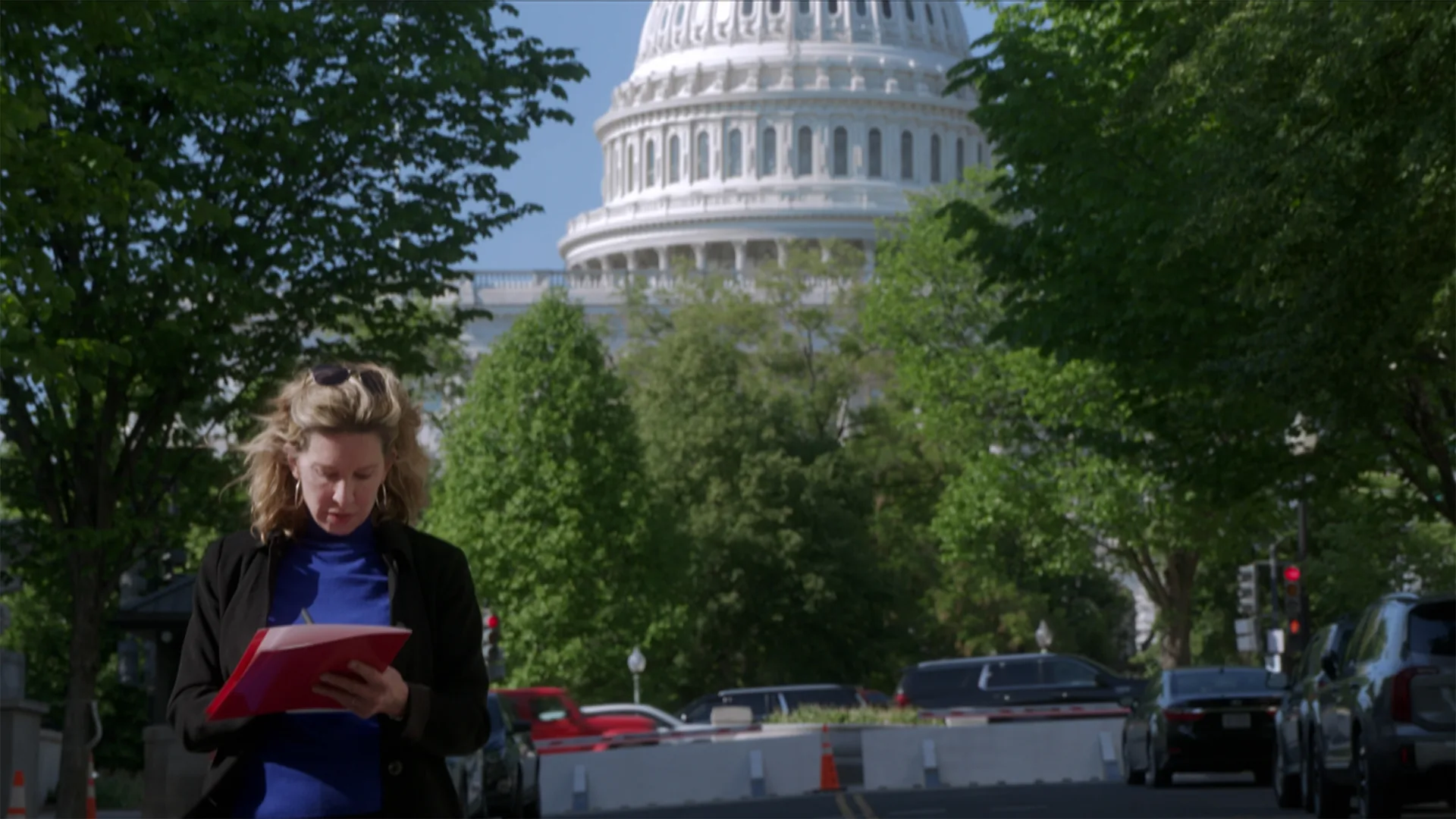
“A lot of times these women are coming from unstable housing situations, you know — financial instability, pretty deep poverty,” says Kelsey Vander Vliet Ranyard, who works for a nonprofit called Ethical Family Building that tracks agencies and brokers that solicit pregnant women around the country.
“They could live down the street from an adoption agency that’s licensed in their state and can provide social services to them,” Vander Vliet Ranyard adds. “But that agency is pretty unlikely to actually appear in the ads because an overwhelming amount of those ads, those paid ads, are coming from Utah adoption agencies.”
Sometimes, Vander Vliet Ranyard tells correspondent and author Gabrielle Glaser, the ads are not directly from the agencies themselves, but from unlicensed brokers working on their behalf.
“Typically, adoption would be finding families for children who need them,” says Vander Vliet Ranyard, who had placed one of her own children for adoption. “But what private domestic infant adoption has really become is finding children for families who want them, and because that’s been the focus, it’s become incredibly transactional.”
As Baby Brokers reports, the adoption industry in the U.S. has become a multi-billion-dollar business, with demand far outpacing the number of infants available for adoption. Many states now have strict laws that govern adoptions, but other corners of the industry are more loosely regulated. Baby Brokers draws on dozens of interviews with birth mothers, adoptive parents, adoptees, agency owners, and government and law enforcement officials, as well as thousands of pages of adoption-related documents, to explore the rise and implications of “adoption tourism” in the U.S.
The resulting documentary details how allegations of misconduct by for-profit agencies and brokers have stacked up in states like Utah with historically more permissive laws. It also explores the regulatory debate now underway at the federal level: Lawmakers from a number of states are backing a bipartisan bill aimed at reining in unlicensed brokers who funnel pregnant women and families across state lines for adoptions.
“Any time we see inconsistent state laws that are really operating to the detriment of families, and this is exactly such a case, it’s an opportunity for us to look at whether there’s a role for federal law,” says Rep. Laurel Lee (R-FL), a co-sponsor of the bill. “And so while certainly we respect that adoptions fundamentally belong with states, where we see that there are some baseline standards that just aren’t being met, it’s a perfect opportunity for us to step in.”
The head of an adoption agency in Utah tells FRONTLINE and Retro Report that out-of-state adoptions fulfill an important need.
“This population of women are oftentimes extremely vulnerable,” Donna Pope says in the documentary. “If they need to get up and move, let them get up and move. If they need additional help from someone else that’s not their neighbor, get them additional help from someone else that’s not their neighbor. Empower them to get the services they need, wherever that might be.”
But others the reporting team spoke with expressed concern about cash and housing offers being used as incentives for vulnerable women in other states.
“I think when women come from out of state, they don’t always know what their rights are, and could maybe potentially feel like, ‘Well, they’ve paid for my medical expenses, they’ve paid for my housing. I’m going to have to pay that back if I don’t place.’ And that can feel coercive,” says Tara Romney Barber, program director for a child welfare organization in Utah that provides family services, including a small number of adoptions.
In recent months, Baby Brokers reports, Utah has moved to tighten some of its laws in response to mounting criticisms from birth mothers, their advocates, and adoptive parents uncomfortable with the incentives being offered to pregnant women considering placing infants for adoption.
“I don’t know a single adoptive parent who wants to buy a baby,” one adoptive mother says in the documentary. “I would never want my children to feel like they were bought and sold.”
For the full story, watch Baby Brokers starting June 23, 2026 at 7/6c on PBS stations (check local listings) and the PBS App, or at 10/9c at pbs.org/frontline and on FRONTLINE’s YouTube channel. Baby Brokers is a FRONTLINE production with Retro Report. The correspondent and writer is Gabrielle Glaser. The director, writer and producer is Sarah Weiser. The senior producer is Frank Koughan. The VP of Content Development of Retro Report is Bonnie Bertram. The executive producer of Retro Report is Kyra Darnton. The managing editor of FRONTLINE is Andrew Metz. The editor-in-chief and executive producer of FRONTLINE is Raney Aronson-Rath.
Senior Digital Writer, FRONTLINE
Support provided by:
Learn More
Related Documentaries





Latest Documentaries





Related Stories
Related Stories
Explore
Policies
Teacher Center

Jon and Jo Ann Hagler on behalf of the Jon L. Hagler Foundation
Corey David Sauer
Koo and Patricia Yuen
FRONTLINE is a registered trademark of WGBH Educational Foundation. Web Site Copyright ©1995-2025 WGBH Educational Foundation. PBS is a 501(c)(3) not-for-profit organization.
Funding for FRONTLINE is provided through the support of PBS viewers and by the Corporation for Public Broadcasting, with major support from Ford Foundation, and Fialkow Family Foundation. Additional funding is provided the Abrams Foundation, John D. and Catherine T. MacArthur Foundation, Park Foundation, Heising-Simons Foundation, and the FRONTLINE Trust, with major support from Jon and Jo Ann Hagler on behalf of the Jon L. Hagler Foundation, and Corey David Sauer, and additional support from Koo and Patricia Yuen. FRONTLINE is a registered trademark of WGBH Educational Foundation. Web Site Copyright ©1995-2026 WGBH Educational Foundation. PBS is a 501(c)(3) not-for-profit organization.