Inside the Last Country on Earth to Legalize Television
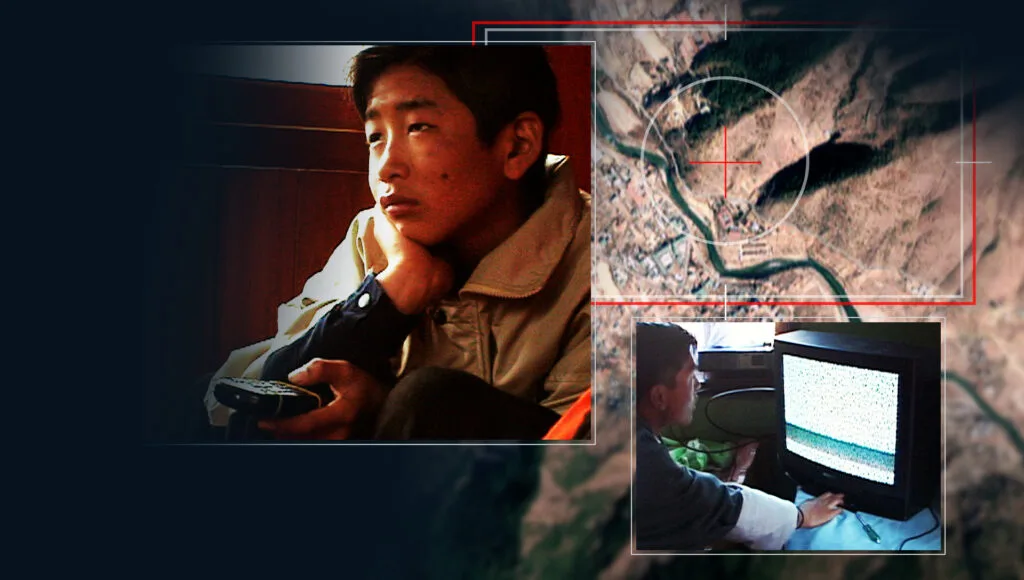
In 1999, the secluded Buddhist kingdom of Bhutan became the last country in the world to introduce television. FRONTLINE documented what happened next in a documentary that’s newly available to stream on YouTube.
July 22, 2026
Share
In 1999, Bhutan, a Buddhist kingdom that had remained isolated in the Himalayan mountains for centuries, became the last country in the world to allow TV.
Bordered by China and India and then home to some 800,000 people, the kingdom at the time had no traffic lights or fast food chains, more monks than soldiers, a required public dress code, and few connections to the outside world.
What happened when a new, globally-connected technology arrived in a traditional society that had been secluded for hundreds of years?
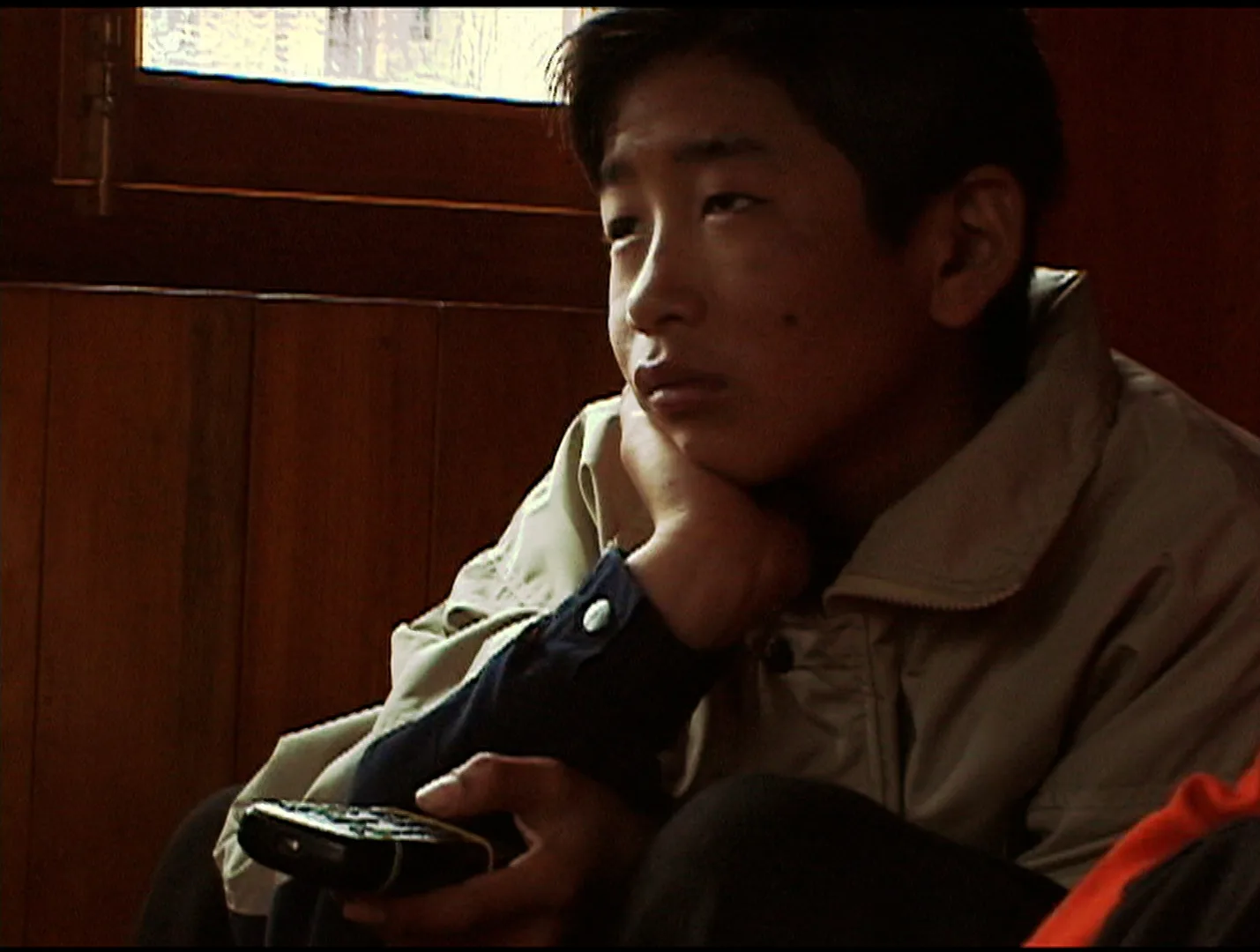
FRONTLINE documented that collision in Bhutan: The Last Place, a 2002 short documentary that’s newly available for streaming — and that explored the reality of what critics described as a “digital invasion,” and proponents saw as a promising step towards modernity.
The documentary originally aired as part of FRONTLINE/World, a special FRONTLINE series that ran from 2002-2010 and was developed in partnership with GBH in Boston and KQED in San Francisco. Bhutan: The Last Place is now streaming on FRONTLINE’s YouTube channel for the first time as part of an effort to make the series’ archive widely accessible.
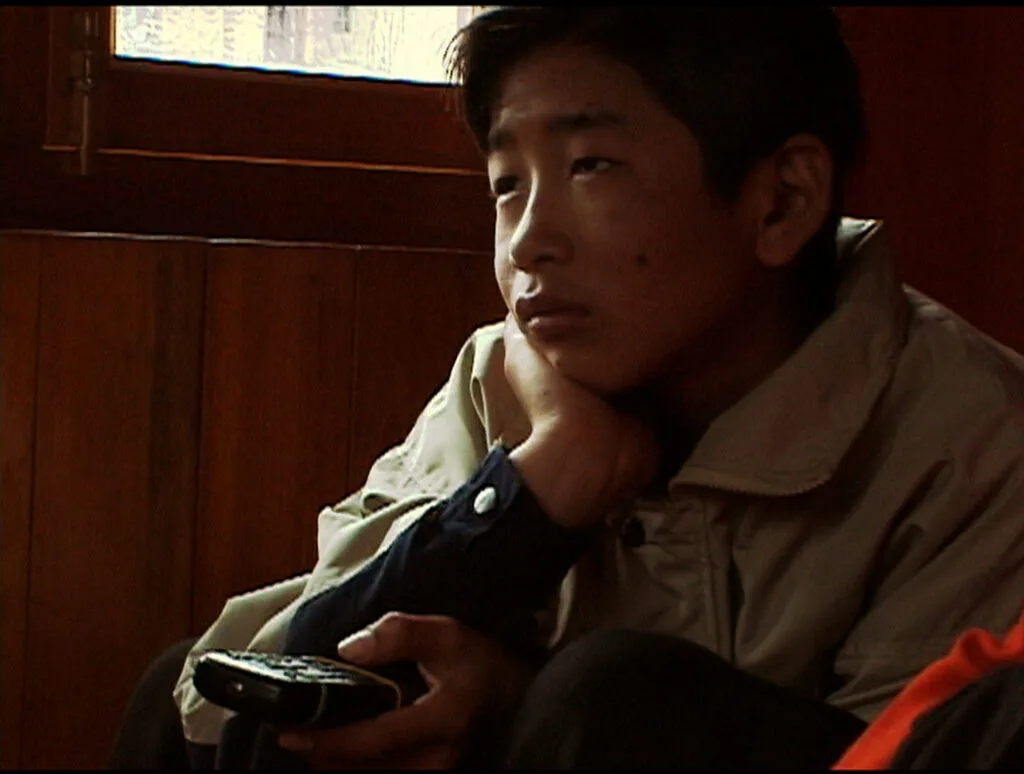
In the film, reporters Alexis Bloom and Tshewang Dendup followed Bhutan’s “cable guy,” a cable company co-owner named Rinzy Dorji, as he and his workers traveled the Switzerland-sized country hooking Bhutanese houses up to cable TV. Children watched the screens flicker to life, transfixed.
“I am very satisfied with what I am doing,” Dorji said in the documentary. “We always have to move forward.”
But others in the country feared that Bhutan’s traditional culture could be tainted by the influence of Western technology and materialism.
“We have a rich tradition, rich culture, unspoiled. People who travel to Bhutan cannot believe that there is a country still left in the world which is almost untouched,” a Bhutanese businesswoman named Dago Bida said. “And time and again, they’ve always told me, they said, ‘Don’t bring television into the country.’”
The editor of what was then Bhutan’s only newspaper told FRONTLINE that when television first came to the kingdom, letters to the editor began arriving from children “who seemed very hurt.”
“The letters actually specifically asked about this World Wrestling Federation program: ‘Why are these big men standing there hitting each other? I mean, what’s the purpose of it?’” Kinley Dorji said. “They didn’t understand it. They were very hurt.”
But within a matter of months, he said, his own kids had developed a new perspective on the wrestlers they saw on TV.
“One of my sons, 7 years old, jumped on me early in the morning on the bed and he says, ‘Hey, I am Triple H. You can be Rock, and we are fighting,’” he said. “Suddenly, these were new heroes for our children.”
By 2018, the once-closed-off kingdom had become “proportionately one of the most wired countries on earth.” The government’s efforts to strike a balance between tradition and modernity while preserving Bhutan’s unique culture are ongoing: In recent years, Bhutan’s current king announced plans for a “mindfulness city” described as offering the world a different kind of tech hub — one where “traditional Bhutanese values of spirituality and harmony with nature” are merged with “innovation, technology and economic vibrancy.”
Watch the Full Documentary | Bhutan: The Last Place
Additional FRONTLINE/World documentaries will be released on FRONTLINE’s YouTube channel throughout the summer. Subscribe now so you don’t miss an episode.
Journalism powered by your support — and accessible to all.
Watching our “Scammed” documentary revealing how the global scam industry operates? Exposing the truth is where accountability begins. Help keep reporting like this paywall-free for everyone with a gift of $5 or $10 today.

Senior Digital Writer, FRONTLINE
Support provided by:
Learn More
Related Documentaries



Latest Documentaries
Related Stories
Bhutan: The Last Place
Related Stories
Bhutan: The Last Place
Explore
Policies
Teacher Center

Jon and Jo Ann Hagler on behalf of the Jon L. Hagler Foundation
Corey David Sauer
Koo and Patricia Yuen
FRONTLINE is a registered trademark of WGBH Educational Foundation. Web Site Copyright ©1995-2025 WGBH Educational Foundation. PBS is a 501(c)(3) not-for-profit organization.
Funding for FRONTLINE is provided through the support of PBS viewers and by the Corporation for Public Broadcasting, with major support from Ford Foundation, and Fialkow Family Foundation. Additional funding is provided the Abrams Foundation, John D. and Catherine T. MacArthur Foundation, Park Foundation, Heising-Simons Foundation, and the FRONTLINE Trust, with major support from Jon and Jo Ann Hagler on behalf of the Jon L. Hagler Foundation, and Corey David Sauer, and additional support from Koo and Patricia Yuen. FRONTLINE is a registered trademark of WGBH Educational Foundation. Web Site Copyright ©1995-2026 WGBH Educational Foundation. PBS is a 501(c)(3) not-for-profit organization.