Never-Before-Seen Khashoggi Interviews Illuminate His Transformation from MBS Supporter to Critic
October 1, 2019
Share
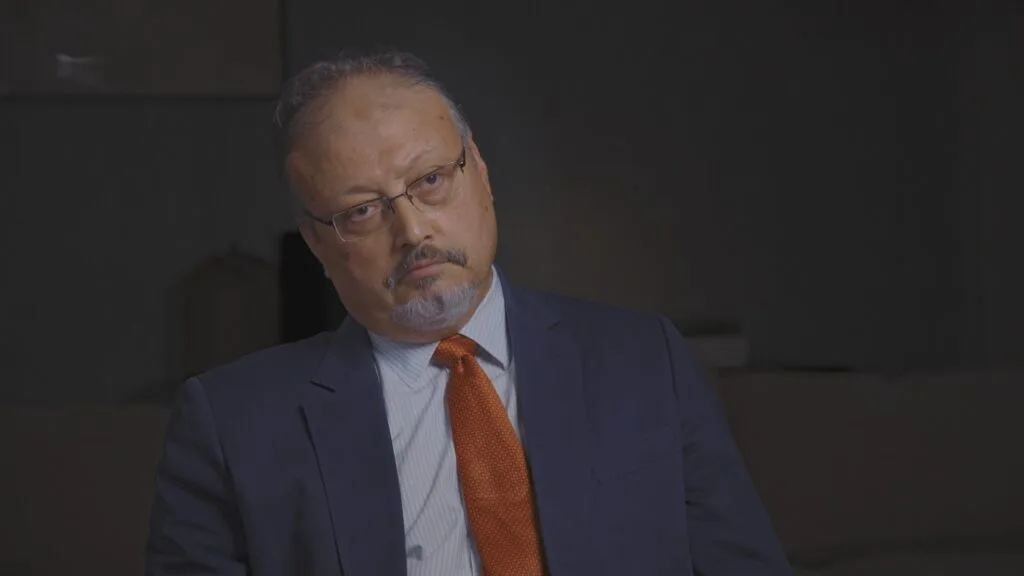
On the eve of the one-year anniversary of the death of Jamal Khashoggi, a FRONTLINE documentary featuring never-before-seen interview footage of the columnist will make its PBS debut.
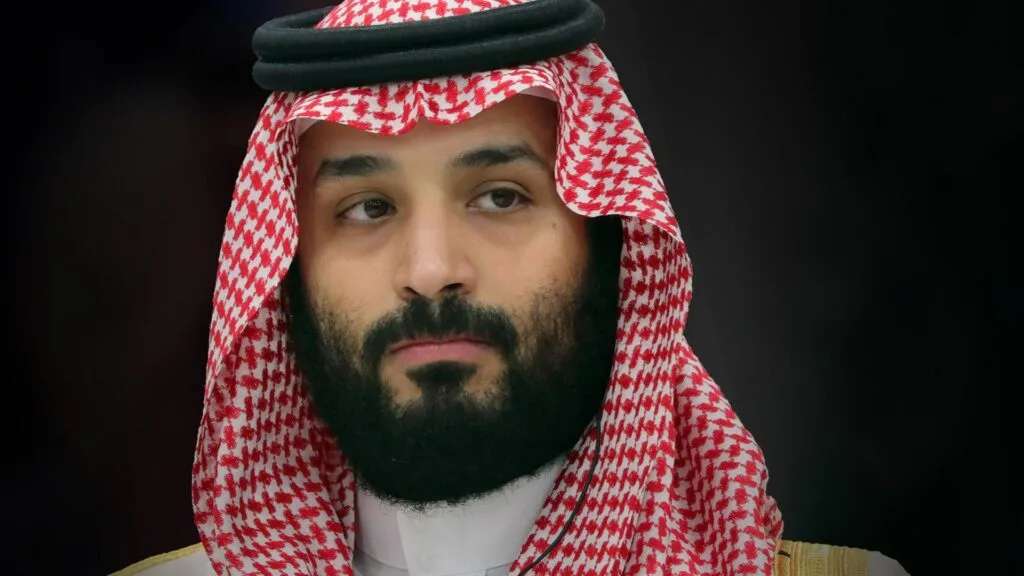
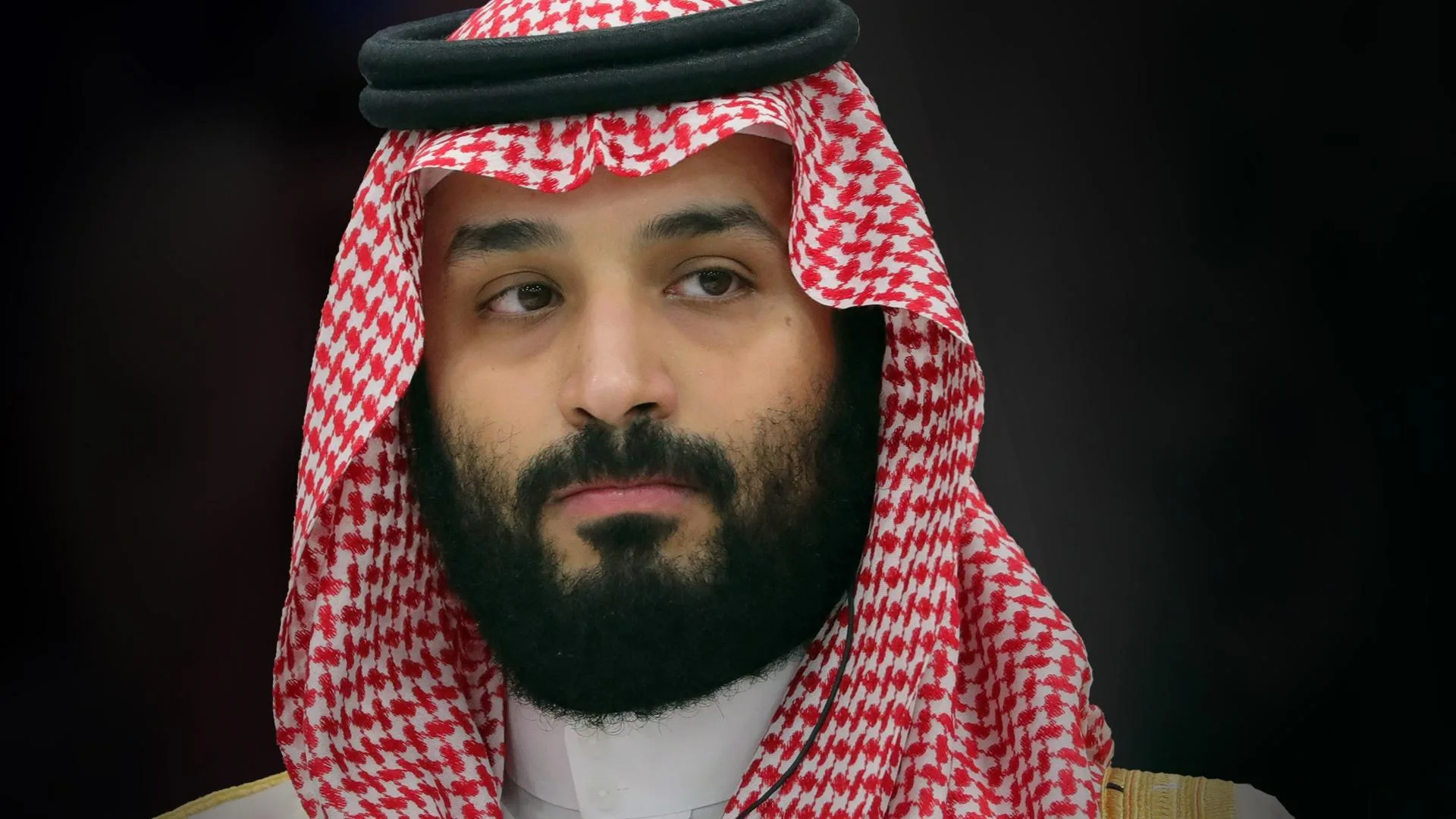
The Crown Prince of Saudi Arabia highlights how Khashoggi went from an early champion of Saudi Crown Prince Mohammed bin Salman to a victim in a murder plot that the CIA believes the crown prince ordered. (In his first comments on his role in Khashoggi’s killing, Prince Mohammed told FRONTLINE’s Martin Smith in the documentary that the murder happened “under his watch” but without his knowledge.)
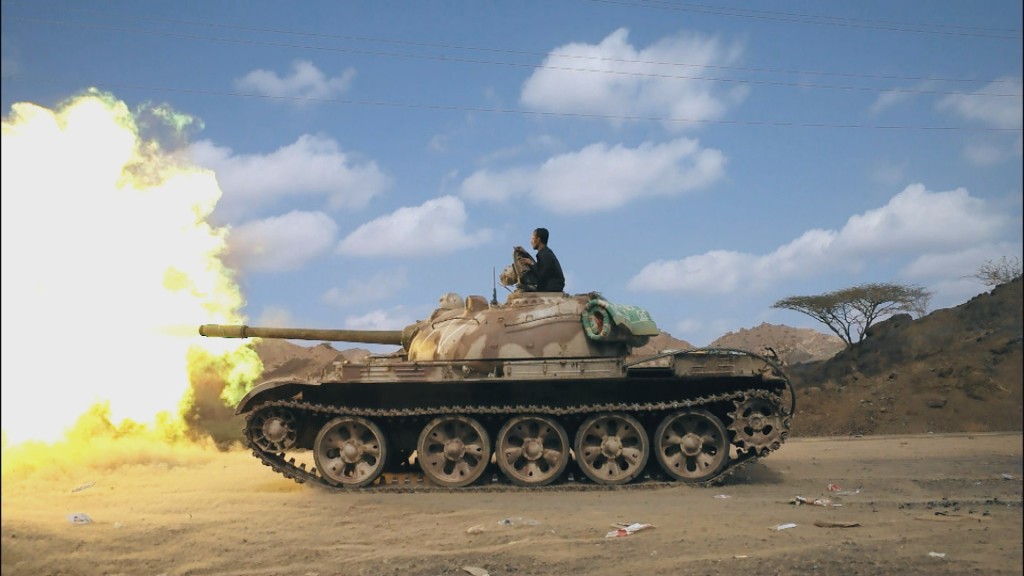
When Prince Mohammed began rising to power in 2015, Khashoggi — a writer, commentator and journalist — was for the most part a pro-government voice, having once served as a spokesman for the Saudi embassies in London and Washington, D.C. And when a newly emboldened Prince Mohammed, then minister of defense, launched an offensive in neighboring Yemen against Iran-allied Houthi rebels, Khashoggi was an ardent supporter of the military campaign that would become known as “MBS’s war.”
In fact, when FRONTLINE’s Martin Smith asked him if Saudi Arabia was committing human rights abuses in its Yemen bombing campaign, Khashoggi responded by equating Iran with World War II-era Germany.
“Look, for Saudi Arabia it is a 1939 moment,” he said.
“So you’re comparing Iran to Nazi Germany?” Smith asked.
“Yes,” Khashoggi replied. “In Saudi Arabia, we are at that moment. We either accept Iranian hegemony, control over Yemen and over our destiny, or freedom.”
At the beginning, Khashoggi seemed to have a good relationship with the royal family — Khashoggi even tweeted a photo of himself with MBS after meeting him in 2016. But things between Khashoggi and the Saudi regime would soon sour.
After urging Gulf governments at a conference to be wary of President Trump — whom King Salman and MBS were aggressively wooing — Khashoggi told friends and colleagues that Saudi authorities ordered him to no longer write, tweet or appear on TV. As the film recounts, he would become dismayed by the acts of repression he saw happening under the young leader he once supported, from a social media harassment campaign targeting himself and others, to a Sept. 2017 crackdown on even mild dissent that saw dozens of men and women rounded up and arrested.
“I don’t want to be a dissident,” he told Smith in August 2017, after he left Saudi Arabia and resettled in Washington, D.C. “But in the same time, I don’t want to go back home and be silent again.”
He wouldn’t be. The next month, he’d publish his first column in the Washington Post, which resonated across the Arab world. “Saudi Arabia wasn’t always this repressive,” the headline read. “Now it’s unbearable.”
Khashoggi’s editor, Karen Attiah, said the writer’s decision to publicly criticize MBS wasn’t an easy one.
“I think he was in some ways confused about the situation,” she told FRONTLINE. “He really supported the vision of the reforms that Mohammed bin Salman had. I mean, it was a very personal essay. You see that he was wrestling with his decision to speak out or not.”
Smith asked Attiah if she had any idea at the time that the decision to critique the kingdom could put Khashoggi in danger.
“Mortal danger? No,” she said. “Personal sacrifices? Yes, of course.”
Khashoggi would go on to publish column after column calling attention to perceived abuses of power by Prince Mohammed and the Saudi government until his murder. His remains have yet to be located.
For more on who Khashoggi was and why he was targeted, watch The Crown Prince of Saudi Arabia. The film is a powerful examination of Mohammed bin Salman’s rise, his rule, and his links to the murder that shocked the world. Tune in on PBS starting Tuesday, Oct. 1 at 9 p.m. EST/8 p.m. CST (check local listings), or stream at PBS.org/frontline, on the PBS Video App and on YouTube.
Senior Digital Writer, FRONTLINE
Support provided by:
Learn More
Related Documentaries
Latest Documentaries
Related Stories
The Crown Prince of Saudi Arabia
Related Stories
The Crown Prince of Saudi Arabia
Explore
Policies
Teacher Center

Jon and Jo Ann Hagler on behalf of the Jon L. Hagler Foundation
Corey David Sauer
Koo and Patricia Yuen
FRONTLINE is a registered trademark of WGBH Educational Foundation. Web Site Copyright ©1995-2025 WGBH Educational Foundation. PBS is a 501(c)(3) not-for-profit organization.
Funding for FRONTLINE is provided through the support of PBS viewers and by the Corporation for Public Broadcasting, with major support from Ford Foundation, and Fialkow Family Foundation. Additional funding is provided the Abrams Foundation, John D. and Catherine T. MacArthur Foundation, Park Foundation, Heising-Simons Foundation, and the FRONTLINE Trust, with major support from Jon and Jo Ann Hagler on behalf of the Jon L. Hagler Foundation, and Corey David Sauer, and additional support from Koo and Patricia Yuen. FRONTLINE is a registered trademark of WGBH Educational Foundation. Web Site Copyright ©1995-2026 WGBH Educational Foundation. PBS is a 501(c)(3) not-for-profit organization.